
The annual Sandhill Crane migration through Central Nebraska, a spectacle of nature drawing hundreds of thousands of avian visitors, has long been recognized for its significant ecological and economic impact. While the sheer numbers of cranes, often exceeding 500,000 in peak season, represent a triumph for conservation, the ripples of their ancient journey extend far beyond the Platte River’s banks, touching the lives and livelihoods of local communities in profound ways. A recent study, "The 2025 Economic Impact Study of the Spring Wildlife Migration on Central Nebraska," underscores an impressive $28 million annual economic contribution, yet for many small businesses, the true value of "crane season" is measured in something far more intangible: human connection and community spirit.
The Phenomenon of the Sandhill Crane Migration
Each spring, the Platte River Valley in Central Nebraska becomes a critical stopover point for approximately 80% of the world’s Sandhill Crane population as they undertake their arduous migration from southern wintering grounds to northern breeding territories. This awe-inspiring natural event, spanning roughly six weeks from late February to early April, sees cranes congregating in staggering numbers, feeding on waste grain in agricultural fields and roosting on the shallow, braided channels of the Platte River. Their distinctive calls, often described as a primeval rattling, fill the air, creating an immersive experience for visitors.
An Ancient Journey: The Central Flyway Spectacle
Sandhill Cranes (Antigone canadensis) are among the oldest living bird species, with fossils dating back over nine million years. Their migratory patterns are deeply ingrained, guided by instinct and the availability of crucial resources. The Central Flyway, one of North America’s major migratory routes, funnels these birds into a relatively narrow corridor along the Platte River. Here, the unique hydrology of the river—its wide, shallow, and braided characteristics—provides ideal conditions for safety from predators during nighttime roosting. The surrounding agricultural lands, primarily cornfields, offer a vital energy source for the cranes to refuel before continuing their journey north to breeding grounds in Canada, Alaska, and Siberia. This annual phenomenon is not merely a biological event but a cultural touchstone for the region.
The Platte River Valley: A Critical Stopover
The ecological significance of the Platte River Valley cannot be overstated. Over centuries, the river’s flow patterns, influenced by glacial melt and prairie rainfall, created a dynamic ecosystem essential for numerous migratory birds, including ducks, geese, and various shorebirds, in addition to the cranes. However, human development, including damming, irrigation, and groundwater pumping, has altered the river’s natural hydrology, leading to narrower, deeper channels and increased vegetation encroachment on sandbars. Conservation efforts, spearheaded by organizations like the National Audubon Society, have become paramount in restoring and maintaining the critical habitat necessary for the cranes’ survival. These efforts often involve land acquisition, habitat restoration projects, and advocating for sustainable water management practices.
Audubon’s Rowe Sanctuary: A Haven for Cranes and Conservation
At the heart of these conservation efforts is Audubon’s Rowe Sanctuary, located near Gibbon, Nebraska. Established in 1974, the sanctuary spans thousands of acres along the Platte River, actively managing habitat to ensure its suitability for the cranes. Rowe Sanctuary serves as both a research hub and a premier destination for visitors worldwide seeking to witness the migration. It offers guided tours to viewing blinds located strategically along the river, providing an intimate, unobstructed view of the cranes at sunrise and sunset. These blinds, some primitive and designed for overnight stays, offer an unparalleled opportunity for photography and quiet contemplation. The sanctuary’s role extends beyond direct habitat protection; it actively engages in public education, raising awareness about the importance of wetlands, river ecosystems, and the broader challenges of migratory bird conservation. This blend of conservation and visitor experience forms the bedrock of nature-based tourism in Central Nebraska.
Gibbon, Nebraska: A Community Embracing Nature-Based Tourism
The town of Gibbon, Nebraska, established in 1871 as a railroad town, embodies the spirit of resilience and community that defines many rural American towns. Nicknamed the "Smile City" for its residents’ positive, helpful, and friendly nature, Gibbon has been strategically positioning itself to capitalize on its proximity to the Sandhill Crane migration. Its efforts in economic growth and downtown revitalization have increasingly focused on nature-based tourism, recognizing the symbiotic relationship between a healthy ecosystem and a vibrant local economy.
From Railroad Town to "Smile City"
Gibbon’s history is deeply intertwined with the development of the American West. Founded by the Union Pacific Railroad, it served as a vital hub for transportation and agriculture. Over the decades, like many small towns, Gibbon faced the challenges of maintaining economic vitality in a changing landscape. However, rather than simply preserving its past, the community has actively sought avenues for future growth. The "Smile City" moniker reflects a deliberate cultivation of a welcoming atmosphere, crucial for attracting and retaining visitors. This community ethos provides a warm backdrop for tourists, many of whom travel vast distances to experience the crane migration.
Strategic Investments in Eco-Tourism
In recent years, Gibbon city leadership and local entrepreneurs have recognized the untapped potential of the Sandhill Crane migration. By investing in downtown revitalization projects and promoting local businesses, they aim to transform the town into a primary gateway for crane enthusiasts. This strategic shift involves improving infrastructure, enhancing visitor amenities, and fostering a collaborative environment where local businesses can thrive by serving the influx of tourists. The town’s proximity—less than eight miles—to Audubon’s Rowe Sanctuary makes it an ideal base for visitors, offering lodging, dining, and essential services that complement the sanctuary’s viewing experiences. This integrated approach ensures that the economic benefits of the migration are widely distributed throughout the community.
Rise and Grind: A Local Hub in the Heart of Crane Season
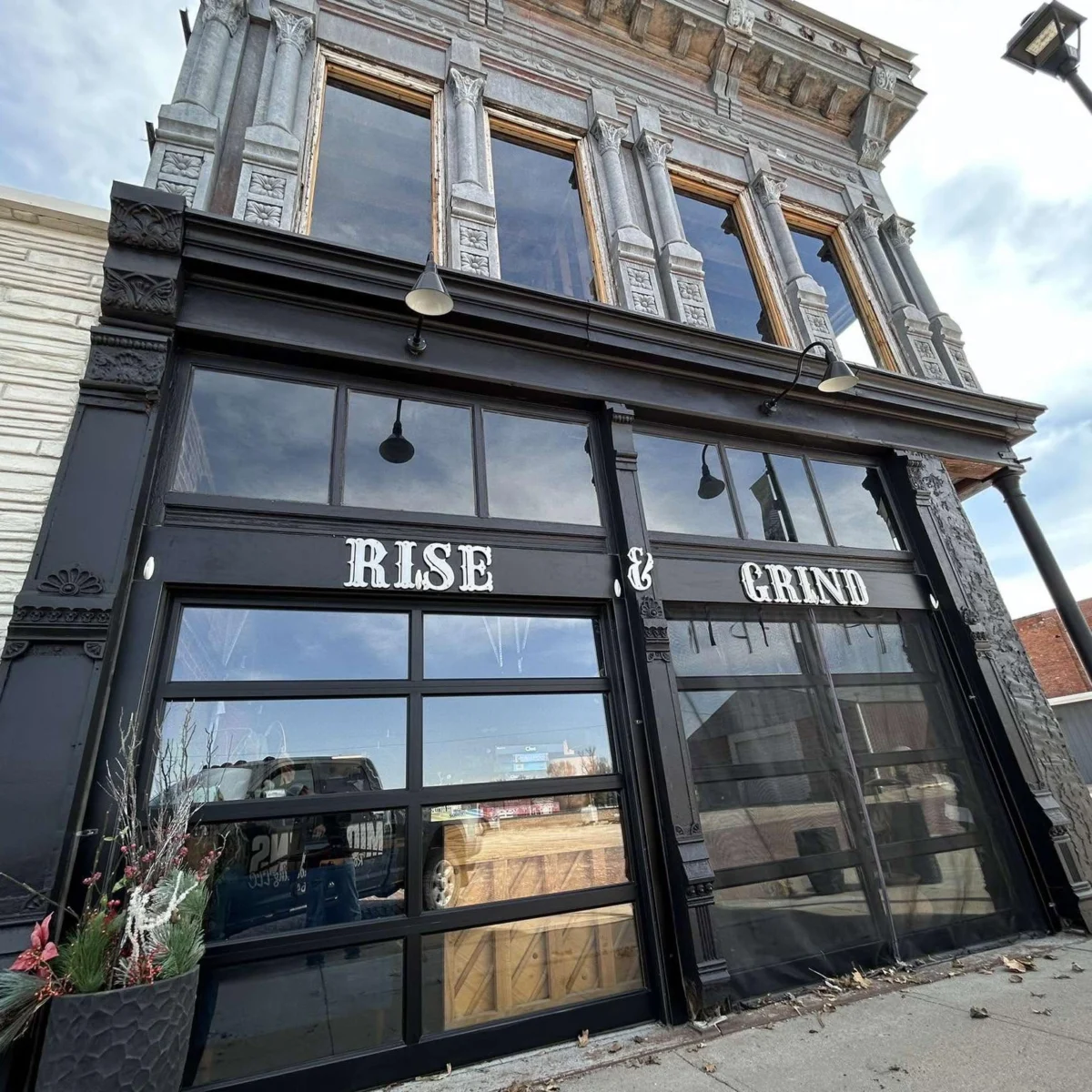
Nestled on Front Street in downtown Gibbon, the family-run coffee shop Rise and Grind stands as a testament to this strategic vision. Occupying a building originally constructed in 1893, Rise and Grind opened its doors in 2021, breathing new life into a historic space. Five years on, it has become a cherished local institution and a beacon for international tourists flocking to witness the March crane migration. Owners and operators Scott and Lonna Pickel have not only built a successful business but have also become integral to the unique cultural fabric that defines crane season in Gibbon.
Revitalizing Front Street: The Birth of Rise and Grind
The transformation of the 1893 building into a modern yet cozy coffee shop symbolizes Gibbon’s broader revitalization efforts. Rise and Grind quickly established itself as a community hub, offering not just coffee and baked goods, but a warm, inviting space for locals and visitors alike. Its location, a short drive from Rowe Sanctuary, naturally positions it as a favored spot for birdwatchers seeking warmth, sustenance, and camaraderie after early morning or late evening viewing sessions. The Pickels’ vision extended beyond commerce; they sought to create an environment where connections could flourish, embodying the "Smile City" spirit.
Operational Adjustments for Peak Season
The arrival of crane season necessitates significant operational adjustments for Rise and Grind. Scott and Lonna meticulously prepare their team, often hiring seasonal staff to manage the increased foot traffic. Bakery and food production are scaled up dramatically to meet demand, with special items sometimes introduced to cater to visitors. The coffee shop’s hours are often extended, particularly during peak migration weeks, to accommodate early risers heading to the blinds and those returning later in the day. This proactive approach ensures a seamless and welcoming experience for every guest, whether they’re a local regular or a traveler from half a world away. The efficiency and warmth with which they manage these seasonal demands contribute significantly to the overall positive impression visitors form of Gibbon.
Curated Merchandise: A Tangible Piece of the Experience
Beyond food and beverages, Rise and Grind has ingeniously integrated the crane migration into its business model through carefully curated merchandise. Collaborating with local artists, they offer a range of Sandhill Crane-themed products featuring their logo, including keychains, sweatshirts, t-shirts, postcards, and art prints. A particularly popular item is "crane popcorn," a locally produced snack that adds a unique regional flavor to their offerings. These merchandise sales provide a crucial economic boost, helping to sustain the small business throughout the year, especially during slower periods. More importantly, these items serve as tangible mementos for visitors, extending the memory of their experience and fostering a deeper connection to Gibbon and the migration. The merchandise reflects the Pickels’ commitment to supporting local talent and providing authentic, memorable keepsakes.
The Tangible Economic Impact: Beyond Daily Sales
While the daily bustle and merchandise sales at Rise and Grind are visible indicators of the economic activity generated by crane season, they represent just a fraction of the broader financial impact. The 2025 Economic Impact Study highlights a $28 million annual contribution, a figure that encompasses a wide array of sectors and demonstrates the profound economic ripple effect of nature-based tourism in Central Nebraska.
The $28 Million Annual Boost: A Regional Overview
This substantial economic impact is derived from various visitor expenditures, including lodging, food and beverages, transportation (gas, car rentals), retail purchases (souvenirs, outdoor gear), guide services, and entrance fees to attractions like Rowe Sanctuary. Tourists, often staying for several days, contribute to local economies across multiple communities in the Platte River Valley, not just Gibbon. This influx of capital supports jobs, generates tax revenues, and stimulates growth in small businesses. The economic benefits are not confined to the direct service industries; they extend to suppliers, distributors, and related services, creating a significant multiplier effect throughout the region. For a rural area, this consistent, annual infusion of tourism dollars is vital for sustaining local infrastructure, services, and quality of life. The study provides a compelling quantitative argument for the economic value of conservation and wildlife-based tourism.
Supporting Local Ecosystems: Supply Chains and Partnerships
The economic impact also extends to local supply chains. Businesses like Rise and Grind often source ingredients from local farmers and producers, further circulating money within the community. The collaboration with local artists for merchandise exemplifies this localized economic ecosystem. Moreover, the presence of a globally renowned event like the crane migration attracts not only individual tourists but also tour operators, researchers, and media, all of whom contribute economically. This creates a network of interdependent businesses and organizations, from hotels and restaurants to gas stations and gift shops, all benefiting from the annual phenomenon. The synergy between conservation organizations like Audubon and local commercial enterprises underscores a model where ecological preservation and economic prosperity are mutually reinforcing.
Cultivating Connections: The Intangible Value of Crane Season
For Scott and Lonna Pickel, and indeed for many locals, the economic benefits, while crucial, are overshadowed by the immeasurable value of the human connections forged during crane season. This sentiment, expressed in an early March social media post by Rise and Grind – "Anyway, just feeling extra grateful for another season of the Sandhill Cranes and all the people they bring to our tiny corner of NE. We’ll be over here sipping our fave Lotus with our feet up getting ready for another day full of the coolest bird people out there!" – encapsulates their philosophy. It’s not just about transactions; it’s about interactions.
Stories Shared, Friendships Forged
Rise and Grind has become a de facto community center during the migration, a place where strangers from diverse backgrounds converge, united by a shared passion for birds. Visitors often linger, sharing stories of their crane viewing experiences, discussing photography tips, or simply enjoying the warmth and camaraderie. This atmosphere fosters genuine connections, transforming fleeting tourist visits into memorable personal encounters. The coffee shop serves as a bridge, connecting global travelers with the authentic hospitality of a small Nebraska town. These interactions enrich both the visitors’ experience and the lives of the local community members, leaving lasting impressions that transcend commercial exchanges.
Global Visitors, Local Hospitality
The Pickels proudly recount welcoming travelers from distant lands, including New Zealand, Korea, Japan, and nearly every state in the U.S. Each visitor brings a unique perspective and often leaves with a deep appreciation for the local culture. The anecdote of the two sisters—one from Alaska, one from California—who endured a cold night in Rowe Sanctuary’s primitive Overnight Photography Blind perfectly illustrates this. Rise and Grind’s donation of hand warmers to Rowe Sanctuary provided much-needed comfort, prompting the sisters to express profound gratitude during their subsequent visit to the coffee shop. Their appreciation was further demonstrated by a thoughtful gift package sent from Alaska, filled with local products. Such gestures highlight the reciprocal nature of hospitality and appreciation, demonstrating how small acts of kindness can foster powerful, lasting bonds.
Another memorable interaction involved a couple from Texas who, having discovered Rise and Grind through a chef friend the previous year, returned with chorizo from their friend’s restaurant. They became regulars during their stay, bringing new "crane friends" each day and sharing fresh insights about the birds. As Lonna Pickel shared, "One of the volunteers told me he looks forward to this every year!" These repeated visits and thoughtful exchanges underscore the creation of a loyal community of visitors who feel a personal connection to Rise and Grind and Gibbon. It transforms a one-time visit into an annual pilgrimage, driven by both the natural spectacle and the warmth of human interaction.
A Family Legacy: Pickel’s Personal Investment
The family-run nature of Rise and Grind further deepens these connections. Scott and Lonna’s children are actively involved, with one managing social media and the other creating artwork for merchandise. This personal investment imbues the business with a genuine authenticity that resonates with visitors. It’s not just a business; it’s a family’s passion and a community’s heart. This personal touch differentiates Rise and Grind from more corporate establishments, reinforcing the charm and appeal of small-town America. The Pickels are not just business owners; they are ambassadors for Gibbon and the Sandhill Crane migration, creating an environment where visitors feel truly welcomed and valued.
Broader Implications: Eco-Tourism, Conservation, and Rural Vitality
The success story of Rise and Grind and the broader economic impact of the Sandhill Crane migration offer a powerful model for sustainable development in rural areas. It demonstrates how nature-based tourism, when thoughtfully managed and integrated with local communities, can serve as a catalyst for economic growth while simultaneously reinforcing conservation efforts.
The Symbiotic Relationship: Conservation and Commerce
The Sandhill Crane migration exemplifies a symbiotic relationship between conservation and commerce. Without the dedicated efforts of organizations like Audubon’s Rowe Sanctuary to protect and restore critical habitat along the Platte River, the migration as it is known today would likely diminish. Conversely, without the awe-inspiring spectacle of the cranes, the region would lose a significant driver of tourism and economic activity. This interdependence underscores the necessity of continued investment in environmental protection, as the health of the ecosystem directly translates into tangible economic benefits for local communities. The $28 million economic impact is, in essence, a return on investment in nature.
Sustaining Rural Economies Through Nature
For many rural towns facing population decline and economic challenges, eco-tourism offers a viable path to revitalization. The Sandhill Crane migration provides a unique, globally recognized attraction that puts Central Nebraska on the international tourism map. Businesses like Rise and Grind demonstrate how local entrepreneurs can tap into this resource, creating jobs, generating income, and fostering a sense of pride within the community. This model encourages diversified economies, reducing reliance on single industries and building resilience against economic fluctuations. It also highlights the importance of collaboration between conservationists, local governments, and businesses to create a holistic and sustainable tourism experience.
The Future of Crane Tourism in Central Nebraska
As awareness of the Sandhill Crane migration continues to grow, the future of crane tourism in Central Nebraska appears bright. Ongoing research, such as the 2025 Economic Impact Study, will provide valuable data for strategic planning, allowing communities and conservation organizations to further optimize visitor experiences and economic benefits. Challenges remain, particularly concerning water management in the Platte River Basin and the long-term impacts of climate change on migratory patterns and habitat availability. However, the strong community engagement, the dedication of conservationists, and the entrepreneurial spirit of businesses like Rise and Grind suggest a resilient and adaptable approach. Continued investment in both ecological preservation and community development will be crucial to ensuring that the magic of crane season continues to enchant visitors and enrich local lives for generations to come.
A Model for Sustainable Growth
Ultimately, the story of the Sandhill Crane migration in Central Nebraska, epitomized by the welcoming embrace of Gibbon’s Rise and Grind, is a powerful narrative of sustainable growth. While the $28 million annual economic impact is undeniably significant, the Pickels’ perspective reminds us that the greatest value derived from crane season often cannot be quantified in dollars. It resides in the shared laughter over a warm cup of coffee, the friendships formed between strangers united by a shared love for birds, and the profound joy of welcoming people from every corner of the globe to a small Nebraska community. For Rise and Grind, Sandhill Crane season transcends mere business opportunity; it serves as a potent reminder that nature not only fuels local economies but, more importantly, fosters enduring human connections that inspire visitors to return year after year, enriching both the land and its people.
