
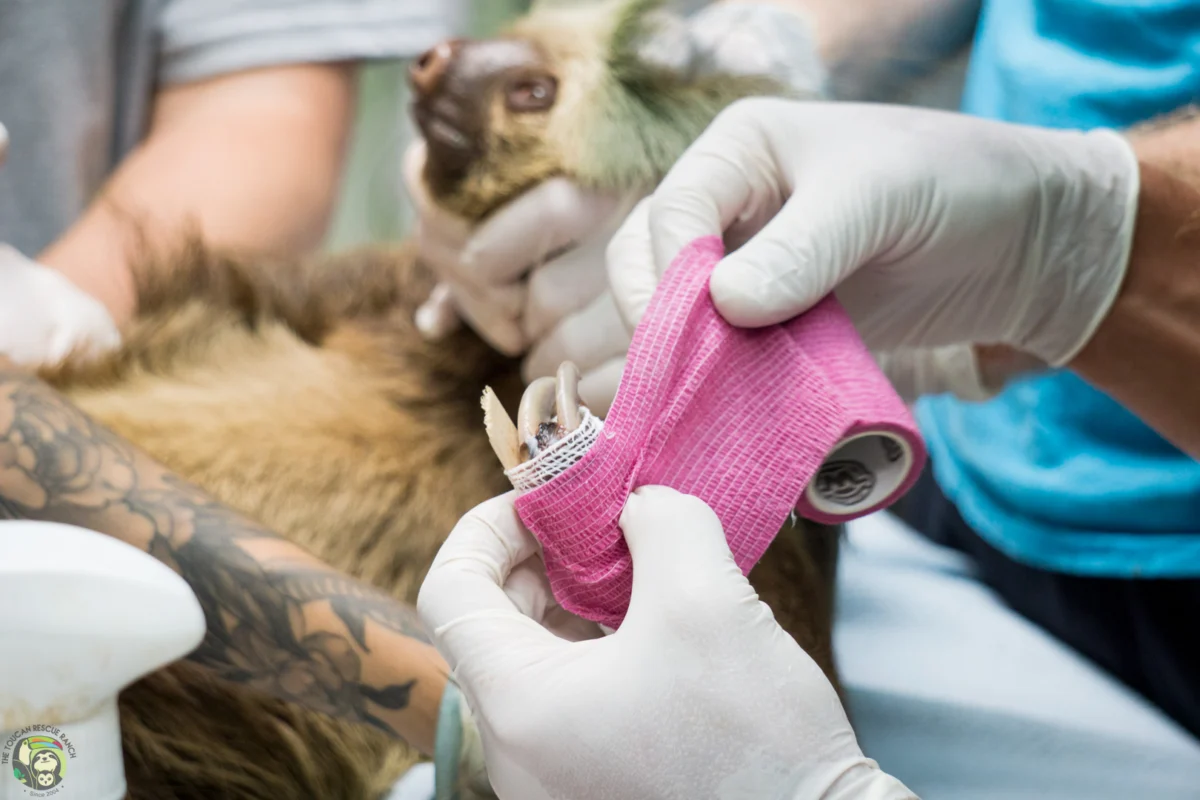
The preservation of Costa Rica’s rich biodiversity relies heavily on the coordinated efforts of non-governmental organizations, veterinary professionals, and a global network of donors who provide the essential resources required for wildlife rehabilitation. The Toucan Rescue Ranch (TRR), a prominent wildlife rescue and rehabilitation center located in San José and Sarapiquí, has issued a comprehensive set of guidelines for supporters looking to contribute material goods to their cause. As an organization dedicated to the rescue, rehabilitation, and eventual release of orphaned and injured animals—most notably sloths, toucans, and various feline species—TRR operates on a model that integrates professional veterinary care with public participation. However, the logistical challenges of operating within Central America necessitate a strategic approach to international donations, ensuring that critical supplies reach the clinic without being lost to bureaucratic delays or unreliable postal infrastructure.
The Vital Role of Material Donations in Wildlife Rehabilitation
In the field of wildlife conservation, monetary donations are indispensable for covering operational costs such as staff salaries, electricity, and facility maintenance. However, material donations—ranging from specialized medical equipment to daily animal care supplies—provide a direct and immediate impact on the quality of care provided to resident animals. For an organization like Toucan Rescue Ranch, which manages a high volume of "patients" at any given time, the turnover of supplies is rapid. Orphaned sloths require specific types of blankets and heaters to mimic the warmth of a mother, while injured raptors and toucans necessitate specialized surgical tools and antiseptic treatments.
By utilizing platforms like the Amazon Wish List and the Cuddly Wish List, TRR allows donors to see exactly what is needed in real-time. This transparency ensures that the organization does not receive an oversupply of low-priority items while lacking essential medical goods. The Cuddly platform, in particular, is designed specifically for animal welfare organizations, providing a streamlined way for supporters to fund specific items that are then shipped to a central location or purchased through the platform’s network. This modern approach to "digital giving" bridges the gap between international supporters and the local needs of Costa Rican wildlife.
Navigating the Logistical Challenges of the Costa Rican Postal System
One of the primary hurdles for international NGOs operating in Costa Rica is the complexity of the national postal and customs system. Historically, direct shipments to Costa Rica via standard international mail have been fraught with difficulties, including extended delays, high import duties, and a significant risk of packages being lost or returned to the sender. To mitigate these risks, the Toucan Rescue Ranch has developed three primary channels for receiving material donations, each with its own set of advantages and requirements.
The Preferred Method: Checked Luggage and Personal Delivery
The most reliable and cost-effective method for getting supplies to the ranch is through the "hand-delivery" model. TRR encourages interns, volunteers, guesthouse visitors, and eco-tourists to utilize their checked luggage for transporting donated items. This method bypasses the unpredictability of the postal system entirely. By bringing items in person, donors ensure that the supplies arrive exactly when and where they are needed, without the added burden of shipping fees or customs paperwork. This practice aligns with the "Pack for a Purpose" initiative, a global movement that encourages travelers to use a small amount of space in their luggage to bring essential supplies to community projects at their destination.
The U.S. Staging Area: Knoxville, Tennessee
Recognizing that many donors are unable to travel to Costa Rica, TRR has established a strategic partnership with a board member located in Knoxville, Tennessee. This individual provides warehouse space to store donated items within the United States. This "staging area" serves as a collection point for domestic shipments, which are then consolidated and transported to Costa Rica whenever staff or trusted associates travel between the two countries. While this method is highly effective for gathering large volumes of supplies, TRR notes that it does not guarantee immediate delivery. The transit of these goods is dependent on the frequency of travel and the availability of luggage space, making it a medium-term solution for non-urgent items.
Direct International Shipping via DHL
For donors who wish to ship items directly to the facility in Costa Rica and require a guarantee of delivery, the organization recommends the exclusive use of DHL. Unlike standard postal services, DHL maintains a robust logistics network in Central America with reliable tracking and established customs clearance procedures. However, the organization cautions that this is often the most expensive option. Shipping costs can sometimes exceed the value of the items themselves, and donors are encouraged to weigh the cost of shipping against the possibility of making a monetary donation that would allow the ranch to purchase supplies locally or through more economical channels.
Categorizing the Needs: A Hierarchy of Impact
To guide donors in their contributions, the Toucan Rescue Ranch categorizes its needs into three priority levels: High, Medium, and Lower Priority. This categorization is based on the immediate survival needs of the animals and the functional requirements of the veterinary clinic.
High-priority items typically include specialized veterinary supplies that are difficult to source within Costa Rica. This includes specific brands of milk replacers for neonatal sloths and anteaters, surgical instruments, diagnostic tools, and high-quality disinfectants. Because these items directly affect the survival rates of incoming rescues, they are the most sought-after donations.
Medium-priority items often consist of animal enrichment tools and maintenance equipment. Enrichment is a critical component of rehabilitation, as it ensures that animals remain mentally stimulated and retain their natural instincts during their recovery period. Items such as durable toys, specialized feeding bowls, and climbing structures fall into this category.
Lower-priority items generally include administrative supplies and general-purpose tools. While these are necessary for the long-term operation of the ranch, they are often easier to acquire locally or can be deferred if more urgent medical needs arise.
Financial Transparency and Tax-Deductible Status
The Toucan Rescue Ranch operates as a dual-registered entity, which provides significant advantages for donors concerned with financial transparency and tax benefits. In the United States, TRR is a registered 501(c)(3) nonprofit organization (EIN: 80-0516453). This status allows U.S. taxpayers to claim their donations as tax deductions, provided they follow the IRS guidelines for charitable giving. In Costa Rica, the organization is a registered foundation (#300667701803), ensuring compliance with local laws and regulations governing NGOs and wildlife centers.
This dual status is a hallmark of professional international conservation efforts. it ensures that the organization is subject to rigorous financial oversight in two different jurisdictions, providing donors with peace of mind that their contributions—whether in cash or in kind—are being used for their intended purpose.
Analysis: The Broader Impact on Costa Rican Biodiversity
The work of the Toucan Rescue Ranch is situated within a broader environmental context. Costa Rica, despite its small geographic size, contains nearly 6% of the world’s biodiversity. However, this biodiversity faces constant threats from urbanization, habitat fragmentation, and the illegal pet trade. Wildlife rescue centers serve as the front line in the battle to preserve these species.
When a donor provides a specific item—for example, a specialized incubator—the impact extends far beyond a single animal. That incubator may be used to save dozens of orphaned sloths over several years. These sloths, once rehabilitated, are released back into the wild where they contribute to the genetic diversity of the local population and play their part in the ecosystem. The "Rescue, Rehabilitate, Release" model is only successful if the "Rehabilitate" phase is supported by professional-grade equipment and nutrition.
Furthermore, the involvement of the international community through material donations fosters a sense of global stewardship. It connects individuals in North America, Europe, and beyond to the specific, tangible needs of a rainforest clinic in Central America. This connection often leads to long-term advocacy and further support for conservation policies worldwide.
Chronology of Support: From Donation to Release
The journey of a donated item often mirrors the journey of the animals it helps. A shipment of medical supplies arriving via DHL might be used the very next day to treat a toucan with a fractured beak. As that toucan heals, it moves from the intensive care unit to an outdoor enclosure, where enrichment items from the Amazon Wish List help it regain the strength and coordination needed for flight. Finally, the animal is moved to the TRR Release Site in Sarapiquí, where it is monitored before being returned to the wild.
The Toucan Rescue Ranch’s call for donations is not merely a request for supplies; it is an invitation to participate in a proven cycle of conservation. By following the recommended logistical pathways—prioritizing personal delivery or trusted carriers—donors ensure that their generosity is translated into direct action. As the organization continues to grow and face new environmental challenges, the support of the "TRR family" remains the cornerstone of its success in protecting Costa Rica’s most iconic wildlife.
