
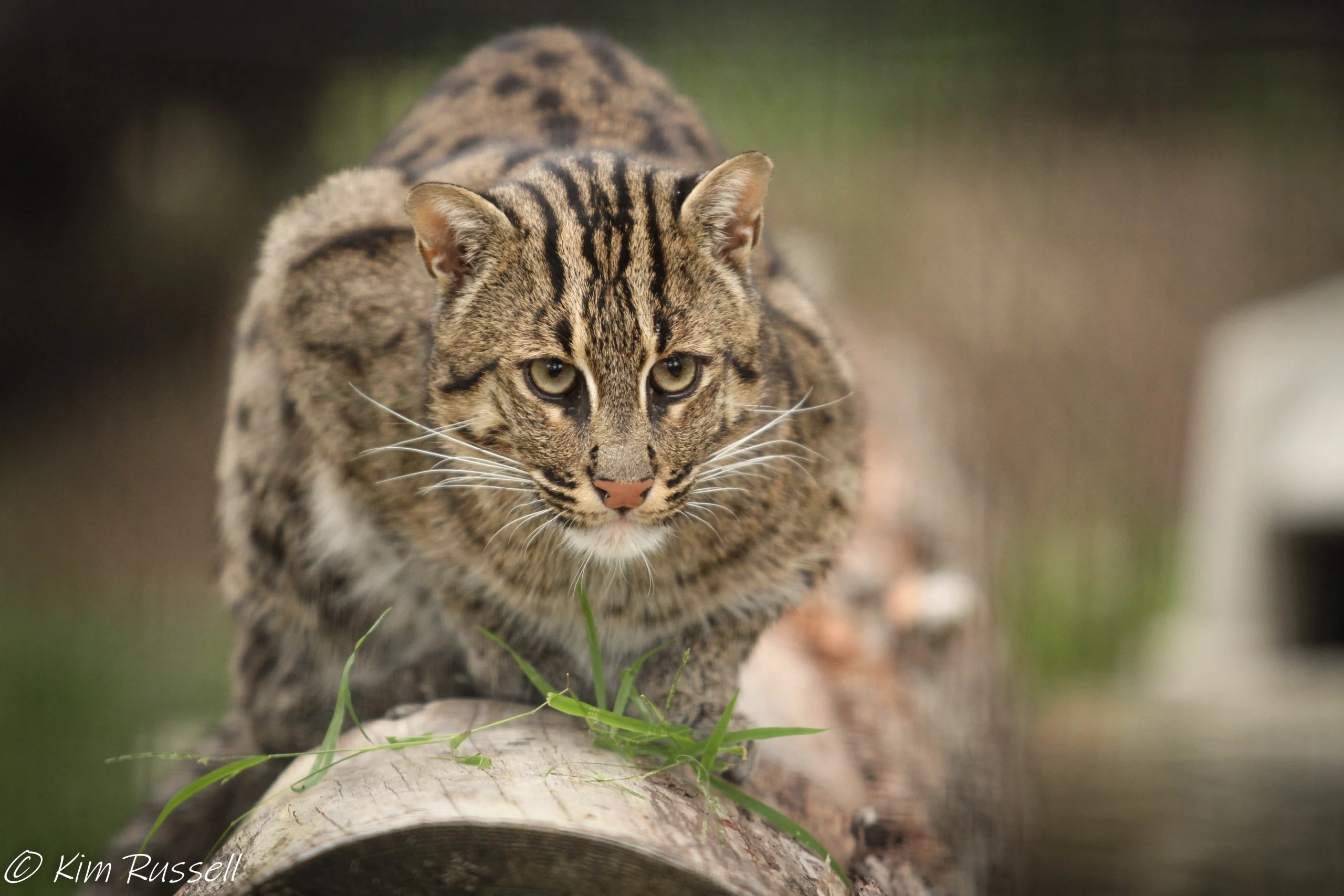
The annual observance of World Wildlife Day, recognized globally on March 3rd, arrives this year with a potent and timely theme: "Partnerships for Wildlife Conservation." This overarching message underscores the urgent need for collaborative action in safeguarding Earth’s diverse and increasingly imperiled fauna. In the shadow of this significant day, the story of River, a charismatic six-year-old fishing cat residing at the Hawk Creek Wildlife Center, emerges as a compelling testament to the power of such partnerships and the vital role ambassador animals play in raising awareness and fostering support for species on the brink.
The Plight of the Fishing Cat: A Vulnerable Icon
Fishing cats (Prionailurus viverrinus) represent a stark example of a species facing immense pressure in its natural habitat. Classified as vulnerable on the International Union for Conservation of Nature (IUCN) Red List, their populations are experiencing a concerning decline across their range, which spans from Southeast Asia to parts of India. This vulnerability is largely attributed to habitat loss and degradation, driven by agricultural expansion, urbanization, and the destruction of wetland ecosystems – the very environments these felines are exquisitely adapted to. The fact that many individuals remain unaware of the existence of fishing cats further exacerbates their conservation challenges, highlighting the critical need for increased public engagement and education.
River, through her role as an ambassador animal at Hawk Creek, serves as a living bridge between the public and the often-unseen struggles of her wild kin. By captivating visitors with her unique adaptations and behaviors, she inspires empathy and a desire to protect the species. This direct connection is invaluable in translating abstract conservation concerns into tangible actions, such as donations and support for conservation initiatives.
The Power of Collaboration: Bridging Research and Conservation
The theme of "Partnerships for Wildlife Conservation" is vividly illustrated by a recent significant development: the visit of the founder of the Fishing Cat Conservancy to Hawk Creek to meet River. This meeting exemplifies the synergy between wildlife centers and dedicated conservation organizations. Fishing cats are notoriously elusive and challenging to study in the wild, making research a complex and resource-intensive endeavor. The opportunity for the Conservancy’s founder to observe and study River’s movements and her remarkable fishing techniques firsthand at Hawk Creek provides invaluable data.
This on-site research, facilitated by River’s presence as an ambassador, allows scientists to gain a deeper understanding of fishing cat behavior, diet, and habitat utilization. Such insights are not merely academic; they are foundational to developing effective conservation strategies. By studying ambassador animals like River, researchers can extrapolate crucial information that can be applied to conservation programs aimed at protecting their wild counterparts. This interdisciplinary approach, where captive education and research directly inform wild conservation efforts, represents a powerful model for species survival.
The Fishing Cat Conservancy: A Model for Grassroots Conservation
The Fishing Cat Conservancy is actively engaged in a multi-pronged approach to ensure the long-term survival of this vulnerable species. Their initiatives reflect the spirit of the World Wildlife Day theme by forging critical partnerships and implementing practical solutions. The Conservancy’s work includes:
- Establishing Nature Preserves: A cornerstone of their strategy is the acquisition and designation of protected areas that serve as safe havens for fishing cat populations. These preserves aim to safeguard vital wetland habitats, ensuring that these felines have access to the resources they need to thrive.
- Partnerships with Landowners: Recognizing that much of the remaining fishing cat habitat exists on private land, the Conservancy actively collaborates with landowners. These partnerships involve working with individuals and communities to implement conservation-friendly land management practices that minimize human-wildlife conflict and preserve critical ecosystems. This approach acknowledges that effective conservation often requires engaging those who live and work alongside wildlife.
- Inspiring Change: Beyond habitat protection and policy work, the Conservancy places a strong emphasis on education and advocacy. By raising public awareness and fostering a sense of stewardship, they aim to inspire broader societal change that benefits wildlife. This includes engaging with local communities, policymakers, and the general public to promote understanding and support for fishing cat conservation.
The Conservancy’s commitment to these multifaceted efforts underscores the intricate and interconnected nature of modern wildlife conservation. Their website, fishcat.org, serves as a vital resource for those seeking to learn more about fishing cats and contribute to their conservation.
World Wildlife Day: A Global Call to Action
World Wildlife Day was established by a United Nations General Assembly resolution on December 20, 2013, to celebrate and raise awareness of the world’s wild animals and plants. The date, March 3rd, commemorates the signing of the Convention on International Trade in Endangered Species of Wild Fauna and Flora (CITES) in 1973, a landmark international agreement that ensures international trade in specimens of wild animals and plants does not threaten their survival.
Each year, a specific theme is chosen to focus global attention on a particular aspect of wildlife conservation. "Partnerships for Wildlife Conservation" for 2024 highlights the understanding that no single entity can effectively address the complex challenges facing wildlife. It emphasizes the necessity of collaboration across governments, non-governmental organizations, the private sector, local communities, and individuals. The success of initiatives like those undertaken by the Fishing Cat Conservancy and facilitated by ambassador animals like River is a direct reflection of this collaborative ethos.
Supporting Conservation: The Impact of Donations
The article’s call to action, encouraging donations to Hawk Creek on World Wildlife Day, directly links individual contributions to tangible conservation outcomes. By supporting organizations like Hawk Creek and the Fishing Cat Conservancy, individuals become active participants in the global effort to protect endangered species. These donations are instrumental in funding critical activities such as habitat restoration, anti-poaching patrols, community outreach programs, and scientific research.
The financial support generated on World Wildlife Day can have a ripple effect, enabling conservationists to scale up their efforts and address emerging threats. For species like the fishing cat, where populations are declining and habitats are shrinking, every contribution, no matter how small, can make a significant difference. The act of donating becomes a personal partnership in the broader mission of wildlife preservation.
The Broader Implications: A Future for Biodiversity
The story of River and the efforts of the Fishing Cat Conservancy offer a microcosm of the larger challenges and opportunities in global wildlife conservation. The success of ambassador animal programs in fostering public engagement, coupled with the strategic partnerships forged by conservation organizations, points towards a hopeful, albeit challenging, future for biodiversity.
The implications of these efforts extend far beyond the survival of a single species. Healthy ecosystems, which fishing cats inhabit, provide essential services such as water purification, climate regulation, and pollination. The decline of species like the fishing cat signals a broader degradation of these vital natural systems, with direct consequences for human well-being.
The data consistently shows a concerning trend in global biodiversity loss. The World Wildlife Fund’s Living Planet Report 2022 indicated an average 69% decline in wildlife populations since 1970. This stark statistic underscores the urgency of conservation efforts and the critical need for the types of partnerships being highlighted this World Wildlife Day.
The analysis of fishing cat movements and paw usage, as facilitated by River’s presence, is not just about understanding a single feline; it is about understanding the intricate ecological roles that species play and how to maintain the balance of their environments. When fishing cats thrive, it signifies that their wetland habitats are healthy, which in turn benefits numerous other species and the human communities that depend on those ecosystems.
Looking Ahead: Sustaining Momentum
As World Wildlife Day concludes, the imperative to sustain the momentum generated remains. The partnerships fostered, the awareness raised, and the funds contributed must translate into ongoing, long-term commitment. The work of organizations like the Fishing Cat Conservancy and the educational impact of ambassador animals like River are crucial in this regard.
The future of species like the fishing cat hinges on our collective ability to recognize the interconnectedness of life on Earth and to act decisively through collaborative action. The theme of "Partnerships for Wildlife Conservation" is not merely a slogan; it is a call to action that demands our sustained attention and engagement. By understanding the challenges, celebrating the successes, and actively participating in conservation efforts, we can help ensure that iconic species like the fishing cat continue to grace our planet for generations to come. The image of River, a vibrant ambassador for her species, serves as a potent reminder of what is at stake and the profound impact of dedicated conservation partnerships.
