
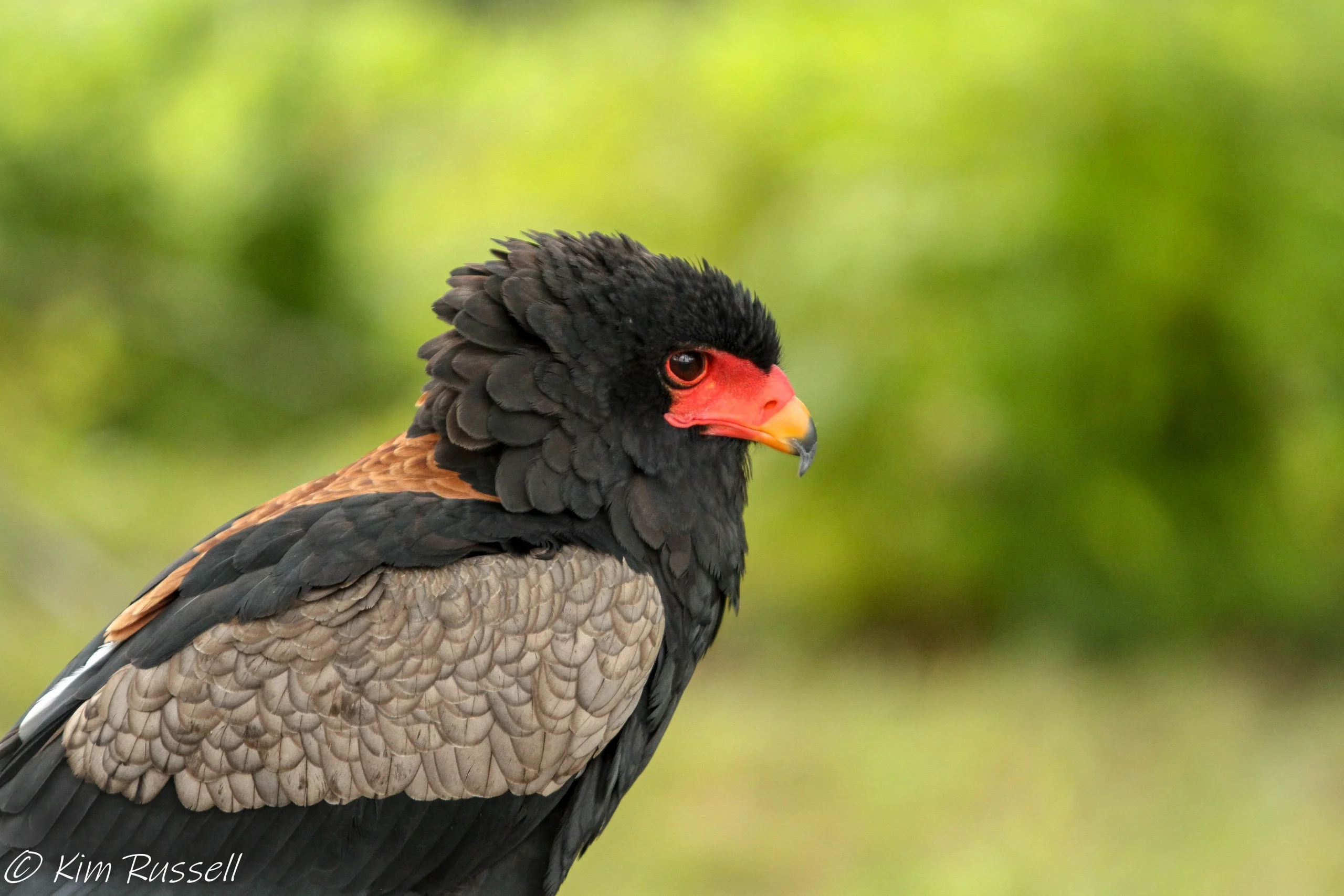
The groundbreaking work of Waha Thuweeka, also known as William "Two-Raven" Voelker, a proud member of the Ohnononuh band of the Comanche People, is reshaping the landscape of conservation, cultural preservation, and scientific inquiry. For over four decades, Mr. Voelker has dedicated his life to a holistic approach that intertwines ethnology with ornithology, focusing on the profound significance of eagles and raptors throughout history, science, and spiritual traditions. His pioneering efforts have not only advanced avian conservation but have also established vital connections between Native American cultural heritage and the stewardship of these majestic birds.
A Legacy of Pioneering Avian Conservation and Cultural Heritage
Born to a full-blood Comanche mother and a father deeply involved in raptor research, Mr. Voelker’s upbringing provided a unique foundation for his life’s mission. He is the first Native American to have held U.S. Fish & Wildlife Service permits for the care and breeding of Bald and Golden Eagles in captivity. Furthermore, he is the sole individual in the United States to have successfully propagated both species through artificial insemination. This remarkable achievement has contributed significantly to the recovery and perpetuation of these iconic birds.
Since 1974, Mr. Voelker has been instrumental in the captive production of over four hundred native eagles, with the vast majority of these birds subsequently released into the wild. His contributions extend beyond these flagship species; his research encompasses field studies, captive behavioral analysis, and propagation efforts for an impressive sixty-eight species of eagles and other raptors from five continents. This expansive scope underscores his commitment to understanding and conserving avian biodiversity on a global scale.
His dedication to heritage is further evidenced by his past role as chairman of the Comanche Nation NAGPRA & Historic Preservation Board of Directors. This experience highlights his deep understanding of the legal and cultural frameworks necessary for protecting indigenous ancestral remains and cultural artifacts, a sensitivity that he has seamlessly integrated into his ethno-ornithological initiatives.
Founding Sia: Bridging Tradition and Modern Conservation
In 1999, Mr. Voelker formalized his lifelong work under the official political umbrella of the Comanche Nation, establishing Sia: The Comanche Nation Ethno-Ornithological Initiative. This program serves as a critical nexus for addressing the complex and often overlooked traditional and cultural interactions between Native Peoples and their avian resources. Sia operates as an official program of the Tribe, lending it significant authority and legitimacy in its endeavors.
One of the most impactful developments under the Sia initiative is the establishment of The Sia Essential Species Repository. This groundbreaking program is the first tribally administered Native American feather acquisition and dispersal program of its kind. Its core mission is to facilitate Native Americans meeting their feather needs through a system that prioritizes partnership with the U.S. Fish & Wildlife Service. The repository provides a legal and ethical pathway for members of federally recognized tribes to acquire and possess feathers from non-eagle migratory birds, all while adhering to stringent conservation protocols. The genesis of this vital program can be traced back to 1973, when the proposal for a tribal feather repository was first submitted to the U.S. Fish & Wildlife Service for approval, demonstrating a decades-long commitment to its realization.
A Treasure Trove of Comanche Heritage: The Sia Archives
Beyond its conservation mandate, Sia also functions as the designated historian of bird knowledge for the Numunuh (Comanche). This role involves the meticulous preservation and curation of a vast and invaluable archive. This archive boasts material culture dating back over 300 years, housed in a state-of-the-art, environmentally controlled facility to ensure its longevity.
The research library within Sia comprises over 28,000 volumes, offering an extensive resource for scholars, tribal members, and the public interested in ornithology, ethnology, and Native American history. Complementing this is an historic photographic archive featuring more than 4,600 images of the Numunuh people, some predating their forced displacement and captivity, providing a poignant visual narrative of their enduring legacy.
Furthermore, Sia houses an immense collection of over 500,000 pages of unpublished historical documents. This includes a rich tapestry of letters, diaries, field notes, and associated documents, offering unparalleled insights into the lives, traditions, and scientific observations of the Comanche people over centuries. This extensive archival material is crucial for understanding the historical relationship between indigenous communities and the natural world, particularly their profound connection to avian life.
Historical Context and the Significance of Feather Acquisition
The U.S. migratory bird treaty laws, enacted in the early 20th century, aimed to protect migratory birds by prohibiting their possession, sale, and transport without permits. While these laws were crucial for conservation efforts, they inadvertently created significant challenges for Native American tribes who have historically and culturally relied on feathers for ceremonial, spiritual, and practical purposes. For millennia, feathers have been integral to Native American regalia, headdresses, sacred objects, and traditional crafts, representing a profound spiritual connection to the avian world and the Creator.
The legal framework for acquiring feathers, particularly those from protected species, has been a complex and often restrictive process for Native Americans. The Sia Essential Species Repository directly addresses this historical disparity by creating a mechanism that honors both conservation principles and the inherent cultural rights of indigenous peoples. The long gestation period of this initiative, from initial proposal in 1973 to its establishment in 1999, highlights the intricate negotiations and bureaucratic processes involved in reconciling federal law with tribal sovereignty and cultural practices.
Supporting Data and Conservation Achievements
The success of Mr. Voelker’s breeding programs is a testament to his expertise and dedication. The propagation of Bald Eagles (Haliaeetus leucocephalus) and Golden Eagles (Aquila chrysaetos) has played a vital role in their recovery. The Bald Eagle, once on the brink of extinction due to factors like DDT poisoning and habitat loss, has seen a remarkable comeback, with captive breeding and reintroduction programs, like those spearheaded by Mr. Voelker, contributing significantly to this success. Similarly, Golden Eagles, while not facing the same level of endangerment as the Bald Eagle historically, are crucial components of their ecosystems and cultural landscapes.
The artificial insemination technique employed by Mr. Voelker is a sophisticated biotechnological advancement in avian conservation. This method allows for controlled breeding and can be particularly useful in situations where natural mating is difficult or impossible, or for increasing the genetic diversity within captive populations. The birth of the world’s first artificially produced Bald Eagle stands as a landmark achievement in this field.
Broader Impact and Implications
The establishment of Sia and its Essential Species Repository has far-reaching implications for Native American communities and conservation efforts nationwide.
- Cultural Revitalization: The repository ensures that Native Americans can continue to practice their traditions and maintain their cultural heritage without legal encumbrance, fostering a sense of continuity and respect for ancestral practices.
- Tribal Sovereignty and Self-Determination: By administering their own feather acquisition program, the Comanche Nation, through Sia, asserts tribal sovereignty and demonstrates a proactive approach to managing their cultural resources.
- Enhanced Conservation Collaboration: The partnership with the U.S. Fish & Wildlife Service exemplifies a model for inter-governmental collaboration that respects both federal conservation mandates and tribal rights. This approach can serve as a blueprint for other tribes seeking to navigate similar legal and cultural challenges.
- Scientific Advancement: The extensive research conducted by Sia contributes to a deeper understanding of raptor biology, behavior, and ecological roles, informing broader conservation strategies. The archival materials also offer invaluable historical data for researchers studying the long-term human-environment interactions.
- Education and Awareness: The work of Sia, particularly through its public outreach and educational initiatives, raises awareness about the importance of eagles and raptors, not only as ecological indicators but also as symbols of strength, freedom, and spiritual significance within indigenous cultures.
Future Outlook and Recognition
The initiatives spearheaded by Waha Thuweeka and Sia: The Comanche Nation Ethno-Ornithological Initiative represent a paradigm shift in how indigenous knowledge, cultural practices, and modern conservation science can be harmoniously integrated. Mr. Voelker’s lifelong dedication, marked by scientific innovation and cultural reverence, has laid a foundation for future generations to benefit from the wisdom of the past and the advancements of the present. As Sia continues to grow and expand its reach, its impact on avian conservation, cultural preservation, and the empowerment of Native American communities is poised to be profound and enduring. The organization’s commitment to its mission, as embodied by Mr. Voelker’s pioneering spirit, ensures a brighter future for both the majestic raptors it strives to protect and the rich cultural heritage it so diligently preserves.
