
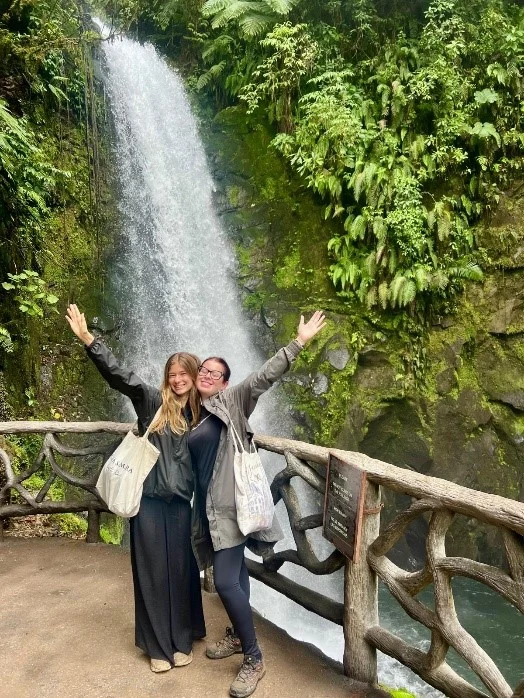
The landscape of wildlife conservation in Central America relies heavily on a sophisticated synergy between professional veterinary staff and international volunteers, a dynamic recently highlighted by the two-month tenure of Swiss volunteer Kim Schafroth at the Toucan Rescue Ranch in Costa Rica. During her residency, Schafroth operated across two distinct functional areas: the Animal Care Team and the Marketing Team. Her experience provides a detailed case study of the operational complexities involved in the rescue, rehabilitation, and eventual release of Costa Rica’s diverse fauna. This multifaceted role allowed for a comprehensive understanding of both the biological requirements of endangered species and the communicative strategies necessary to sustain a non-profit conservation organization.
The Operational Context of the Toucan Rescue Ranch
Founded in 2004, the Toucan Rescue Ranch (TRR) has evolved from a small rescue facility into a major center for wildlife rehabilitation. Located in the highlands of Heredia, near San José, the facility operates under the strict regulations of the Costa Rican Ministry of Environment and Energy (MINAE). Costa Rica, despite its small geographic footprint, is home to nearly 6% of the world’s biodiversity. This biological wealth places an immense responsibility on rescue centers, which must manage the influx of animals displaced by habitat loss, illegal pet trade, and human-wildlife conflict.
The ranch’s mission is centered on a three-tier approach: Rescue, Rehabilitation, and Release. For animals that cannot be returned to the wild due to permanent injuries or behavioral imprinting, the ranch serves as a lifelong sanctuary. Volunteers like Schafroth are integral to the daily execution of this mission, providing the labor-intensive care required to maintain high standards of animal welfare.
Chronology of Care: The Daily Operational Cycle
The operational day at the Toucan Rescue Ranch begins at 07:00 with a mandatory briefing. This morning meeting serves as a critical communication node where staff and volunteers review the previous 24 hours, noting any behavioral changes in the animals, medical emergencies, or specific tasks that require immediate attention. This structured approach ensures that no detail of animal health is overlooked in a facility housing hundreds of individual creatures.
Following the briefing, the workforce is divided into specialized teams to maximize efficiency. One group manages the kitchen, a high-volume environment where nutritional science is put into practice. The dietary requirements of the residents are diverse; birds require specific fruit ratios, while mammals like monkeys and grisons demand a complex variety of vegetables and proteins to ensure optimal nutrient intake. Simultaneously, the sanctuary team manages the enclosures, focusing on hygiene and the replenishment of water trays. This phase is crucial for preventing the spread of pathogens within the sanctuary population.
The mid-morning period transition involves the distribution of meals. This is not merely a task of feeding but an opportunity for health monitoring. Volunteers observe the animals’ appetite and physical movement, which can provide early indicators of illness. Following the morning feeding cycle, the team reconvenes for a traditional Costa Rican breakfast, a practice that fosters communal cohesion and allows for informal knowledge sharing among international participants.
Specialized Care and Behavioral Enrichment Protocols
As the day progresses, the focus shifts from basic maintenance to specialized care and enrichment. A notable example is the care of Emma, a resident North American river otter. Emma’s feeding routine involves a three-meal-a-day schedule, specifically designed to mimic natural hunting behaviors. Her diet, primarily consisting of trout, is served in a manner that encourages her to utilize her aquatic environment, dunking her food in her pool—a behavior essential for both physical health and psychological stimulation.
Behavioral enrichment is a core component of the rehabilitation process. Enrichment activities are designed to stimulate an animal’s natural instincts, preventing the lethargy and stereotypy often associated with captivity. At TRR, this includes:
- Foraging Challenges: Constructing "fruit trees" for birds to encourage active searching for food.
- Tactile Enrichment: Creating "tamales" wrapped in banana leaves for mammals, requiring them to manipulate objects to access their meal.
- Thermal Regulation: Providing frozen fruit juice or "animal ice cream" on high-temperature days to assist with cooling and sensory variety.
The afternoon cycle includes the "top-up" feedings, where parrots receive seeds and toucans are provided with fresh papaya. This period is often characterized by high vocal activity among the avian population, signaling the biological importance of these scheduled interactions.
Nocturnal Species and Late-Day Operations
The final phase of the working day addresses the needs of the ranch’s nocturnal residents. As the sun begins to set, mammals such as kinkajous, porcupines, and pacas begin their active cycle. While these animals are primarily active at night, they are fed in the late afternoon, allowing staff to monitor them during their waking hours.
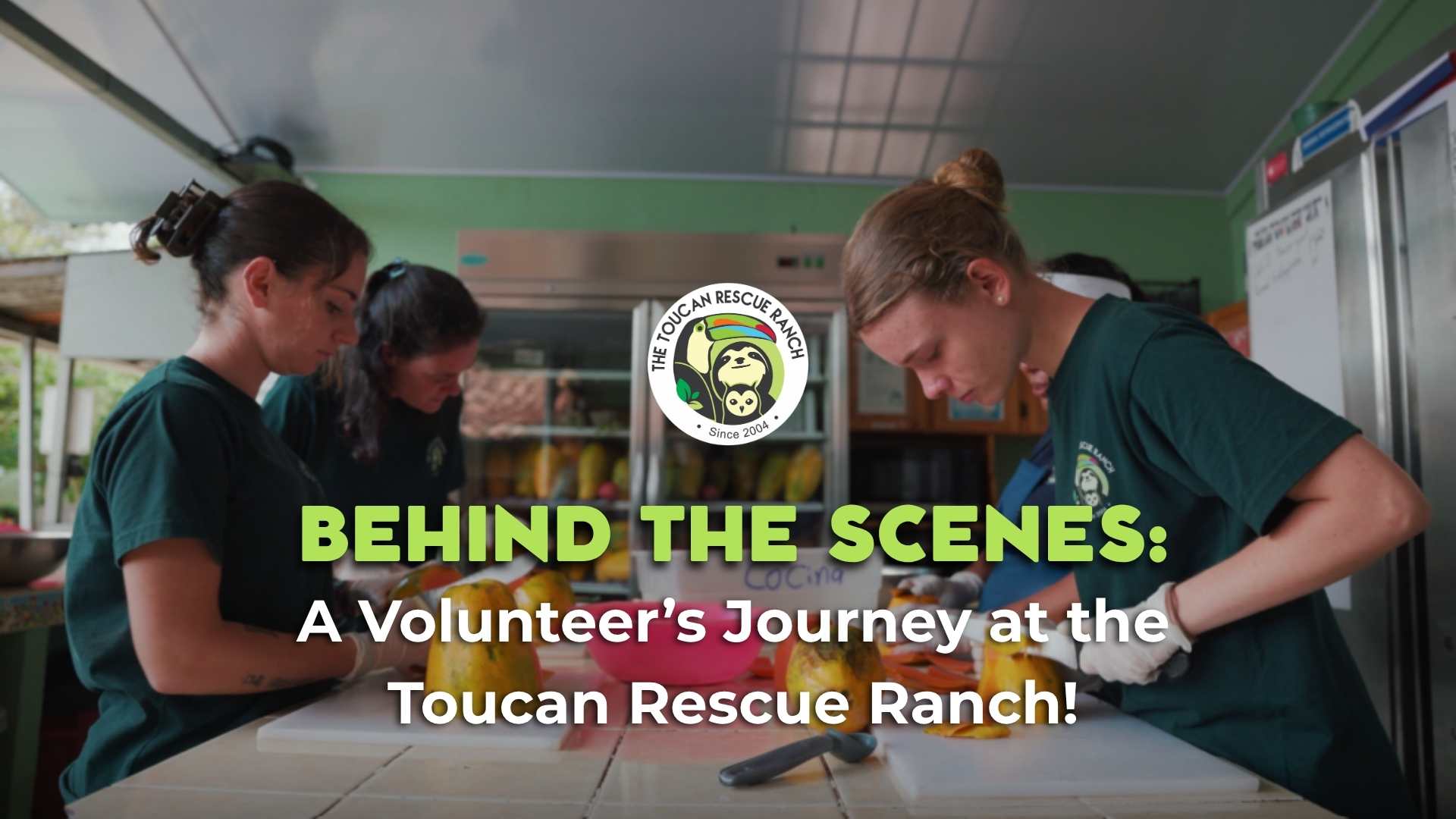
The day concludes with the feeding of the raptors and a final round of enclosure cleaning. The logistical tail of the operation involves the collection and sterilization of all feeding trays in the kitchen, ensuring that the facility is prepared for the next morning’s 07:00 start. The intensity of this schedule highlights the dedication required to manage a high-capacity rescue center where the needs of the animals dictate the rhythm of human activity.
The Volunteer Ecosystem: Infrastructure and Integration
The success of the Toucan Rescue Ranch’s volunteer program is supported by a dedicated infrastructure. The volunteer house, located approximately two minutes from the headquarters, serves as the primary residence for international interns and volunteers. The facility is designed to balance the need for communal interaction with the necessity of personal space.
The ground floor houses a dormitory and a private room, alongside a shared kitchen and living area that serves as a hub for social interaction. The upper floor is dedicated to long-term interns, with larger rooms and private bathrooms. This housing model is essential for creating a "second home" environment, which is particularly important for volunteers like Schafroth who travel from as far as Switzerland to contribute to the project. The proximity of the housing to the ranch allows for rapid response to animal emergencies while fostering a deep sense of community among the staff.
Beyond the ranch, volunteers are encouraged to integrate into the local culture. Trips into San José, visits to Chinatown, and exploring the local green surroundings provide a necessary reprieve from the demanding physical labor of animal care. This cultural exchange is a vital part of the "voluntourism" economy in Costa Rica, which contributes significantly to the national GDP.
Bridging Fieldwork and Professional Communications
In an era where non-profit success is tied to digital visibility, the integration of professional skills into volunteer roles is increasingly common. During her second month, Schafroth transitioned into the Marketing Team, leveraging her academic background in communications.
This shift illustrates a growing trend in conservation: the need for "science communication." By documenting field experiences and translating the daily realities of animal care into digital content, volunteers help secure the funding and public support necessary for the ranch’s survival. The ability to recognize individual animal personalities and respect their boundaries as wild animals is a narrative that resonates deeply with global donors, and Schafroth’s dual role allowed her to capture these nuances with authenticity.
Broader Impact and Conservation Implications
The Toucan Rescue Ranch serves as more than just a hospital for animals; it is an educational hub. The veterinary team conducts regular lectures for volunteers, elevating the experience from simple labor to a structured educational program. Participants learn the intricacies of wildlife medicine, the ethics of rehabilitation, and the importance of maintaining "wildness" in animals destined for release.
From a broader perspective, the work performed by volunteers like Schafroth supports Costa Rica’s national conservation goals. Since the 2012 legislation that banned the capture of wild animals for pets and the closure of state-funded zoos, the burden of care for confiscated or injured wildlife has shifted heavily toward private NGOs. The Toucan Rescue Ranch fills this critical gap in the environmental protection framework.
The experience of international volunteers also has long-term implications for global conservation. By fostering a deep, hands-on understanding of biodiversity in participants from Europe and North America, organizations like TRR are cultivating a global network of informed advocates. Schafroth’s reflection on her time in Costa Rica emphasizes the development of patience, teamwork, and independence—skills that are transferable to any professional environment but are forged with particular intensity in the high-stakes world of wildlife rescue.
As the Toucan Rescue Ranch continues to expand its reach, the contributions of dedicated individuals remain the cornerstone of its success. The integration of Swiss volunteers and other international participants ensures that the ranch remains a world-class facility, capable of giving Costa Rica’s wildlife a second chance at life in the wild.
