
Lafeber Company to Host Second Webinar in Critical Avian Neoplasia Series
Chicago, IL – Lafeber Company, a recognized leader in avian health and nutrition, is set to host the concluding segment of its vital two-part webinar series, "Avian Vet Insider – Avian Neoplasia, Part 2." Scheduled for Friday, May 8th, 2026, at 12:00 p.m. PST, this online educational event will delve deeper into the complexities of neoplastic disorders in avian species, building upon the foundational knowledge established in the first installment. The webinar will feature the expertise of Dr. Stephanie Lamb, a distinguished avian veterinarian, who will provide a comprehensive overview of various cancers affecting pet birds, including less common presentations.
This series addresses a growing concern within the avian veterinary community and among bird owners. Neoplasia, the development of tumors or abnormal growths, can significantly impact the health and lifespan of pet birds. While advancements in veterinary medicine have improved diagnostic and treatment options, understanding the nuances of avian cancers remains paramount for effective management and improved patient outcomes. Part 1 of the series, which covered common skin cancers and reproductive tract tumors, laid the groundwork for understanding these conditions. Part 2 promises to expand this knowledge base by exploring neoplastic diseases affecting other critical organ systems within the avian body, such as the gastrointestinal tract.
Understanding Avian Neoplasia: A Growing Veterinary Challenge
Avian neoplasia encompasses a wide spectrum of diseases, ranging from benign growths to aggressive malignancies. The specific types and prevalence of cancers can vary significantly depending on the species, age, genetics, and environmental factors of the bird. For instance, certain species are predisposed to specific types of tumors. African grey parrots, for instance, have been noted to have a higher incidence of certain neurological tumors, while Amazona parrots may be more susceptible to reproductive tract neoplasms. The aging of the pet bird population, a trend mirroring that of dogs and cats, also contributes to an increased likelihood of developing age-related cancers.
The first webinar in the series focused on cutaneous (skin) and reproductive tract neoplasms. Skin tumors can manifest in various ways, from benign papillomas to malignant squamous cell carcinomas, often affecting areas like the cere, eyelids, or legs. Reproductive tract tumors, particularly in unspayed female birds, can include ovarian and oviductal tumors, which can be challenging to diagnose and treat due to their location and the subtle nature of early symptoms.
Expanding the Scope: Gastrointestinal and Other Systemic Neoplasias
The upcoming "Avian Vet Insider – Avian Neoplasia, Part 2" webinar will broaden the discussion to encompass neoplastic conditions affecting other vital organ systems. A significant focus will be placed on the gastrointestinal (GI) tract. Tumors within the GI system can present a diagnostic and therapeutic challenge due to the intricate anatomy and rapid metabolism of birds. These can include tumors of the esophagus, proventriculus, ventriculus, small intestine, and cloaca. Symptoms associated with GI neoplasia can be varied and may include weight loss, changes in appetite, vomiting, diarrhea, or the presence of a palpable mass.
Beyond the GI tract, Dr. Lamb is expected to touch upon other less frequently encountered, yet critically important, avian cancers. This may include, but is not limited to, hepatic (liver), splenic (spleen), renal (kidney), respiratory, and lymphoid neoplasms. The complexity of diagnosing these internal tumors often requires advanced imaging techniques such as radiography, ultrasonography, and computed tomography (CT) scans, along with histopathological examination of tissue samples.
The Importance of Early Detection and Informed Management
While the diagnosis of cancer in a beloved pet bird can be a distressing experience for owners, a proactive approach centered on awareness and understanding can significantly improve outcomes. Dr. Lamb’s webinars aim to equip veterinarians and bird owners with the knowledge necessary to recognize potential signs of neoplasia, understand diagnostic pathways, and explore available treatment modalities.

The implications of informed management are profound. Early detection often correlates with a better prognosis, allowing for more effective treatment strategies and potentially longer periods of good quality of life for the affected bird. Treatment options for avian neoplasia can be diverse and are tailored to the specific type, location, and stage of the tumor, as well as the overall health of the bird. These may include surgical excision, chemotherapy, radiation therapy, and palliative care.
Background and Chronology of the Webinar Series
The "Avian Vet Insider" webinar series by Lafeber Company has established itself as a valuable resource for veterinary professionals and avian enthusiasts seeking in-depth knowledge on critical avian health topics. The decision to dedicate a two-part series to avian neoplasia reflects the increasing recognition of this disease entity within the field of avian medicine.
- Initial Announcement: The series was likely conceived and announced several months prior to the first webinar, allowing for planning and participant registration.
- Part 1 Broadcast: The first installment, focusing on skin and reproductive tract tumors, would have taken place in the preceding weeks or months, generating interest and anticipation for the continuation of the topic.
- Part 2 Scheduled Date: Friday, May 8th, 2026. This date provides a clear chronological marker for the conclusion of the series.
- Time Zone Consideration: The specified time of 12:00 p.m. PST is accompanied by a recommendation to use a time zone converter. This highlights the global reach of such online educational events and the need for participants to accurately ascertain local broadcast times. The inclusion of a direct link to a reputable time zone converter (timeanddate.com) demonstrates Lafeber Company’s commitment to accessibility for a worldwide audience.
Expertise of Dr. Stephanie Lamb
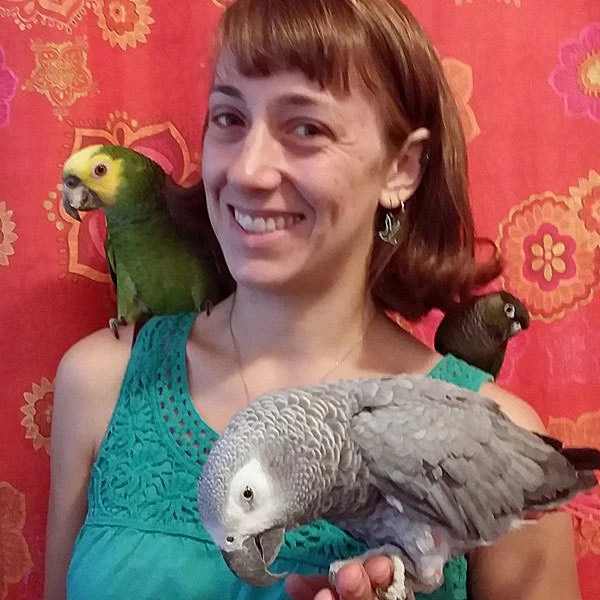
Dr. Stephanie Lamb is a recognized authority in avian medicine, bringing a wealth of knowledge and practical experience to the "Avian Vet Insider" series. Her image, prominently featured with two Amazon and African grey parrots, underscores her hands-on approach and deep connection with avian patients. Her expertise is crucial in demystifying complex oncological processes for a diverse audience, ranging from board-certified avian veterinarians to dedicated pet bird owners. The caption accompanying her photograph explicitly states the webinar’s objective: "Join us Friday, May 8th, 2026, for Part 2 of Dr. Stephanie Lamb discussion of common types of cancer that our birds can present and some of the rarer avian cancers." This reinforces the comprehensive nature of her presentation.
Supporting Data and Broader Impact
While specific statistics on the incidence of avian neoplasia are not always readily available in comprehensive, standardized databases akin to those for mammalian cancers, anecdotal evidence and clinical observations from veterinary practitioners consistently point to an increasing prevalence. Factors contributing to this trend include:
- Increased Lifespan of Pet Birds: Modern veterinary care and improved husbandry practices have led to significantly longer lifespans for many pet bird species. As birds age, they become more susceptible to the development of age-related diseases, including cancer. For example, large parrots like African Greys, Amazons, and Cockatoos can live for several decades, increasing their lifetime risk of developing neoplastic conditions.
- Improved Diagnostic Capabilities: Advancements in veterinary imaging (ultrasound, CT scans), laboratory diagnostics (blood work, cytology), and histopathology have made it easier to diagnose cancers that might have previously gone undetected or been misdiagnosed.
- Increased Owner Awareness and Engagement: As pet owners become more invested in the health and well-being of their avian companions, they are more likely to seek veterinary attention for subtle changes in behavior or physical condition, leading to earlier detection of diseases like cancer.
- Genetic Predispositions: Certain breeds or species of birds may have genetic predispositions to specific types of cancer. Continued research into avian genetics is crucial for understanding and potentially mitigating these risks.
The implications of this ongoing trend extend beyond individual bird health. For veterinarians, it necessitates continuous professional development in avian oncology, requiring specialized knowledge in diagnostics, surgery, internal medicine, and chemotherapy protocols adapted for avian physiology. For owners, it highlights the importance of regular veterinary check-ups, a keen observation of their bird’s behavior and physical condition, and a willingness to engage in potentially complex and costly treatment plans.
Official Responses and Future Outlook
Lafeber Company’s initiative in hosting such specialized webinars reflects a broader commitment within the veterinary community to elevate the standard of care for avian species. Organizations such as the Association of Avian Veterinarians (AAV) and the American College of Avian Veterinarians (ACAV) play a crucial role in setting standards, promoting research, and providing continuing education for avian specialists. Webinars like this one by Lafeber Company directly support these objectives by disseminating cutting-edge information to a wide audience.
The conclusion of this webinar series on avian neoplasia is anticipated to leave participants with a more robust understanding of this complex disease. It serves as a call to action for continued vigilance, education, and collaboration between veterinarians, researchers, and bird owners. As veterinary science advances, the ongoing dialogue and sharing of knowledge through platforms like these webinars will be instrumental in improving the lives of our feathered companions. The proactive approach taken by Lafeber Company in addressing this critical topic underscores their dedication to advancing avian health and well-being.
