
The Biochemical Mechanism of Thiosulphate Toxicity
The primary danger of feeding onions to chickens lies in the complex chemical interactions between thiosulphate and avian red blood cells. Unlike humans, who can process moderate amounts of Allium compounds with minimal side effects, chickens and several other domestic animals, including dogs and cats, lack the specific enzymes necessary to fully metabolize these oxidants. When a chicken consumes an onion, the thiosulphate is absorbed into the bloodstream, where it triggers oxidative damage to the hemoglobin within the red blood cells.

This oxidative stress leads to the formation of Heinz bodies—clumps of denatured hemoglobin that attach to the surface of the red blood cell. The presence of these bodies signals the bird’s spleen to identify the red blood cell as damaged or foreign. Consequently, the spleen removes these cells from circulation at a rate far exceeding the bone marrow’s ability to produce new ones. This process results in hemolytic anemia, a condition characterized by a drastic reduction in the blood’s oxygen-carrying capacity. As the red blood cell count plummets, the chicken’s internal organs begin to suffer from hypoxia, leading to systemic failure if the ingestion was substantial.
Clinical Symptoms and the Chronology of Ingestion
The progression of onion poisoning in poultry is often deceptive, as symptoms may not manifest immediately following consumption. The timeline of toxicity typically follows a specific clinical path:

- The Ingestion Phase (0–6 Hours): Immediately after consuming onions, shallots, or leeks, the bird may appear normal. Because onions are highly palatable to some birds, they may consume large quantities before the owner notices any behavioral changes.
- The Oxidative Phase (12–48 Hours): As thiosulphate enters the bloodstream, the internal destruction of red blood cells begins. During this window, the bird may show subtle signs of lethargy or a decrease in appetite.
- The Acute Symptomatic Phase (3–7 Days): This is when the most visible signs of hemolytic anemia appear. Owners may observe pale combs and wattles, which are usually vibrant red in healthy birds. The lack of oxygen leads to rapid, labored breathing (polypnea) and extreme weakness. Diarrhea is also a common secondary symptom as the body attempts to expel toxins.
- The Critical Phase (7 Days+): In cases of high-volume ingestion, jaundice (icterus) may occur due to the buildup of bilirubin from the destroyed red blood cells. Without veterinary intervention, the bird may collapse and die from respiratory failure or cardiac arrest.
Categorizing the Risks: Onions vs. Other Alliums
While the common bulb onion (Allium cepa) is the most cited culprit, the entire Allium family carries varying degrees of risk. Understanding the concentration of thiosulphate across different plants is essential for safe flock management.
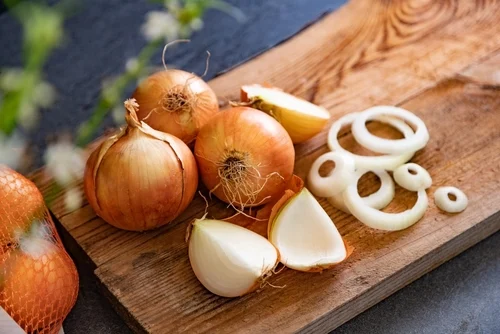
- Onions (Red, White, and Yellow): These contain the highest concentrations of the toxin. Both raw and cooked onions are dangerous, as the cooking process does not break down the thiosulphate compound.
- Shallots and Scallions: These are frequently used in salads and garnishes. Their smaller size does not equate to safety; they remain potent sources of oxidative toxins.
- Leeks and Chives: Often found in garden settings where chickens free-range, these plants pose a moderate risk. While chickens may naturally avoid them due to their pungent odor, hungry or curious birds may still ingest them.
- Garlic (Allium sativum): Garlic occupies a unique position in avian nutrition. While it does contain thiosulphate, the concentration is significantly lower than that found in onions. Furthermore, garlic contains allicin, a compound with documented antimicrobial and immune-boosting properties. Veterinary experts generally agree that while fresh garlic should be fed in strict moderation, processed garlic powder often contains negligible amounts of the toxin, making it a popular supplement for respiratory health and parasite control.
Supporting Data and Veterinary Perspectives
Research into avian hematology suggests that the threshold for toxicity varies based on the breed, age, and overall health of the bird. A study frequently cited by avian practitioners indicates that even a small amount of onion—roughly 0.5% of a bird’s body weight—can be enough to trigger the onset of Heinz body formation. For a standard five-pound hen, this equates to less than half an ounce of onion.

Dr. Rachel Horvat, a specialist in exotic animal medicine, notes that the cumulative effect of low-level ingestion is often overlooked. "Many owners believe that because their chickens ate a few scraps of onion once without dying, the food is safe," Horvat states. "In reality, the birds may be suffering from chronic, sub-clinical anemia that reduces their egg-laying capacity and leaves them more susceptible to common pathogens like Coccidiosis or Mareks disease."
The consensus among the American Society for the Prevention of Cruelty to Animals (ASPCA) and specialized organizations like ChickenDVM is clear: the potential benefits of feeding onions (such as trace minerals) are entirely outweighed by the risks of blood disorders.

The Garlic Paradox: Benefits vs. Risks
The debate over garlic in the poultry community highlights the nuance required in animal husbandry. Many seasoned poultry keepers use garlic as a natural "dewormer" or to improve the flavor and health profile of eggs. Scientific analysis supports the idea that garlic can enhance the immune system by stimulating the production of white blood cells.
However, the distinction between "supplementation" and "feeding" is vital. When garlic is used as a supplement—often at a ratio of one clove per gallon of water or a teaspoon of powder per pound of feed—the thiosulphate levels remain well below the toxic threshold. The risk arises when fresh garlic is offered as a primary treat or in large, undiluted quantities.

Broader Implications for the Backyard Poultry Industry
The rise of the "farm-to-table" movement and the increase in urban farming have led to a resurgence in backyard chicken keeping. This trend has significant economic and ecological implications. Households that keep chickens often do so to reduce food waste; however, the lack of standardized education on avian nutrition can lead to accidental flock loss.
From an economic perspective, the loss of a laying hen due to preventable poisoning represents a loss of investment. Beyond the initial cost of the bird, the owner loses months of egg production and the labor invested in raising the animal to maturity. Furthermore, for those who sell eggs commercially, the ingestion of Alliums can lead to "off-flavors" in the eggs. The sulfur compounds in onions and garlic are known to transfer through the hen’s digestive system into the yolk, resulting in eggs that may have an undesirable metallic or onion-like taste, potentially damaging the producer’s reputation.

Safe Alternatives and Nutritional Best Practices
To ensure the longevity and productivity of a flock, owners are encouraged to replace Alliums with safer, nutrient-dense kitchen scraps. The following items provide excellent enrichment without the risk of thiosulphate poisoning:
- Leafy Greens: Kale, Swiss chard, and spinach are high in calcium and Vitamin K, which supports bone health and eggshell quality.
- Cucurbits: Pumpkins, squash, and cucumbers are highly hydrating and contain seeds that act as natural enrichment for the birds.
- Grains and Legumes: Cooked lentils, oats, and quinoa provide essential proteins and carbohydrates.
- Berries: Blueberries and strawberries are rich in antioxidants, which help combat the same oxidative stress that toxins like thiosulphate induce.
Conclusion
The evidence regarding the toxicity of onions for chickens is definitive and grounded in the fundamental principles of avian biology. While the Allium family is a staple of the human diet, its chemical makeup is fundamentally incompatible with the red blood cell structure of poultry. By maintaining a strict "no-onion" policy and exercising caution with related plants like leeks and chives, poultry keepers can protect their flocks from the debilitating effects of Heinz body anemia. As the backyard poultry movement continues to expand, the dissemination of accurate, science-based nutritional information remains the most effective tool in ensuring the health and welfare of domestic birds.
