
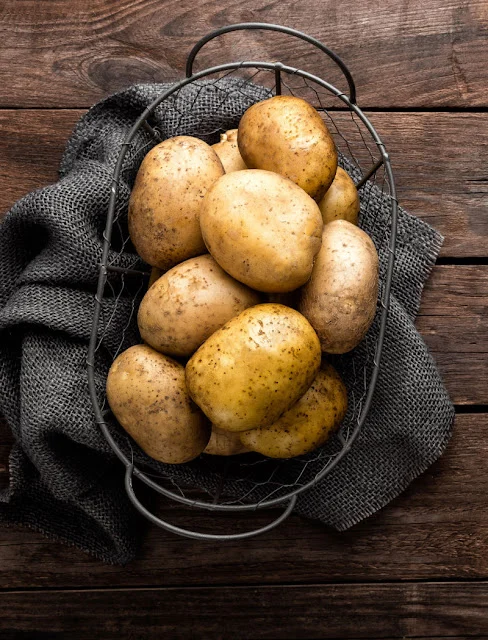
The intersection of backyard poultry management and sustainable food waste reduction often leads to questions regarding the safety of common household scraps, particularly tubers like potatoes. While chickens are opportunistic omnivores capable of processing a diverse range of organic matter, the botanical classification of a potato determines whether it serves as a nutrient-dense supplement or a potential source of glycoalkaloid poisoning. Agricultural experts and avian nutritionists emphasize that the term "potato" covers three distinct plant families: the nightshades, the morning glories, and the lilies. Understanding the chemical composition and physiological impact of these plants is critical for maintaining flock health and ensuring the quality of egg production.

The Biochemical Profile of White Potatoes and the Solanine Risk
White potatoes, along with red, yellow, and Russet varieties, belong to the Solanaceae or nightshade family. This family also includes tomatoes, eggplants, and peppers. The primary concern for poultry keepers regarding white potatoes is the presence of solanine, a bitter-tasting glycoalkaloid poison. Solanine serves as a natural pesticide for the plant, protecting it from herbivores and insects. In chickens, solanine acts as both a neurotoxin and a gastrointestinal irritant.
The concentration of solanine is not uniform throughout the plant. The highest levels are found in the green portions of the tuber—caused by exposure to sunlight—as well as the eyes, sprouts, skins, and the aerial parts of the plant, including the vines, leaves, and flowers. When a chicken ingests solanine, the toxin can lead to a range of clinical symptoms. Mild cases may present as lethargy, loss of appetite, and diarrhea. In more severe instances, the neurotoxic effects manifest as paralysis, respiratory distress, and eventual heart failure.

A common misconception among hobbyist farmers is that the process of cooking neutralizes the toxins in white potatoes. Scientific analysis indicates that while high-heat methods, such as baking or frying at temperatures exceeding 400 degrees Fahrenheit, can partially degrade solanine, boiling has a negligible effect on the toxin levels. Because solanine is heat-stable in water, the toxin remains in the flesh and skin of the potato even after it has been softened. Furthermore, glycoalkaloids are cumulative toxins; while a single feeding may not result in immediate mortality, the long-term accumulation of these compounds can cause chronic organ damage and a weakened immune system in the flock.
Sweet Potatoes: The Nutritional Exception
In contrast to the white potato, the sweet potato (Ipomoea batatas) belongs to the Convolvulaceae or morning glory family. This botanical distinction is vital because sweet potatoes do not contain solanine. Consequently, every part of the sweet potato plant—including the roots, skins, stems, and leaves—is considered safe for avian consumption.

From a nutritional standpoint, sweet potatoes are categorized as a "superfood" for poultry. They are significantly denser in essential micronutrients compared to their nightshade counterparts. Sweet potatoes are a primary source of beta-carotene, which the chicken’s body converts into Vitamin A. This nutrient is essential for maintaining the health of mucosal membranes and is a key factor in the pigmentation of egg yolks, often resulting in the deep orange color prized by consumers.
Additional nutritional benefits of sweet potatoes include:

- Vitamin C and E: Potent antioxidants that support the immune system and help the flock manage heat stress.
- Vitamin B6 and Potassium: Crucial for metabolic function, muscle contraction, and nervous system health.
- Manganese and Fiber: Supports bone development and efficient digestion.
Because sweet potatoes are lower in simple carbohydrates and higher in fiber than white potatoes, they provide a more sustained energy release, making them an excellent supplemental feed during the colder months when chickens require more calories to maintain body temperature.
The Yam Classification and Oxalic Acid Considerations
True yams, belonging to the Dioscoreaceae (lily) family, are often confused with sweet potatoes in North American markets. While yams are generally safe for chickens, they require specific preparation. Raw yams contain various plant proteins and tannins that can be difficult for poultry to digest and may even be mildly toxic in their uncooked state.

Furthermore, yams contain oxalic acid, a naturally occurring compound also found in spinach and beet greens. In high concentrations, oxalic acid interferes with calcium absorption by binding with the mineral to create calcium oxalates. For laying hens, calcium is the most critical mineral in their diet; a deficiency or an inability to process calcium can lead to thin or soft-shelled eggs, as well as osteoporosis (cage layer fatigue) in the birds themselves. Therefore, while cooked yams can be a beneficial source of Vitamin B5 and potassium, they should be fed in moderation to avoid disrupting the delicate calcium-phosphorus balance required for eggshell calcification.
Chronology of Toxin Development in the Garden
For poultry keepers who allow their flocks to forage in garden spaces, understanding the lifecycle of the potato plant is essential for risk mitigation.

- Planting and Growth: During the vegetative stage, white potato vines and leaves are highly toxic. Chickens should be fenced out of potato patches to prevent them from grazing on the foliage.
- Light Exposure: As tubers grow, they may break the surface of the soil. Exposure to ultraviolet light triggers chlorophyll production (turning the potato green) and a simultaneous spike in solanine production. These "green potatoes" represent the highest risk to livestock.
- Harvest and Storage: Post-harvest, potatoes must be stored in dark, cool environments. If stored potatoes begin to sprout (grow "eyes"), the solanine levels increase dramatically in those areas.
- Decay and Mold: Any tuber—white potato, sweet potato, or yam—that begins to rot or develop mold should be discarded entirely. Moldy food can contain mycotoxins, which are often fatal to birds due to their sensitive respiratory and digestive systems.
Comparative Analysis of Tuber Safety for Poultry
To assist farmers in decision-making, the following data summarizes the safety profiles of the three primary tubers:
| Tuber Type | Plant Family | Primary Toxin | Safe Parts (Raw) | Safe Parts (Cooked) | Nutritional Value |
|---|---|---|---|---|---|
| White Potato | Solanaceae | Solanine | None | Flesh (Limited) | Moderate Starch |
| Sweet Potato | Convolvulaceae | None | All | All | High (A, C, B6) |
| Yam | Dioscoreaceae | Oxalic Acid | None | Flesh (Peeled) | High (B5, Fiber) |
The 10 Percent Rule and Dietary Management
Regardless of the nutritional value of a treat, agricultural extensions recommend that supplemental foods should never exceed 10% of a chicken’s total daily intake. A standard laying hen consumes approximately 1/4 pound of feed per day; therefore, treats should be limited to about one tablespoon per bird.

The primary diet of a domestic chicken should consist of a balanced commercial feed formulated to meet their specific life-stage requirements (starter, grower, or layer). Over-reliance on scraps like potatoes or yams can lead to protein dilution. While tubers provide carbohydrates and vitamins, they lack the concentrated amino acids (such as methionine and lysine) necessary for feather production and egg synthesis.
Broader Implications for Flock Health and Sustainability
The move toward feeding kitchen scraps to poultry is part of a larger global trend toward circular economies and reducing food waste. However, the professional consensus among veterinarians is that sustainability must not come at the cost of animal welfare.

The invisible damage caused by glycoalkaloids in white potatoes can lead to "unexplained" flock losses or a general decline in productivity. By substituting white potato scraps with sweet potato trimmings, homesteaders can provide a safer, more nutrient-dense environment for their birds. This practice not only protects the birds from acute poisoning but also enhances the nutritional profile of the eggs produced, creating a healthier food source for the human keepers as well.
In summary, the safest protocol for a backyard flock is to strictly avoid all parts of the white potato plant. If a keeper chooses to provide white potatoes, they must be fully ripe (no green), peeled, and thoroughly baked. Conversely, sweet potatoes offer a risk-free, highly beneficial alternative that supports the biological needs of the modern chicken. Yams serve as an acceptable middle ground, provided they are cooked and offered as an occasional treat rather than a dietary staple. Through informed botanical identification and careful preparation, poultry enthusiasts can turn their kitchen waste into a valuable resource for a thriving, healthy flock.
