
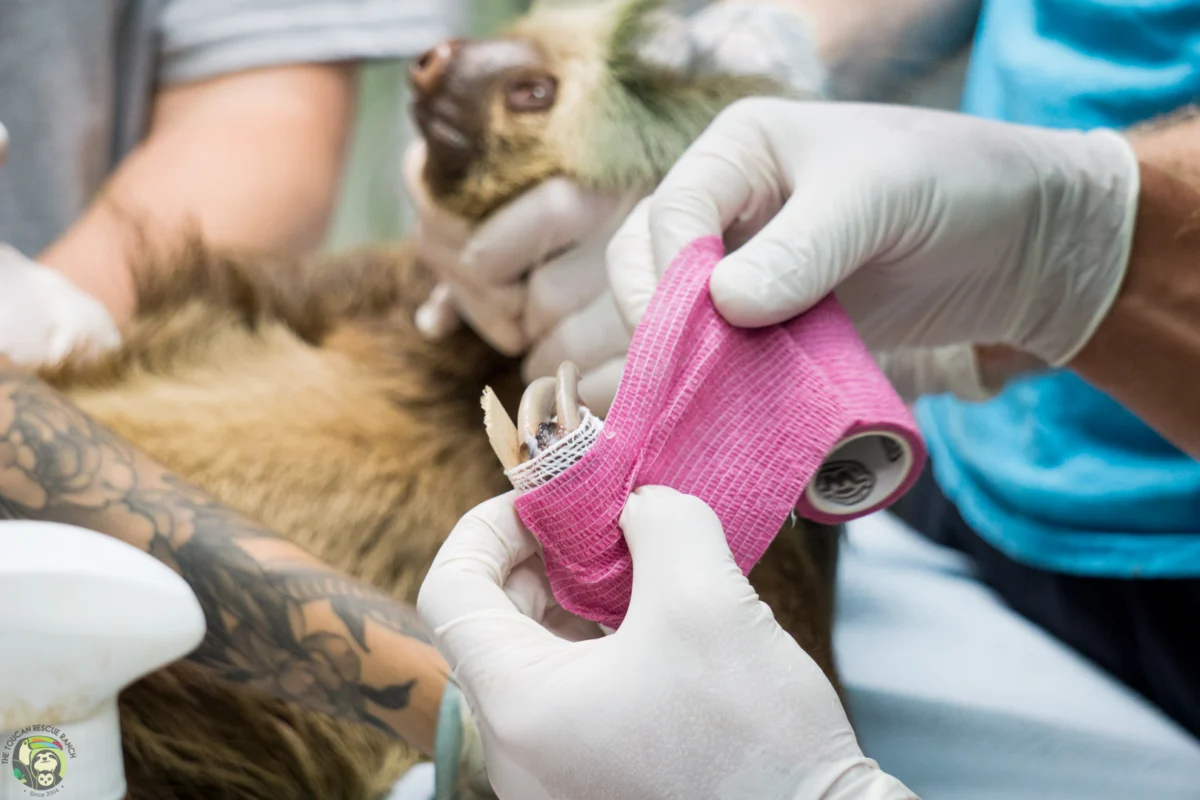
The Toucan Rescue Ranch (TRR), a prominent wildlife rescue, rehabilitation, and release facility in Costa Rica, has issued a comprehensive call for international support to bolster its ongoing efforts in protecting the nation’s diverse fauna. As the organization expands its operations to address the increasing number of injured and orphaned animals, it is highlighting the critical role that supply donations play in its day-to-day survival and long-term success. From the specialized care required for orphaned three-toed sloths to the complex surgical interventions needed for injured keel-billed toucans, the demand for medical and maintenance supplies has reached a pivotal point. To streamline this process, TRR has optimized its digital wish lists and provided a detailed logistical roadmap for donors to navigate the complexities of international shipping to Central America.
The Critical Role of Wildlife Rehabilitation in Costa Rica
Costa Rica is home to nearly 6% of the world’s biodiversity, a staggering statistic considering its relatively small landmass. However, this biological wealth faces constant threats from urbanization, power line electrocutions, road accidents, and the illegal pet trade. Organizations like the Toucan Rescue Ranch serve as the front line of defense, providing a second chance for animals that would otherwise perish. Founded in 2004, TRR has evolved from a small rescue center for birds into a world-renowned facility that handles a vast array of species, including primates, felines, and reptiles.
The rehabilitation process is a resource-intensive endeavor. It begins with the stabilization of the animal in a clinical setting, often requiring specialized veterinary equipment and medications. Following stabilization, animals enter a rehabilitation phase where they must regain their natural instincts, often in large enclosures that require constant maintenance and enrichment. The final and most crucial stage is the release, where animals are transitioned back into the wild at protected sites. Each of these stages depends heavily on a consistent influx of supplies, ranging from surgical gloves and antiseptic solutions to heavy-duty tools for habitat construction.
Navigating the Logistical Challenges of International Giving
One of the primary hurdles for international NGOs operating in Costa Rica is the logistical difficulty of receiving physical goods from overseas. The Costa Rican postal system often presents challenges for non-profit organizations, including unpredictable delivery timelines and complex customs regulations that can lead to significant delays or lost packages. To mitigate these risks, the Toucan Rescue Ranch has outlined a multi-tiered strategy for donors to ensure their contributions reach the animals in need.
The most effective and highly recommended method for delivering supplies is through the "hand-carry" system. Travelers planning to visit Costa Rica for internships, volunteer programs, or educational tours are encouraged to utilize their checked luggage for donations. This method bypasses the complications of the postal service entirely, ensuring that high-priority items arrive safely and are immediately available for use. This "pack for a purpose" approach has become a cornerstone of TRR’s supply chain, turning every visitor into a vital link in the conservation effort.
For those unable to travel, the organization has established a partnership with a board member in Knoxville, Tennessee. This U.S.-based warehouse serves as a collection point for items purchased through American retailers. While this option offers a convenient domestic shipping destination for U.S. donors, TRR notes that the final leg of the journey from Tennessee to Costa Rica remains subject to logistical coordination and the availability of travelers or specialized freight.
In cases where direct shipping to Costa Rica is necessary, the organization strictly recommends the use of DHL. Unlike standard mail services, DHL provides a level of tracking and reliability that is essential for high-value medical supplies. However, due to the high costs associated with international courier services and potential import duties, the organization continues to emphasize that personal delivery remains the most cost-effective and efficient route.
Strategic Resource Allocation: Priority Needs for Conservation
To guide donors, the Toucan Rescue Ranch has curated specialized wish lists on platforms like Amazon and Cuddly. These lists are not merely a collection of general items but are strategically organized to reflect the urgent needs of various departments within the ranch.
High-priority items often focus on the clinical and neonatal departments. For orphaned sloths, which are among the most frequent arrivals at the ranch, specialized milk replacers and nutritional supplements are non-negotiable requirements for survival. In the veterinary clinic, items such as nebulizers, digital scales, and specialized surgical instruments are constantly in demand to treat the influx of trauma cases.
Medium-priority items typically involve habitat maintenance and animal enrichment. This includes heavy-duty cleaning supplies to maintain hygiene standards and prevent the spread of zoonotic diseases, as well as tools like drills and saws used by the maintenance team to repair enclosures. Enrichment items, such as sturdy toys or feeding puzzles, are also vital for the mental well-being of animals in long-term rehabilitation.
Lower-priority but still essential items include administrative and office supplies. While less "glamorous" than medical tools, these items are the backbone of the organization’s ability to document rescues, manage volunteer schedules, and coordinate the complex data required for the Costa Rican Ministry of Environment and Energy (MINAE).
Financial Transparency and the Impact of Tax-Deductible Contributions
As a registered 501(c)(3) nonprofit in the United States and a recognized foundation in Costa Rica, the Toucan Rescue Ranch operates under a high standard of financial transparency and accountability. For American donors, contributions of goods and funds are tax-deductible, providing a fiscal incentive to support international conservation. This dual-registration status allows the organization to bridge the gap between North American philanthropic resources and Central American ecological needs.
The economic reality of wildlife rescue is that it is a costly endeavor with no direct revenue stream from the "patients" themselves. Unlike traditional veterinary clinics, rescue centers cannot charge for their services. Therefore, the sustainability of the ranch is entirely dependent on donations, grants, and the revenue generated from its educational tours and guesthouse. By donating physical supplies, supporters allow the ranch to redirect its limited cash reserves toward critical expenses that cannot be "shipped," such as electricity for incubators, fuel for rescue vehicles, and the salaries of the dedicated Costa Rican staff and veterinary team.
The Broader Implications of Global Support
The success of the Toucan Rescue Ranch has implications that extend far beyond the borders of its facilities in Heredia and Sarapiquí. The data collected during the rehabilitation of species like the silky anteater or the emerald toucanet contributes to a broader understanding of wildlife health and population dynamics in the region. Furthermore, the release of rehabilitated animals back into the wild helps maintain the ecological balance of Costa Rica’s rainforests, which are essential for carbon sequestration and global climate stability.
The "family" model adopted by TRR—where donors, volunteers, and staff are seen as a unified team—demonstrates a modern approach to conservation. It recognizes that the protection of endangered species is not the sole responsibility of the country where those species reside, but a global imperative. When a donor in Europe or North America sends a package of specialized bandages or a bottle of vitamins, they are participating in a trans-border effort to preserve the planet’s biological heritage.
A Call to Action for Future Conservationists
The Toucan Rescue Ranch continues to invite the global community to take an active role in its mission. Whether through the purchase of a single item on a wish list or the coordination of a large-scale donation drive, every contribution has a measurable impact on the survival rates of Costa Rica’s wildlife. The organization’s transparent communication regarding its logistical challenges and priority needs ensures that every donation is used effectively.
As human-wildlife conflict continues to rise due to environmental pressures, the role of facilities like TRR becomes increasingly vital. The support of the international community through supply donations is more than just a charitable act; it is a necessary investment in the resilience of one of the world’s most important ecosystems. Through the collective generosity of the "TRR family," the ranch remains a beacon of hope for the sloths, toucans, and countless other species that call the Costa Rican rainforest home.
