
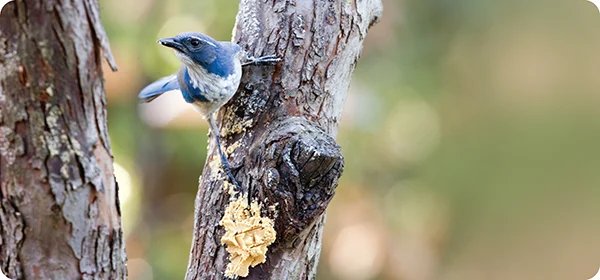
The tradition of "feasting" is often associated with celebratory gatherings, marked by abundant meals and shared experiences, a sentiment deeply rooted in human culture and particularly resonant during occasions like Thanksgiving. This period, characterized by an emphasis on gratitude and communal dining, presents an opportunity to extend this spirit of generosity beyond our immediate human circles, including our avian neighbors. Wild Birds Unlimited (WBU) Inc. is highlighting this connection, suggesting that the act of providing for backyard birds can be viewed as a form of feasting for them, enriching our own holiday experiences and fostering a deeper appreciation for the natural world.
The Essence of a Feast: Human and Avian Perspectives
At its core, a feast is defined as the consumption of an elaborate meal, often accompanied by entertainment, to commemorate a special event. For many, Thanksgiving embodies this definition: a table laden with seasonal delicacies, shared with loved ones, and punctuated by activities ranging from games and hikes to watching sports. WBU Inc. proposes that this convivial atmosphere can be extended to the feathered visitors in our backyards. By treating birds with the same care and consideration we afford to family and friends during these festive times, we can create a reciprocal experience of abundance and joy.
This perspective encourages individuals to consider the "menu" and "table settings" for their avian guests. A clean feeder, fresh water, and high-quality food offerings are presented as the avian equivalent of an impeccably set table. The article suggests a diverse and appealing selection of foods that can transform a simple bird feeder into a veritable banquet.
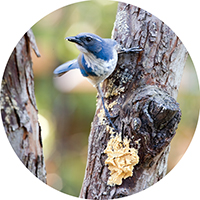
Curating the Avian Menu: A Culinary Guide for Birds
The foundation of a successful "avian feast" begins with staple offerings. WBU Inc. recommends a high-quality seed blend, a consistent source of energy and nutrients for a wide variety of bird species. Complementing this, suet is highlighted as a crucial high-fat food, particularly beneficial during colder months when natural food sources become scarce. Nyjer® seed, known for its appeal to finches and other small seed-eaters, adds another layer of culinary diversity.
Beyond these essentials, the article suggests introducing more specialized treats to elevate the dining experience. Peanuts, whether whole or in pieces, are a rich source of protein and fat, attracting a broad spectrum of birds, including jays, woodpeckers, and chickadees. Bark Butter® products, a proprietary WBU offering, are lauded for their versatility and palatability, attracting insectivorous birds that might not typically visit feeders for seeds or suet. Specialty seed blends, such as the Winter SuperBlend®, are designed to offer a comprehensive nutritional profile tailored for the demands of colder weather, ensuring birds have the energy reserves needed to survive and thrive.
The implication of offering such a varied menu is twofold: it caters to the specific dietary needs and preferences of different bird species, thereby increasing the biodiversity of visitors to one’s backyard, and it transforms the act of bird feeding into a more engaging and rewarding hobby. This elaborate offering, in turn, provides a source of entertainment for the human observers, as a greater variety and number of birds are attracted to the abundant food.
Beyond the Plate: The Broader Impact of Avian-Friendly Practices
The concept of "feasting with feathered friends" extends beyond simply providing food. It encompasses a holistic approach to supporting bird populations, particularly in the context of human activities that can impact their habitats. The article subtly introduces the idea of responsible consumption by linking the enjoyment of holiday treats with a call to action for supporting bird conservation.

A poignant example is the recommendation to enjoy shade-grown, bird-friendly coffee alongside a slice of pumpkin or apple pie. This connection is not arbitrary; shade-grown coffee farms are crucial for the survival of many migratory songbirds. These farms preserve the forest canopy, providing essential habitat and stopover points for birds like warblers, vireos, and thrushes that travel thousands of miles between their breeding grounds in North America and their wintering grounds in the tropics. By choosing coffee cultivated under such conditions, consumers directly contribute to the preservation of these vital ecosystems, supporting the migratory journeys of over 42 species of North American migratory songbirds. This act transforms a personal indulgence into a tangible contribution to conservation efforts.
Expanding the Circle of Gratitude: Simple Actions for Bird Welfare
The article further emphasizes that extending gratitude to birds can manifest in simple, actionable steps. It directs readers to a resource listing "7 Simple Actions" to help birds, implying that these actions are practical, accessible, and impactful. While the specific actions are not detailed within the provided text, this reference suggests a commitment to educating the public on broader bird conservation strategies that go beyond backyard feeding. These might include providing clean water sources year-round, maintaining suitable nesting sites, reducing pesticide use, and participating in citizen science initiatives that monitor bird populations.
Deepening Understanding Through Multimedia Resources
To further engage enthusiasts and deepen their understanding of backyard bird feeding and conservation, WBU Inc. points to its "Nature Centered" podcast. Specifically, an episode titled "Feasting with Feathered Friends" is highlighted as a valuable resource. This podcast, featuring experts John and Brian, is designed to offer insights into attracting a diverse array of bird species to the backyard. Such multimedia content serves to demystify bird feeding, provide practical advice, and foster a more profound connection between individuals and the natural world. The podcast format allows for a more conversational and in-depth exploration of the topic, likely covering topics such as bird identification, seasonal feeding strategies, and the ecological importance of backyard habitats.
The Significance of Brand and Expertise
Wild Birds Unlimited (WBU) Inc., as the source of this article, is positioned as a leader in the field of backyard bird feeding. The company’s extensive franchise system, with over 350 locations across the United States and Canada, underscores its commitment to bringing people and nature together. Their specialization in nature products, expert advice, and educational events suggests a long-standing dedication to fostering a community of informed and engaged bird enthusiasts. The mention of their podcast and website reinforces this commitment to education and accessibility.
The registered trademark status of Nyjer® by the Wild Bird Feeding Institute also indicates a level of established credibility and commitment to quality within the bird feeding industry. This detail, while specific, adds to the overall impression of WBU Inc. as a knowledgeable and reliable source of information and products.
Implications and Broader Context
The article’s message resonates particularly strongly during the fall and winter months, periods often associated with increased bird migration and the challenges of finding adequate food and shelter. By framing bird feeding as a "feast," WBU Inc. taps into the human desire for celebration and abundance, translating it into a beneficial practice for wildlife. This approach can be seen as a form of environmental education, subtly encouraging a more mindful and sustainable relationship with nature.
The emphasis on "entertaining and informative experts" in the podcast, and the suggestion to attract a "widest cast of characters" to the backyard, highlights the hobby’s potential for continuous learning and discovery. This framing encourages individuals to see their backyard not just as a space for passive observation, but as a dynamic ecosystem that can be actively nurtured and enjoyed.
Furthermore, the implicit connection between coffee consumption and bird conservation highlights the interconnectedness of global ecosystems and human choices. This concept, often explored in environmental studies, is presented here in an accessible manner, suggesting that even small, everyday decisions can have a significant impact on wildlife populations far beyond our immediate surroundings. The article’s call to action, by referencing external resources like Cornell Lab of Ornithology’s "7 Simple Actions," signals a broader commitment to supporting bird welfare initiatives and encourages readers to engage with established conservation organizations.

In essence, "Feasting with Our Feathered Friends" is more than just a suggestion for holiday bird feeding; it is an invitation to embrace a philosophy of generosity, ecological awareness, and continuous learning, all centered around the simple yet profound act of caring for the birds that share our environment. It underscores the idea that by enriching the lives of our feathered companions, we, in turn, enrich our own human experience.
