
The Bioenergetics of Avian Flight: Carbohydrates vs. Fats
The digestive system of a racing pigeon is a highly efficient processor of raw materials. When a bird consumes traditional grains such as maize, wheat, and peas, its system converts the carbohydrates into animal proteins and glycogen. This glycogen is subsequently stored in the liver and the pectoral muscles, serving as the primary "gasoline" for the bird’s internal engine. In metabolic terms, the combustion of one gram of glycogen yields approximately 4.1 calories of energy.
However, the "glycogen tank" in a pigeon is limited. During marathon races or strenuous flights against headwinds, this reservoir can be depleted before the bird reaches its loft. When glycogen reserves are exhausted, the pigeon enters a catabolic state, beginning to metabolize its own body proteins. Since protein also yields 4.1 calories per gram, the energy output remains the same, but the physical cost is devastating. The bird literally consumes its own muscle tissue to stay airborne. In extreme cases, pigeons return to the loft in an emaciated state, reduced to little more than "feathers and bones."
To prevent this physiological breakdown, nutritional experts emphasize the transition to a fat-based energy model. Fat possesses a significantly higher caloric density than carbohydrates or proteins. One gram of fat provides a pigeon with 9.3 calories—approximately 2.33 times the energy output of glycogen. By shifting the bird’s primary fuel source to high-fat feed before a race, fanciers can ensure that the bird arrives home in excellent physical condition, maintaining its roundness and muscle mass because it burned fat stores rather than its own structural proteins.
Comparative Nutritional Profiles and Seed Analysis
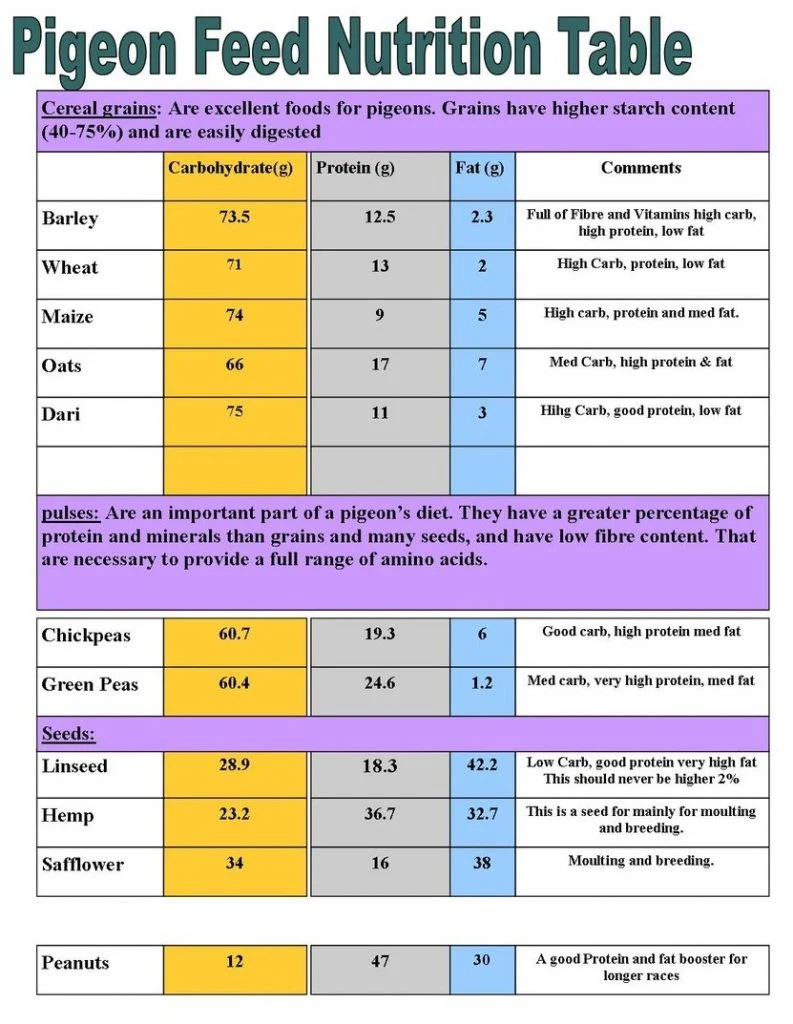
To achieve the necessary fat loading, fanciers have historically experimented with various oil-rich seeds. The nutritional landscape of common pigeon feeds reveals a wide disparity in fat content, which dictates how they should be used in a training and racing regimen. Standard maize contains roughly 4% fat, while rolled oats offer a slightly higher 7%. While these are adequate for maintenance and short-distance flights, they fall short for marathon events.
When the racing calendar shifts to long-distance "marathon" races where birds are airborne for an entire day or more, high-oil seeds become essential. The following data highlights the fat content of these specialized seeds:

- Sunflower seeds: 28% fat
- Hempseed: 32% fat
- Linseed: 34% fat
- Rapeseed: 42% fat
While these seeds are often viewed as "treats" by casual observers, in the context of professional pigeon racing, they are strategic tools. Research conducted in the United Kingdom has further validated this, demonstrating that performance improves markedly when feed is enriched with fats, specifically through the addition of corn oil (up to 5% of the total mixture).
The Peanut: A First-Class Fuel for Racing Engines
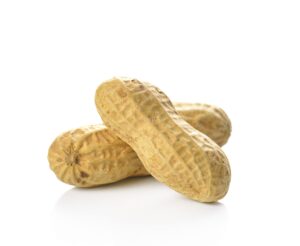
Among all high-energy supplements, the peanut stands out as a premier fuel source. Characterized by its thin brown skin and high oil content, the peanut offers a unique combination of energy and protein. With a protein content of approximately 30%, it is surpassed only by the soybean in terms of protein density, making it significantly more nutritious than maize or wheat.
The caloric efficiency of peanuts is such that 5.7 grams of peanuts provide the same energy value as 10 grams of a standard grain mixture. Theoretically, a pigeon could survive on half its usual ration if fed exclusively on peanuts. This was famously demonstrated in the post-war era by Eduard Pape, a port laborer in Hamburg. Due to his access to peanuts from local oil mills and a shortage of traditional grain, Pape fed his pigeons a diet consisting almost entirely of peanuts. The results were telling: his birds achieved exceptional racing results, particularly in difficult, long-distance events, proving that high-fat, high-protein density is a viable alternative to bulk carbohydrate feeding.
Implementation Strategies in the Loft
Introducing peanuts into a pigeon’s diet requires a methodical approach. Birds are often wary of unfamiliar feeds, making the winter months the ideal time for dietary transition. Once accustomed to the taste, pigeons often prioritize peanuts over all other feed, a behavior that fanciers can leverage for training and taming.
Leading practitioners, such as Dr. Meyer, advocate for specific preparation methods to ensure equitable distribution of nutrients. Using a kitchen machine to break peanuts into three or four pieces prevents "fast eaters" or more aggressive birds from consuming a disproportionate share. This ensures that even the less aggressive racers—who are often the most talented—receive their required energy intake.
Breeding and Weaning Applications
The nutritional profile of the peanut closely mirrors that of "crop milk," the protein- and fat-rich substance parents produce for their young. Consequently, peanuts are an ideal supplement for nest-raised pigeons. Dr. Meyer recommends providing 5-10 grams of peanut pieces to breeding pairs, particularly between the sixth and twelfth day of the squabs’ lives, when they transition from mush to rough feed. Furthermore, using peanuts as a reward for weaned young birds creates a strong psychological bond, ensuring they "trap" or enter the loft quickly upon returning from a flight—a critical factor in competitive racing where seconds matter.
The Widowhood System and Motivation
In the widowhood system—a common racing method where males and females are kept separate to increase their motivation to return home—peanuts serve a dual purpose: nutrition and psychological incentive.
- For Widowers: The anticipation of receiving peanuts in their individual nest boxes encourages birds to enter the loft immediately after exercise. This "hand-feeding" process allows the fancier to monitor individual condition and provide extra rations to birds that may have lost weight during a previous race.
- For Widowhood Hens: Managing the energy levels of hens is more delicate, as overfeeding can lead to unwanted egg-laying or "lesbian" behavior among females. However, strategic peanut feeding on the day of basketing ensures they have the energy for the race without reaching the threshold that triggers reproductive hormones. This method has allowed some fanciers to race hens for 14 consecutive weeks with high reliability and speed.
Environmental Considerations and Race Preparation
A sophisticated feeding strategy must account for meteorological conditions. The "one size fits all" approach to feeding is increasingly being replaced by weather-contingent adjustments.
- Headwinds: When forecasts indicate a strenuous flight against the wind, fanciers increase the peanut portion significantly to provide the long-burning fat reserves necessary for a "power flight."
- Tailwinds: Conversely, if a fast race with tailwinds is expected, peanuts are fed sparingly to prevent the birds from becoming too heavy or overly energetic, which can lead to overshooting the loft.
- Extended Basket Time: For races where birds spend two nights in the transport basket, a two-stage feeding process is utilized. High-carbohydrate grains are fed in the morning for immediate energy, followed by a large portion of peanuts in the afternoon. Because peanuts are so energy-dense, this "loading" phase effectively allows the bird to carry two days’ worth of energy in a single crop, reducing the risk of the bird snacking on poor-quality field corn or debris during transit.
Broader Impact and Implications for the Sport
The shift toward fat-based nutrition represents a broader professionalization within the sport of pigeon racing. By prioritizing caloric density over volume, fanciers are able to maintain the physical integrity of their birds through grueling racing seasons. The use of peanuts, while more expensive than traditional grains, offers a high return on investment in terms of bird health and race placement.
Furthermore, this nutritional focus has implications for animal welfare. Reducing the reliance on muscle catabolism during flight means birds recover faster and are less susceptible to the diseases and stress-related ailments that often follow extreme physical exhaustion. As the sport continues to integrate scientific research with traditional husbandry, the role of high-fat supplements like the peanut remains a cornerstone of modern competitive success, transforming the humble pigeon into a resilient, high-endurance athlete capable of navigating the most challenging atmospheric conditions.

