
The Metabolic Mechanics of Avian Flight
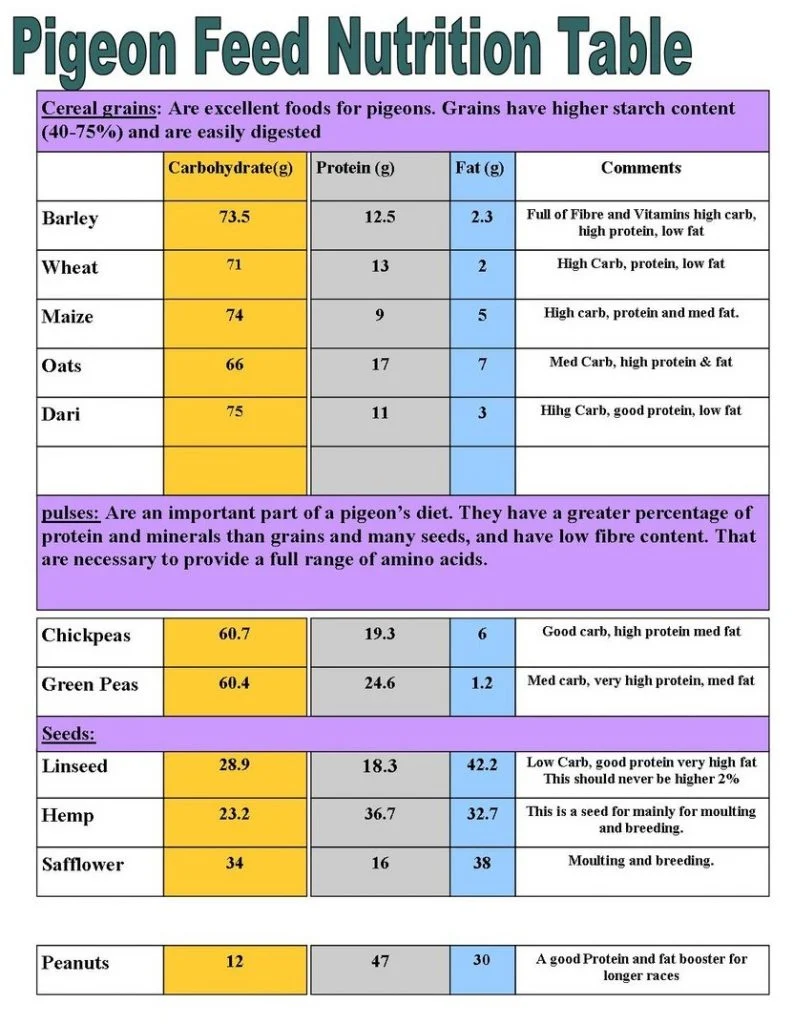
The primary dietary component for racing pigeons has traditionally been carbohydrates, derived largely from maize, wheat, and peas. From a biological perspective, a pigeon’s digestive system processes these carbohydrates into animal proteins and glycogen, the latter of which is stored within the liver and muscle tissues. During a race, this glycogen serves as the primary fuel source, converted into kinetic energy through a process analogous to the combustion of gasoline in an internal combustion engine.
Quantitatively, the combustion of one gram of glycogen yields approximately 4.1 calories of energy. However, glycogen stores are finite. In the context of marathon racing—where birds may be airborne for twelve to fifteen hours—the "glycogen tank" often runs dry before the bird reaches its loft. When this depletion occurs, the pigeon’s metabolism shifts to catabolizing its own body proteins. Because protein also provides roughly 4.1 calories per gram, the bird begins to literally consume its own muscle mass to maintain flight. This leads to the "blown out" appearance often seen in exhausted racers, where birds return as little more than feathers and bone, having sacrificed their physical structural integrity for the energy required to survive.
The Lipid Revolution: Fats as High-Octane Fuel
The evolution of modern pigeon racing has seen a strategic shift toward lipid-loading. Unlike carbohydrates and proteins, fats (lipids) offer a significantly higher energy density. A single gram of fat provides 9.3 calories—approximately 2.33 times the energy output of glycogen. This caloric density is the reason experts compare fat-rich diets to the specialized fuels used in Formula-1 racing.
By providing a diet high in fats prior to "basketing" (the process of handing birds over for transport to the race start), fanciers can ensure that their birds have a secondary, more efficient fuel source. This "fat-burning" metabolism allows the bird to preserve its muscle tissue. A bird fueled by fats is more likely to return in excellent physical condition, maintaining its weight and "roundness" even after extreme exertion.
To facilitate this, experienced fanciers supplement standard feed with oil-rich seeds. While standard maize contains about 4% fat and rolled oats contain 7%, specialized oil seeds offer much higher concentrations:
- Sunflower Seeds: 28% fat
- Hempseed: 32% fat
- Linseed: 34% fat
- Rapeseed: 42% fat
These seeds are not merely treats; they are strategic tools. Research conducted in the United Kingdom has demonstrated that performance significantly improves when feed is supplemented with high-fat additives, including the direct mixing of grain with 5% corn oil.

The Peanut as a Primary Energy Source
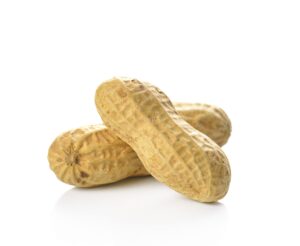
Among the various high-fat options, the peanut (Arachis hypogaea) has emerged as a "first-class fuel" for racing pigeons. The peanut is uniquely suited for avian nutrition due to its balance of fats and proteins. With a protein content of approximately 30%, it is second only to the soybean in protein density, making it superior to both maize and wheat for muscle maintenance.
The nutritional profile of a peanut is remarkably similar to "crop milk," the substance produced by parent pigeons to feed their young, which consists almost entirely of fats and proteins. This makes peanuts an ideal feed not just for racers, but also for nest-raised youngsters.
From a caloric standpoint, the peanut is exceptionally efficient. Approximately 5.7 grams of peanuts provide the same energy value as 10 grams of a traditional grain mixture. This efficiency was famously demonstrated in the post-WWII era by Eduard Pape, a laborer in the Port of Hamburg. Working at oil mills where peanuts were unloaded, Pape fed his pigeons exclusively on peanuts because they were a free and available resource. Despite the unconventional diet, his birds achieved legendary results in difficult races, proving that pigeons could not only survive but thrive on a high-peanut regimen, provided they were not overfed.
Strategic Implementation and Loft Management
Introducing peanuts into a loft requires a systematic approach. Pigeons are often hesitant to try unfamiliar foods, and the winter months provide an ideal window for dietary introduction. Once accustomed to the taste, birds often begin to prioritize peanuts over other grains.
Dr. Meyer, a noted authority on the subject, suggests several practical methods for peanut distribution:
- Fragmentation: Peanuts should be broken into three or four pieces using a kitchen machine. This prevents "fast eaters" from consuming ten whole nuts before the more reserved—and often more talented—racers have a chance to eat.
- Hand-Feeding: Carrying peanuts in a pocket allows the fancier to feed birds individually. This fosters a bond of trust between the bird and the fancier, reducing the bird’s stress and making them easier to manage during the racing season.
- Trapping Motivation: Peanuts are an unparalleled tool for "trapping"—encouraging birds to enter the loft quickly after a race or exercise. The anticipation of a peanut treat ensures that birds do not linger on the roof, which can be the difference between winning and losing in a sport timed to the second.
The Widowhood System and Gender-Specific Feeding
The application of peanut nutrition varies based on the racing system used, such as the "widowhood" system, where mates are separated to increase their psychological drive to return home.
For widowers (male racers), the peanut serves as both fuel and a reward. In the first half of the week, peanuts are given sparingly. As the race day approaches, the ration is gradually increased. This ensures the bird is "peaking" metabolically at the moment of release. For birds that are naturally light or poor eaters, peanuts provide a palatable way to increase their caloric intake without requiring them to consume massive volumes of grain.
For widow hens (female racers), the management is even more precise. Hens are typically fed fewer peanuts than cocks to prevent them from becoming overly "amorous" or laying eggs, which would take them out of racing form. However, on the evening before and the day of basketing, Dr. Meyer recommends increasing the peanut ration for hens. This provides them with the energy needed for the flight while keeping them focused and aggressive in defending their nest boxes. This strategy has allowed many fanciers to race hens for 14 consecutive weeks without issues like "lesbian activity" or unwanted egg production.
Weather Contingencies and Race Day Strategy
A professional fancier must also be a meteorologist. The nutritional strategy should shift based on the weather forecast:
- Headwinds: If a race is expected to be grueling with strong headwinds, birds are given extra portions of peanuts to prepare for the high energy expenditure.
- Tailwinds: In fast races with following winds, peanuts are fed sparingly to prevent the birds from becoming too heavy or "over-fueled" for a shorter flight.
- Multi-Night Basketing: For races where birds spend two nights in the transport basket, a specific protocol is used. In the morning, they receive high-carbohydrate grains. In the afternoon, they are given as many peanuts as they desire. Because one crop full of peanuts equals the energy of two crops of grain, the birds are effectively "pre-loaded" for two days of activity.
Broader Implications and Avian Welfare
The enrichment of pigeon diets with high-quality fats like those found in peanuts represents a significant advancement in avian sports science. Beyond the competitive advantages, there is a clear welfare benefit. By preventing the catabolism of muscle tissue, fanciers ensure that their birds recover more quickly.
A bird that returns from a race having lost significant weight requires a long recovery period on a low-protein "cleansing" ration. Such a bird cannot be expected to perform the following weekend. Conversely, a bird fueled by lipids returns with its physical condition intact, allowing for a more consistent racing schedule and a longer, healthier career.
In conclusion, the strategic use of peanuts and oil seeds is not merely a trend but a biological necessity for the modern racing pigeon. By understanding the metabolic shift from glycogen to lipids, fanciers can provide their birds with the "high-octane" fuel required to navigate the rigors of marathon racing, ensuring both competitive success and the long-term health of the avian athlete.

