
The Bioenergetics of Avian Flight: Carbohydrates vs. Fats
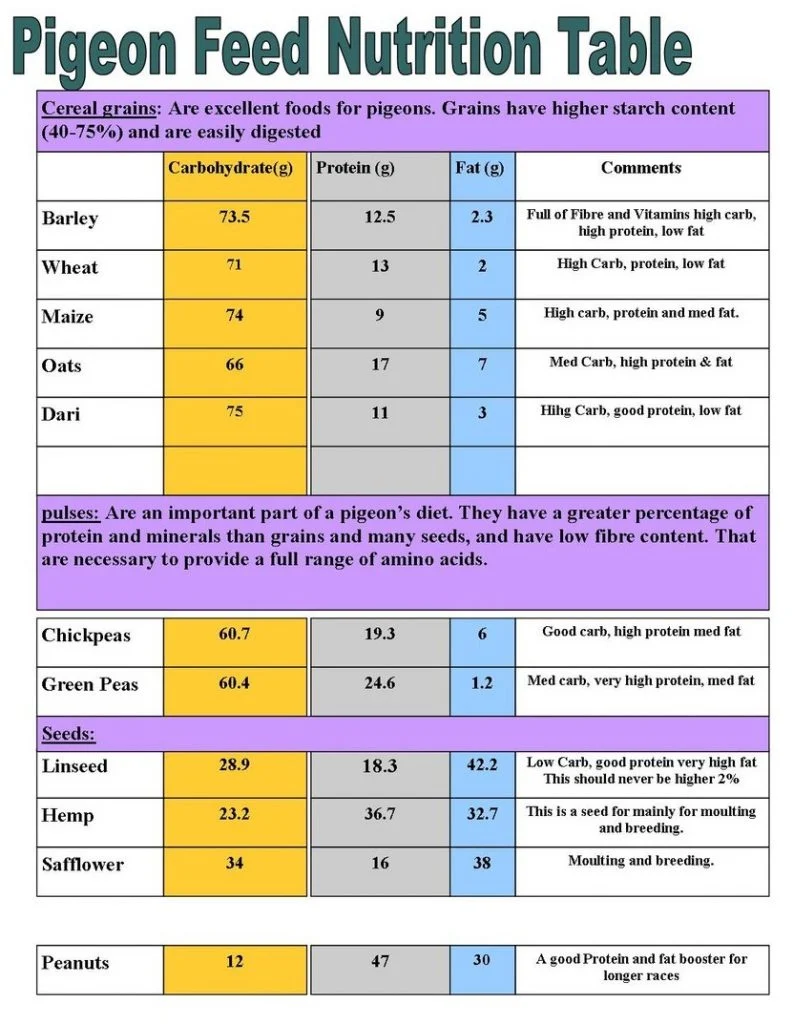
At the core of pigeon racing nutrition is the understanding of how avian physiology converts raw feed into kinetic energy. Traditionally, the majority of a racing pigeon’s diet consists of carbohydrates derived from maize, wheat, and peas. The bird’s digestive system processes these complex carbohydrates into animal proteins and glycogen, the latter of which is stored in the liver and muscle tissues. During the initial phases of a race, this glycogen acts as the primary fuel source. The combustion of one gram of glycogen yields approximately 4.1 calories of energy.
However, the "glycogen tank" is limited. For short-distance sprints, this energy reservoir is sufficient. In contrast, during grueling marathon races where birds are airborne for 10 to 15 hours, glycogen stores are often depleted long before the bird reaches its loft. When this occurs, the bird’s metabolism shifts into a catabolic state, beginning to burn its own body proteins—essentially consuming its own muscle tissue—to maintain flight. This process also yields 4.1 calories per gram but results in a bird that returns home "wasted," often consisting of little more than feathers and bone. This physical toll not only compromises the bird’s health but also significantly extends the recovery period required before the next competition.
To mitigate this, avian nutritionists emphasize the superior caloric density of fats. A single gram of fat provides 9.3 calories, which is roughly 2.33 times the energy output of carbohydrates or proteins. By shifting the fuel source from glycogen to lipids, the bird gains a significantly higher energy-to-weight ratio. This is analogous to a Formula-1 racing vehicle utilizing high-octane specialized fuel rather than standard commercial gasoline. Birds loaded with fat reserves are capable of completing long-distance journeys while maintaining their "form"—the round, muscular condition required for peak performance.
Comparative Nutritional Profiles of High-Fat Seeds
While standard racing mixtures are relatively low in fat, experienced fanciers have long experimented with oil-rich seeds to bolster energy reserves. The following data highlights the fat content of various seeds commonly used in the industry:
- Maize: 4% Fat
- Rolled Oats: 7% Fat
- Sunflower Seeds: 28% Fat
- Hempseed: 32% Fat
- Linseed: 34% Fat
- Rapeseed: 42% Fat
- Peanuts: Approx. 45-50% Fat (with 30% Protein)
While sunflower and rapeseed offer significant oil content, the peanut has emerged as the premier "first-class fuel" for pigeon racing engines. Beyond its lipid profile, the peanut is exceptionally high in protein, second only to the soybean in its concentration. This combination of high fat and high protein makes it a uniquely dense nutritional package. Research conducted in the United Kingdom has corroborated these findings, demonstrating that performance metrics improve significantly when feed is supplemented with fats, including corn oil at a 5% concentration.

The Historical and Practical Case for Peanut Supplementation
The use of peanuts is not merely a modern trend but is rooted in historical success stories. One notable case involves Eduard Pape of Hamburg, a laborer who worked at the port unloading peanuts for oil mills shortly after World War II. Due to the scarcity of traditional grains and the availability of surplus peanuts, Pape transitioned his racing flock to a diet consisting almost exclusively of peanuts. Despite the unconventional nature of the diet, his birds achieved extraordinary results, particularly in difficult, long-distance races. Pape’s success highlighted a critical nutritional fact: because of their energy density, 5.7 grams of peanuts provide the equivalent energy of 10 grams of a standard grain mixture.
Modern practitioners like Dr. Meyer have refined these techniques. Dr. Meyer advocates for purchasing high-quality peanuts and processing them into smaller pieces. This prevents "aggressive eaters" within the loft from monopolizing the supply, ensuring that even the more timid birds—which often include the most talented racers—receive their fair share of the nutrient-dense supplement.
Strategic Nutritional Management Throughout the Life Cycle
The application of high-fat nutrition extends beyond the racing season, playing a vital role in the breeding and weaning phases.
Breeding and Nestling Development
During the critical window between the 6th and 12th day of a youngster’s life, parent birds must transition from producing "crop milk" to providing solid "rough" feed. Peanuts are particularly effective during this stage because their composition—high in fat and protein—closely mimics the nutritional profile of crop milk. Fanciers who provide 5-10 grams of peanut pieces to breeding pairs often report faster growth rates and more robust immune systems in the squabs.
Weaning and Loft Entry
Peanuts also serve a psychological purpose. Because pigeons find them highly palatable, they are an ideal tool for taming birds and reinforcing desired behaviors. Young birds introduced to peanuts early in life can be trained to enter the loft immediately upon hearing the fancier’s call. This "trapping" behavior is critical on race days, where seconds lost outside the loft can mean the difference between winning and losing.
The Widowhood System and Motivational Feeding
In the competitive "widowhood" system—where male and female birds are kept separate to increase their psychological drive to return home—peanuts act as both a nutritional supplement and a motivational reward.
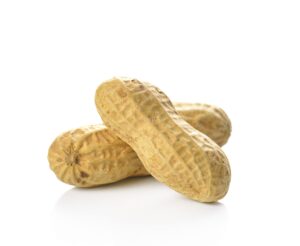
For the "widower" (the male racer), the presence of peanuts in his individual feeder becomes a primary attraction to his nest box. Fanciers often use the first half of the week to provide a "cleansing" ration low in protein, gradually increasing the peanut intake as the basketing day (the day birds are sent to the race point) approaches. This ensures the bird is "rounding out" in weight exactly when the maximum energy is needed.
For the widowhood hens, the strategy is more nuanced. While they also crave the treats, their intake must be monitored to prevent them from becoming overweight or overly "amorous," which can lead to egg-laying and a subsequent loss of racing form. However, providing peanuts on the evening before and the day of basketing ensures they have the requisite energy for the flight, even if they are maintained at a lighter weight than the males.
Tactical Adjustments Based on Meteorological Conditions
A sophisticated racing strategy requires the fancier to adjust nutrition based on weather forecasts. The "energy cost" of a flight varies significantly depending on wind direction and velocity.
- Headwinds: When a race is expected to be grueling due to headwinds, fanciers provide an "extra portion" of peanuts. This prepares the bird for a high-stamina flight where the metabolic demand will be at its peak.
- Tailwinds: In contrast, if a fast race with tailwinds is anticipated, peanut portions are reduced. Over-fueling a bird for an easy race can result in excessive weight, which may actually hinder its speed.
- Two-Night Stays in the Basket: For races where birds are held in transport crates for two nights, the timing of feeding is crucial. Dr. Meyer recommends a morning feed high in carbohydrates followed by an afternoon "loading" of as many peanuts as the birds desire. Because the energy value of peanuts is so high, this effectively allows the birds to "eat for two days," ensuring they are not forced to forage on inferior field corn or floor scraps while in transit.
Broader Implications and Industry Trends
The shift toward high-fat, high-density nutrition reflects a broader trend in avian sports science toward precision management. As global climate patterns become more unpredictable, resulting in more "smash" races (races with low return rates due to extreme weather), the resilience provided by fat-loading has become a necessity rather than a luxury.
While peanuts are more expensive than traditional maize or wheat, the investment is increasingly seen as essential for those competing at the highest levels of the sport. The economic cost is offset by the reduced volume of feed required and the significantly lower "attrition rate" of birds. Furthermore, the improved relationship between the fancier and the bird, facilitated by hand-feeding these treats, creates a more manageable and "tame" loft environment.
In conclusion, the integration of peanuts into the racing pigeon’s diet represents the intersection of biological science and traditional animal husbandry. By understanding the metabolic pathways of flight and the caloric density of various feedstocks, fanciers can ensure their birds are not only competitive but are also protected from the physical ravages of long-distance exertion. As the sport continues to evolve, the "peanut method" remains a cornerstone of modern high-performance pigeon racing.

