
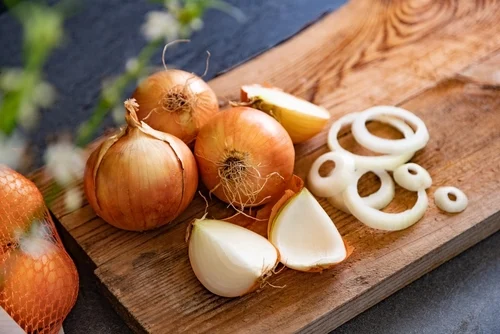
The practice of supplementing poultry diets with kitchen scraps has long been a staple of backyard farming; however, recent veterinary data and avian nutritional studies highlight a significant danger posed by common vegetables in the Allium genus, most notably onions. While chickens are often viewed as omnivorous scavengers capable of processing a wide variety of organic matter, the presence of specific sulfur-based compounds in onions—specifically thiosulphate—presents a physiological risk that can lead to severe hemolytic anemia, systemic organ failure, and in acute cases, the death of the bird. Understanding the biochemical interaction between these toxins and avian physiology is essential for the growing population of hobbyist farmers and commercial egg producers seeking to maintain flock health.
The Biochemical Mechanism of Allium Toxicity
The primary threat found in onions (Allium cepa) and its relatives is a group of organosulfur compounds, with thiosulphate being the most prominent. When ingested by poultry, these compounds undergo a process of oxidative hemolysis. Unlike humans, who possess specific enzymes to better manage certain levels of these compounds, chickens are highly susceptible to the oxidative stress they induce on red blood cells.

Once thiosulphate enters the chicken’s bloodstream, it causes the hemoglobin—the protein responsible for transporting oxygen—to precipitate into clumps known as Heinz bodies. These Heinz bodies attach to the exterior of the red blood cell membrane, signaling the bird’s spleen and liver to identify the cell as damaged or foreign. Consequently, the body begins to destroy these red blood cells at a rate far exceeding the bone marrow’s capacity to regenerate them. This rapid destruction leads to Heinz body anemia, a condition where the blood loses its ability to effectively transport oxygen to vital organs.
Identifying Clinical Symptoms of Onion Poisoning
Veterinary experts and avian specialists, including noted poultry expert Lisa Steele, have identified a clear progression of symptoms associated with Allium toxicity in chickens. Because chickens are prey animals, they instinctively hide signs of illness until a condition is advanced, making it vital for keepers to recognize subtle behavioral changes.
The initial stage of toxicity often manifests as lethargy. Birds may appear "hunched," with ruffled feathers, and show a marked lack of interest in foraging or social interaction. As the anemia progresses and the oxygen saturation in the blood drops, respiratory distress becomes evident. This is characterized by rapid, shallow breathing or panting, as the chicken attempts to compensate for the lack of oxygen transport.

In severe cases, the physiological strain leads to jaundice, visible in the pale or yellowish tint of the comb and wattles, which are normally a vibrant red in healthy, laying hens. Digestive upset, including diarrhea, is also common as the body attempts to purge the toxins and the liver struggles to process the byproduct of destroyed red blood cells. If a lethal dose is consumed—or if small amounts are fed consistently over a long duration—the cumulative damage to the circulatory system results in heart failure or systemic collapse.
The Allium Family Spectrum: Onions vs. Garlic
A common point of confusion among poultry owners is the distinction between onions and garlic. Both belong to the Allium genus, which also includes shallots, leeks, chives, and scallions. While all members of this family contain thiosulphate, the concentration levels vary dramatically between species.
Onions contain the highest concentration of these toxic compounds. Whether raw, cooked, or dehydrated, the thiosulphate remains active and dangerous to poultry. In contrast, garlic (Allium sativum) contains only a fraction of the thiosulphate found in onions. Extensive research in the field of natural poultry husbandry suggests that in very small, controlled doses, garlic can actually provide medicinal benefits.

According to data cited by ChickenDVM and other veterinary resources, garlic can act as a natural immunomodulator, supporting the respiratory system and potentially acting as a mild vermifuge (dewormer). Many keepers utilize garlic powder or crushed fresh cloves in water as a preventative health measure. The drying process used to create garlic powder further reduces the already low levels of thiosulphate, making it a generally accepted supplement when used in moderation. However, experts caution that even garlic should not be fed in excessive quantities, as the threshold for toxicity, while much higher than that of onions, still exists.
Chronology of Dietary Shifts in Poultry Management
The history of backyard poultry feeding has transitioned through several distinct eras. In the early 20th century, chickens were largely self-sufficient, subsisting on pasture foraging and undifferentiated kitchen waste. During this period, little was known about the specific toxicological profiles of vegetables like onions, and losses were often attributed to "unknown causes" or general predation.
The mid-20th century saw the rise of commercialized "complete" feeds, which standardized poultry nutrition and reduced the reliance on scraps. However, the recent "backyard chicken revolution" of the 21st century has seen a return to diversified feeding. As chickens have moved from strictly livestock to "productive pets," the demand for scientific clarity regarding safe treats has surged.

In the last decade, the documentation of onion toxicity has become more robust. Veterinary diagnostic labs have increasingly identified Heinz body anemia in domestic flocks where onions were a regular part of the "treat bucket." This has led to a shift in the advice provided by agricultural extensions and poultry influencers, moving away from the "chickens can eat anything" philosophy toward a more cautious, science-based approach to supplementation.
Expert Analysis and Industry Response
The consensus among avian veterinarians is that the risks associated with feeding onions far outweigh any negligible nutritional benefits, such as fiber or trace vitamins. Unlike other treats that might simply cause obesity or a drop in egg production, onions represent a direct chemical threat to the bird’s life.
In response to these findings, the poultry supply industry has begun to refine its messaging. Manufacturers of treats and supplemental feeds now frequently include warnings about Allium toxicity on their packaging. Furthermore, the rise of digital information platforms has allowed experts like Lisa Steele to disseminate research-backed guidelines to a global audience. Steele, a fifth-generation chicken keeper and author, emphasizes that while chickens may readily eat onions if offered, their lack of an evolutionary "off-switch" for toxic plants makes them dependent on the keeper’s discernment.

The broader implication of this research extends to animal welfare standards. As the public becomes more invested in the provenance of their food—specifically eggs—the health and diet of the laying hen have come under closer scrutiny. A flock suffering from sub-clinical anemia due to onion ingestion will not only produce fewer eggs but will also produce eggs of lower nutritional quality, as the bird’s internal resources are diverted to cellular repair rather than egg formation.
Recommended Nutritional Alternatives
To ensure flock longevity and high-quality egg production, poultry owners are encouraged to replace potentially toxic scraps with high-value, safe alternatives. While onions, leeks, and chives should be strictly excluded from the "treat bucket," several other common garden products provide excellent benefits without the risk of thiosulphate poisoning:
- Leafy Greens: Kale, spinach, and Swiss chard are high in Vitamin K and iron, which support the very blood health that onions compromise.
- Cucurbits: Pumpkins, squash, and cucumbers provide hydration and are rich in beta-carotene, which contributes to deep orange yolk color.
- Berries: Blueberries and strawberries offer antioxidants that support the immune system.
- Herbs: Oregano, thyme, and parsley are widely recognized for their antibacterial properties and are safe for daily consumption.
Conclusion and Future Outlook
The prohibition of onions in poultry diets is a cornerstone of modern avian husbandry. The scientific evidence regarding thiosulphate-induced oxidative stress is definitive, establishing onions as a significant hazard rather than a harmless treat. As the backyard farming community continues to grow, the emphasis must remain on education and the application of veterinary science to daily flock management.

Future research into avian toxicology may further clarify the exact parts-per-million threshold for various Allium species, but for the contemporary keeper, the most prudent course of action remains total avoidance. By prioritizing a diet centered on high-quality commercial feed supplemented with safe, non-toxic vegetables and herbs, poultry owners can ensure the health, productivity, and welfare of their birds, avoiding the preventable tragedy of Heinz body anemia. Feeding chickens requires a balance of traditional wisdom and modern science; in the case of onions, the science clearly dictates a "zero-tolerance" policy for the safety of the flock.
