

The seemingly unconventional suggestion of gifting "bugs for birds" for Mother’s Day presents a compelling opportunity to connect with nature and support avian populations, particularly during critical nesting and migration periods. While the idea might initially provoke surprise, a closer examination reveals a multifaceted approach to celebrating mothers and contributing to ecological well-being. This strategy hinges on the fundamental role of insects in a bird’s diet, especially during spring and early summer, a time when young birds are being fledged and migratory species are refueling.
The Nutritional Imperative: Bugs as a Bird’s Best Friend
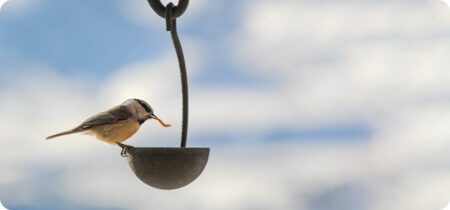
May marks a pivotal time in the avian calendar. Across North America, it is the peak nesting season for a vast array of songbirds. For virtually all bird species, the sustenance for their offspring during the initial weeks of life is overwhelmingly insect-based. This dietary reliance underscores the critical importance of a readily available insect supply for successful reproduction. By offering supplemental insect-based foods, such as dried or live mealworms, at bird feeders, individuals can significantly enhance the survival rates of fledglings and attract a greater diversity of breeding birds to their yards.
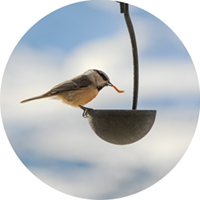
The nutritional demands on adult birds are also exceptionally high during this period. Migratory songbirds, undertaking arduous journeys spanning thousands of miles, require a substantial intake of high-energy food sources. Insects, rich in fats and proteins, are the primary fuel for these incredible feats of endurance. Providing an abundant insect buffet in backyard habitats can directly aid these migrating populations, offering them a crucial stopover point for replenishment. This translates into a more vibrant and dynamic bird population for observers to enjoy, creating moments of wonder and connection with the natural world for mothers and families alike.
Beyond the Bouquet: Native Plants as a Living Gift
The concept of "bugs for birds" extends beyond simply providing supplemental feed. A cornerstone of this approach involves cultivating a habitat that naturally supports insect populations. This is where the idea of gifting native plants for Mother’s Day finds its ecological significance. Unlike traditional cut flower bouquets that offer ephemeral beauty, native plants provide a lasting, sustainable source of food and shelter for a wide range of beneficial insects.
These plants, adapted to local soil and climate conditions, are the foundation of indigenous insect communities. By attracting native insects, these plants create a self-sustaining ecosystem within the backyard. This, in turn, provides a consistent and natural food source for birds. The biodiversity fostered by native plantings not only benefits birds but also contributes to the overall health of the local environment, supporting pollinators and other beneficial invertebrates. The selection of native species can be tailored to provide blooms and seeds throughout the summer, offering continuous visual appeal and ecological value.

The Double Play: Supplementation and Habitat Creation
The most effective strategy for "giving mom bugs for birds" involves a two-pronged approach: supplementing natural insect availability with targeted feeding and enhancing the environment through native plantings.
1. Supplemental Feeding with Mealworms:
Mealworms, readily available through specialty bird feeding stores, serve as an excellent and convenient supplement to a bird’s natural insect diet. They are particularly effective during nesting season and migration.
- Dried Mealworms: These offer a convenient and long-lasting option. They can be incorporated into loose seed mixes or pressed into seed cylinders, making them accessible to a variety of bird species.
- Live Mealworms: For those seeking to attract insectivorous birds more directly, live mealworms are a premium offering. Their natural appeal is often irresistible to birds, leading to more frequent and diverse visitor activity.
2. Creating Insect Havens with Native Plants:
The deliberate selection and planting of native species transform a yard into a dynamic insect habitat.
- Host Plants: Many native plants serve as host plants for specific butterfly and moth caterpillars, which are a vital food source for many bird species. For example, milkweed is essential for Monarch butterflies, and its caterpillars are consumed by various birds.
- Nectar and Pollen Sources: Flowers provide nectar and pollen, attracting adult insects that birds may also consume.
- Shelter and Nesting Sites: Native shrubs and trees offer protection from predators and ideal nesting locations for birds.
Wild Birds Unlimited: Facilitating the Gift of Nature
Specialty retailers like Wild Birds Unlimited are at the forefront of promoting this nature-centric approach to gift-giving. Their product offerings are designed to make it easy for consumers to implement these strategies.
- Nesting SuperBlend®: This specialized blend, available as a loose seed mix or a seed cylinder, is formulated with dried mealworms, providing a direct nutritional boost for nesting birds.
- Bug, Nut & Berry Cylinder®: This popular seed cylinder offers a diverse mix of attractants, including ingredients that appeal to insect-eating birds, along with nuts and berries.
- Live Mealworms: As mentioned, live mealworms are a high-impact offering for attracting a wide range of insectivorous birds.
These products not only facilitate the "bugs for birds" concept but also offer a tangible way for individuals to contribute to local avian populations. By choosing these items, consumers are making a gift that gives back to nature.
The Broader Impact: Conservation and Connection
The implications of embracing "bugs for birds" as a Mother’s Day gift extend beyond a single occasion. This approach fosters a deeper appreciation for the intricate web of life and highlights the interconnectedness of different species.

- Supporting Biodiversity: By encouraging insect populations through native plantings and providing supplemental insect food, individuals contribute to the health and diversity of local ecosystems. This is particularly important given the documented declines in insect populations globally.
- Educational Opportunities: This concept provides an excellent opportunity for intergenerational learning. Families can observe the direct impact of their efforts on bird behavior and population dynamics, fostering a greater understanding and respect for nature.
- Mental and Emotional Well-being: Spending time in nature, observing wildlife, and actively participating in conservation efforts has been linked to reduced stress and improved mental well-being. This gift offers a pathway to these benefits.
- Economic Support for Conservation: Retailers like Wild Birds Unlimited, which focus on backyard bird feeding and nature education, often reinvest a portion of their profits into conservation initiatives. Supporting these businesses indirectly contributes to broader conservation goals.
A Shift in Gifting Philosophy
The notion of gifting "bugs for birds" for Mother’s Day represents a thoughtful shift in consumer priorities. It moves away from purely material possessions towards experiences and contributions that have a lasting positive impact. While a traditional bouquet may be appreciated for its fleeting beauty, a gift that supports wildlife and fosters a connection with nature offers enduring value.
The success of this initiative relies on education and awareness. By understanding the critical role of insects in avian life cycles and the benefits of native plant habitats, individuals can make informed choices that benefit both their loved ones and the natural world. The initial surprise of the "bug" gift can quickly transform into delight as the vibrant activity of birds in the yard becomes a testament to the thoughtful and ecologically conscious choice.
In conclusion, the proposition of "giving mom bugs for birds" for Mother’s Day is far from a whimsical suggestion. It is a well-founded strategy that leverages the ecological needs of birds during their most vulnerable periods. By combining supplemental feeding with the creation of natural insect habitats through native plantings, individuals can provide a gift that is both deeply meaningful and profoundly beneficial to avian populations and the broader environment. It is a celebration of nature’s cycles, a gesture of love for mothers, and a tangible contribution to conservation efforts.
