

The holiday season often brings a familiar wave of seasonal stress, as consumers navigate crowded retail stores and the pressure to find meaningful gifts before December arrives. Amidst the commercial hustle, a growing segment of shoppers is turning toward nature-centric hobbies to foster genuine connections with friends and family. According to recent retail trends analyzed by specialty hobby franchises, gifts that promote wildlife observation and backyard conservation have surged in popularity, offering a sustainable alternative to traditional consumer goods. Wild Birds Unlimited (WBU) Inc., North America’s largest franchise system specializing in backyard bird feeding and nature products, reports that consumers increasingly seek presents that provide ongoing engagement long after the holiday wrapping has been discarded. This shift highlights a broader cultural movement toward mindfulness, environmental appreciation, and stress-reduction through hobby-based interactions with local ecosystems.
Background Context of the Backyard Birding Industry
Backyard bird feeding has evolved from a simple pastime into a multi-million-dollar hobby engaging tens of millions of households across North America. Industry data from wildlife conservation groups and specialty retailers indicate that interest in backyard ornithology spiked significantly over the past decade, driven by urban expansion, increased emphasis on mental health, and a heightened awareness of local biodiversity.
Retailers like Wild Birds Unlimited, which operates more than 350 franchise locations across the United States and Canada, have positioned themselves at the intersection of consumer retail and environmental stewardship. By providing scientifically formulated foods, specialized feeders, and educational resources, these enterprises help amateur naturalists support local bird populations through seasonal shifts. Winter, in particular, represents a critical period for backyard feeding, as natural food sources become scarce and avian species rely heavily on supplemental provisions to maintain their energy reserves during freezing temperatures.
Curated Holiday Gift Recommendations for Nature Enthusiasts
To alleviate last-minute holiday shopping anxiety while encouraging meaningful engagement with wildlife, retail experts and ornithology enthusiasts have highlighted several standout products designed to attract and sustain local bird populations through the winter months.
The Festive Appeal of Novelty Seed Cylinders
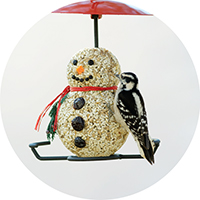
Among the seasonal favorites is the "Buttons the Snowman Seed Cylinder," a novelty food item designed to bring a festive aesthetic to residential landscapes while providing high-calorie nutrition for winter birds. Designed to be mounted on a red Tidy Cylinder Feeder, the product combines visual holiday appeal with practical wildlife management. Seed cylinders have gained traction in the hobbyist community because they offer a longer-lasting, low-maintenance alternative to loose seed blends, reducing waste and minimizing the frequency with which feeders must be refilled during inclement weather.
Nutrient-Dense Formulations for Winter Survival
For gift-givers prioritizing avian health, the "Cranberry Seed Cylinder" offers a densely packed nutritional profile tailored to the physiological demands of winter birds. Formulated with a blend of pecans, sunflower chips, peanuts, safflower, black oil sunflower, and dried cranberries, this product supplies the high fat and protein content necessary for species such as cardinals, finches, and jays to survive sub-freezing temperatures. Wildlife nutritionists emphasize that offering high-energy foods during the winter months plays a vital role in supporting local bird populations through periods of environmental stress.
Versatile Feeding Systems for Maximum Biodiversity
To maximize the variety of species visiting a single residential yard, experts frequently recommend versatile feeding infrastructure, such as the Flyin’ Bistro Cylinder Feeder. Unlike single-purpose apparatuses, this multi-functional feeder accommodates a wide spectrum of provisions, ranging from traditional seed blends and suet cylinders to specialized fruit and mealworms. Retail analysts note that versatility is a primary selling point for consumers purchasing gifts for intermediate and advanced bird watchers, as it allows hobbyists to experiment with different feeding strategies to attract diverse migratory and resident species.

Expert Commentary and Educational Outreach
Industry experts maintain that the value of nature-based gifts extends far beyond the physical items exchanged during the holidays. Educational programming, such as audio podcasts and expert-led webinars produced by conservation-focused retailers, plays a crucial role in empowering consumers to optimize their backyard habitats.
In episodes of the Nature Centered podcast, hosted by industry specialists John and Brian, discussions frequently center on how proper winter feeding techniques can transform a standard backyard into a thriving ecological sanctuary. According to program hosts, engaging with nature through active observation fosters a deeper sense of environmental stewardship and mental well-being for participants of all ages. By sharing insights on avian behavior, habitat preservation, and seasonal feeding schedules, these educational initiatives bridge the gap between commercial retail and active conservation science.
Economic and Environmental Implications of Nature-Based Retail
The sustained popularity of backyard bird feeding carries notable economic and environmental implications. From an economic perspective, the specialty pet and hobby sector has demonstrated resilience against broader retail fluctuations, supported by a dedicated consumer base that views wildlife supplies as an essential household expense rather than a discretionary luxury. Franchise systems like Wild Birds Unlimited continue to expand their footprint, driving local economic activity through specialized retail operations, educational workshops, and community outreach programs.

From an environmental standpoint, widespread backyard feeding contributes to localized conservation efforts. While ornithologists and wildlife biologists debate the long-term ecological impacts of supplemental feeding—such as potential congregation risks and disease transmission—properly managed feeding stations can provide crucial nutritional support for urban and suburban bird populations facing habitat loss and fragmentation. Retailers emphasize the importance of maintaining clean feeding environments, utilizing high-quality ingredients free of unwanted fillers, and responsibly managing wildlife interactions to ensure positive outcomes for local ecosystems.
Chronology of Seasonal Retail Trends in the Wildlife Hobby Sector
The surge in holiday nature gifting aligns with a predictable annual timeline experienced by specialty retailers across North America:
- Late October to Early November: Retailers roll out seasonal inventory, including holiday-themed seed cylinders and decorative hardware, responding to early consumer demand for unique, non-traditional gifts.
- Mid-November: Educational content production ramps up via podcasts, blogs, and in-store consultations, focusing on winter bird preparation and habitat management.
- December: Peak shopping window characterized by heightened consumer urgency. Retailers emphasize low-maintenance, high-impact products—such as multi-use feeders and dense seed cakes—to alleviate last-minute purchasing stress.
- January and Beyond: Post-holiday engagement focuses on winter bird counts, habitat maintenance, and preparing for the spring migration season, ensuring long-term customer retention and sustained wildlife support.
Broader Impact and Outlook for the Backyard Conservation Movement
As urban centers continue to expand, residential backyards increasingly serve as vital micro-habitats for regional wildlife. The practice of backyard bird feeding engages millions of citizens in citizen science initiatives, such as the Great Backyard Bird Count and regional migration monitoring programs. By transforming passive observers into active participants in wildlife management, specialty retailers and conservation advocates foster a culture of environmental awareness that extends well beyond the winter holiday season.

The trend toward giving nature-focused gifts reflects a broader cultural desire for intentional, sustainable consumption. Whether through the purchase of a novelty seed cylinder, a versatile multi-food feeder, or educational audio programming, consumers are increasingly choosing gifts that enrich their immediate environment and support the health of local wildlife populations. As this movement continues to mature, the intersection of retail commerce and backyard conservation remains a powerful driver of public engagement with the natural world.
