
As the holiday shopping season accelerates and consumers increasingly seek meaningful, sustainable presents that transcend commercial trends, the market for nature-focused hobbies continues to experience steady growth. Retailers specializing in backyard wildlife and ornithological enrichment report a rising consumer preference for experiential and long-lasting gifts, with backyard bird feeding emerging as a leading seasonal choice. Industry experts attribute this shift to a broader cultural desire to connect with the natural environment, reduce holiday stress, and invest in pastimes that offer enduring psychological and ecological benefits throughout the year.
The practice of feeding wild birds has evolved from a simple seasonal pastime into a sophisticated hobby supported by a multi-million-dollar specialty retail sector. According to market researchers tracking consumer behavior in the pet and garden industries, participation in backyard bird watching and feeding surges during the fourth quarter. Retailers note that shoppers increasingly view bird-related gifts not merely as functional items, but as investments in personal well-being and local biodiversity. Analysts point to the psychological restorative benefits of nature observation—often referred to by environmental psychologists as attention restoration theory—as a primary driver behind the sustained popularity of these products. Gifting items that attract local fauna allows consumers to share a therapeutic hobby with friends and family, creating a shared point of connection that extends far beyond the traditional holiday timeframe.
To assist consumers navigating the complexities of holiday shopping and to mitigate last-minute retail rushes, specialists from Wild Birds Unlimited (WBU) have outlined a curated selection of products designed to optimize backyard bird feeding. These recommendations focus on durability, ease of use, and the ability to attract a diverse array of avian species during the harsh winter months when natural foraging resources become scarce.

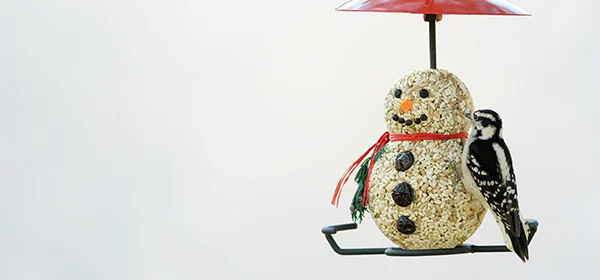
Among the top recommendations is the novelty seed cylinder format, exemplified by seasonally themed products such as the "Buttons the Snowman" seed cylinder. Designed to be paired with a specialized red Tidy Cylinder Feeder, this product combines aesthetic holiday appeal with practical nutrition. Seed cylinders have gained significant market share within the bird-feeding community due to their longevity and minimal maintenance requirements compared to loose seed mixes. Industry data indicates that compressed seed cylinders reduce waste and deter unwanted mammalian visitors, making them an efficient choice for both novice and experienced bird enthusiasts.
Complementing the novelty items are nutritionally dense formulations such as the Cranberry Seed Cylinder. Formulated specifically to meet the high caloric demands of wintering birds, these blends typically incorporate high-energy components such as pecans, sunflower chips, peanuts, safflower, black oil sunflower, and dried cranberries. Ornithologists and wildlife rehabilitators emphasize that providing high-fat, high-protein foods during the winter months is critical for the survival of resident bird populations, helping them maintain core body temperatures during sub-freezing nights.
For consumers seeking maximum versatility, experts recommend multi-use apparatuses such as the Flyin’ Bistro Cylinder Feeder. Unlike single-purpose feeders, versatile models accommodate a wide spectrum of feed types, including suet, seed cylinders, loose blends, mealworms, and fresh fruit. Market trends suggest that consumers increasingly value multi-functional hardware that adapts to seasonal shifts in bird populations and feeding preferences, thereby maximizing the return on investment for backyard naturalists.
The commercial success of wildlife feeding products reflects a broader alignment between consumer spending habits and environmental conservation. Urban and suburban sprawl continues to fragment natural habitats, making residential yards increasingly vital as stepping stones and refuges for migratory and resident bird species. Conservation organizations, including the National Audubon Society, have long emphasized the ecological significance of backyard bird feeding, noting that supplemental food sources can significantly improve survival rates during periods of severe weather or natural food shortages. However, wildlife biologists also stress the importance of maintaining clean feeding stations to prevent the transmission of avian diseases, an aspect of the hobby that specialty retailers increasingly incorporate into customer education initiatives.

Industry stakeholders and retail analysts anticipate that the demand for nature-based gifts will remain robust as urbanization persists and more households recognize the mental health benefits of domestic wildlife observation. Educational outreach programs, such as specialized podcasts and retailer-led seminars, continue to play a pivotal role in shaping consumer purchasing decisions by providing science-based advice on habitat creation, species identification, and optimal nutrition. As the retail landscape adapts to shifting consumer values toward sustainability and mindful living, the integration of ecological hobbies into mainstream holiday gift-giving highlights a permanent evolution in how society interacts with the natural world from the comfort of the home.
