
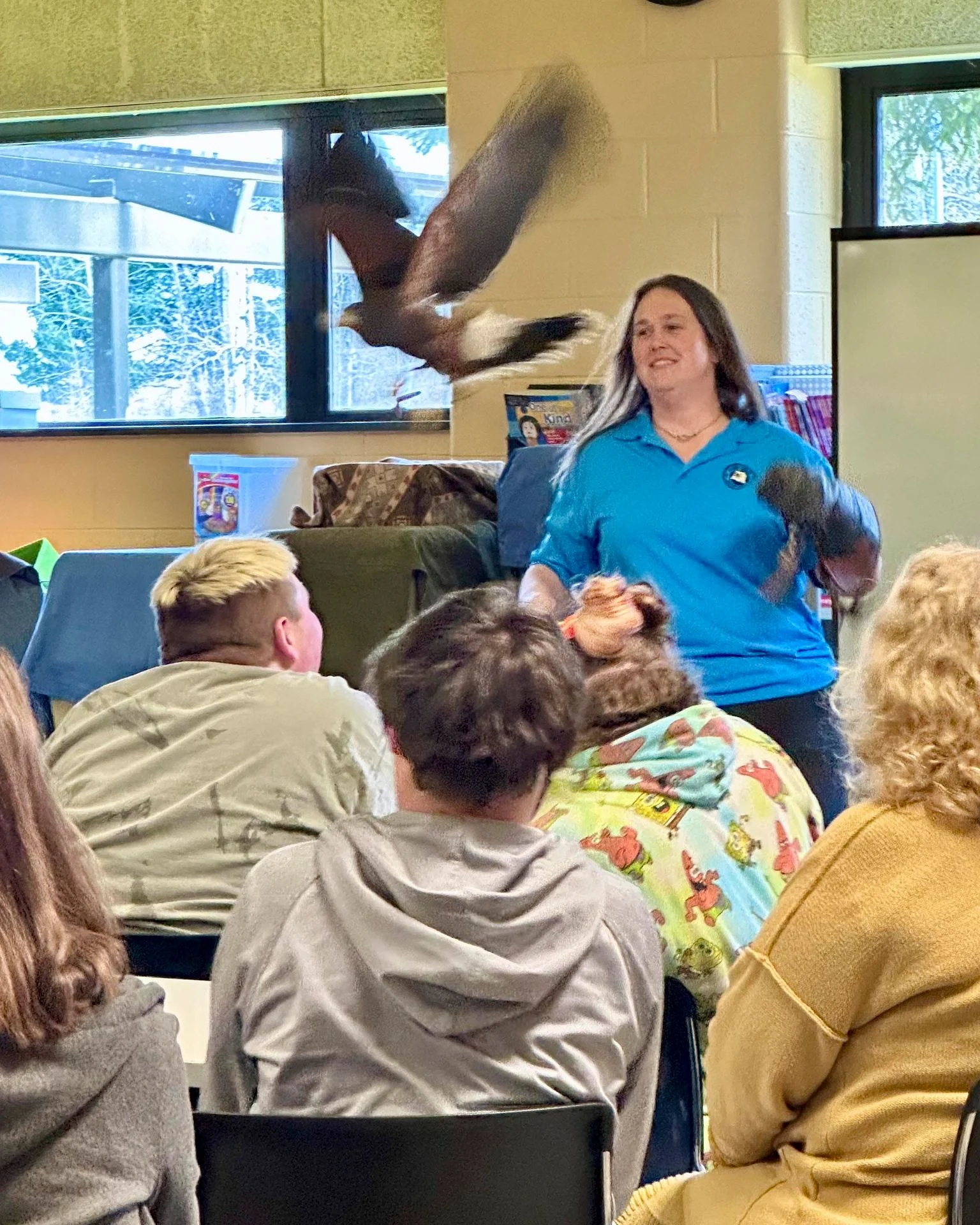
Students at the Hewes Educational Center recently experienced an unforgettable journey into the natural world thanks to an engaging educational program presented by the Hawk Creek Wildlife Center Inc. This initiative, a cornerstone of the center’s mission to foster compassion and understanding for wildlife, brought a dynamic and interactive learning experience directly to the students, offering them a firsthand encounter with a diverse array of animals and their ecological significance. The visit underscored the vital role of hands-on education in cultivating a deep appreciation for biodiversity and conservation among the next generation.
A Day of Discovery: Wildlife Encounters and Educational Insights
The core of the visit involved two seasoned wildlife naturalists from Hawk Creek who guided the students through an exploration of various species, encompassing raptors, mammals, and reptiles. These presentations were not merely displays of animals; they were meticulously crafted educational sessions designed to illuminate the intricate relationships within ecosystems. Naturalists shared detailed information about each animal’s natural habitat, emphasizing the unique adaptations that allow them to thrive in their specific environments. Behavioral patterns, dietary habits, and the crucial roles these animals play in maintaining ecological balance were all discussed, providing students with a comprehensive understanding of wildlife.
One of the most breathtaking moments of the day, as reported by attendees, was the awe-inspiring flight of a raptor that soared directly overhead, offering students a vivid, real-time demonstration of avian grace and power. This visceral experience is invaluable in education, transforming abstract concepts into tangible memories. Such direct interactions are known to significantly enhance learning retention and foster a lasting emotional connection to the natural world. The Hawk Creek Wildlife Center has consistently emphasized the power of these encounters, aiming to move beyond textbook learning to create profound moments of connection.
The Hawk Creek Wildlife Center: A Legacy of Conservation and Education
Founded with the overarching goal of "Fostering Compassion, Saving Species, Restoring Balance," the Hawk Creek Wildlife Center has established itself as a leading institution in wildlife rehabilitation, education, and conservation. Their work extends beyond immediate care for injured or orphaned animals; a significant portion of their efforts is dedicated to proactive outreach programs designed to educate the public about the importance of wildlife preservation. The center operates on a model that integrates rescue, rehabilitation, and responsible release, aiming to return as many animals as possible to their natural habitats.

The educational programs, like the one delivered at Hewes Educational Center, are a critical component of Hawk Creek’s long-term strategy. By engaging with students from an early age, the center aims to instill a sense of environmental stewardship and responsibility. Their curriculum is carefully designed to be age-appropriate and adaptable, ensuring that concepts of ecology, animal behavior, and conservation are accessible and engaging for all learners. This commitment to education is reflected in their diverse offerings, which include presentations for schools, community groups, and public events.
Background and Context: The Importance of Wildlife Education
Educational initiatives that bring live animals into classrooms, such as those conducted by Hawk Creek Wildlife Center, play a pivotal role in modern environmental education. In an increasingly urbanized world, direct contact with wildlife is becoming less common, making these programs even more critical. Research consistently shows that experiential learning, particularly involving animals, can lead to increased empathy, a greater understanding of complex biological concepts, and a stronger desire to participate in conservation efforts.
The Hewes Educational Center, by hosting such an event, demonstrates its commitment to providing a well-rounded education that extends beyond traditional academic subjects. Such partnerships between educational institutions and wildlife organizations are invaluable for exposing students to real-world applications of scientific principles and the importance of community involvement in conservation. The timing of such visits often aligns with broader environmental awareness campaigns or curriculum units focusing on biology, ecology, or environmental science, further enhancing their impact.
Supporting Data and Impact: The Broader Significance
While specific data on the number of students reached or the exact species presented during this particular visit were not detailed in the initial report, Hawk Creek Wildlife Center’s broader impact can be assessed through their consistent outreach. Annually, the center engages thousands of students across various age groups. Their programs are designed to cover a wide range of ecological topics, from the importance of native pollinators to the challenges faced by apex predators.
The success of such programs can be indirectly measured by the increased awareness and engagement in conservation activities. When students develop a connection with animals and understand the threats they face, they are more likely to advocate for wildlife, support conservation organizations, and make environmentally conscious choices in their daily lives. The raptor’s flight, for instance, serves as a powerful visual metaphor for the freedom and wildness that conservation efforts aim to protect.

Official Responses and Future Implications
While direct quotes from Hewes Educational Center staff were not available, it can be inferred that the school administration and teachers recognize the significant educational value of such visits. Hosting external experts like those from Hawk Creek Wildlife Center allows for the introduction of specialized knowledge and engaging experiences that might be challenging to replicate within the confines of a typical school setting. The positive reception from students, characterized by engagement and awe, suggests a successful and impactful event.
The long-term implications of these educational encounters are substantial. By fostering a generation that is informed, empathetic, and motivated towards conservation, institutions like Hawk Creek Wildlife Center contribute to the future health of ecosystems. The students who experienced the program at Hewes Educational Center are now equipped with a deeper understanding of wildlife and a greater appreciation for the delicate balance of nature. This can translate into informed decision-making in their future roles as citizens and leaders, contributing to a more sustainable planet.
Conclusion: Nurturing Future Environmental Stewards
The visit from the Hawk Creek Wildlife Center to the Hewes Educational Center exemplifies the power of experiential learning in fostering a lifelong commitment to wildlife conservation. Through engaging presentations, interactive discussions, and unforgettable animal encounters, these programs not only educate but also inspire. The natural world, brought to life by dedicated naturalists, leaves an indelible mark on young minds, cultivating a sense of responsibility and a desire to protect the species that share our planet. As the Hawk Creek Wildlife Center continues its mission, such collaborations remain vital in ensuring that compassion for wildlife and a commitment to ecological balance are passed on to future generations.
