
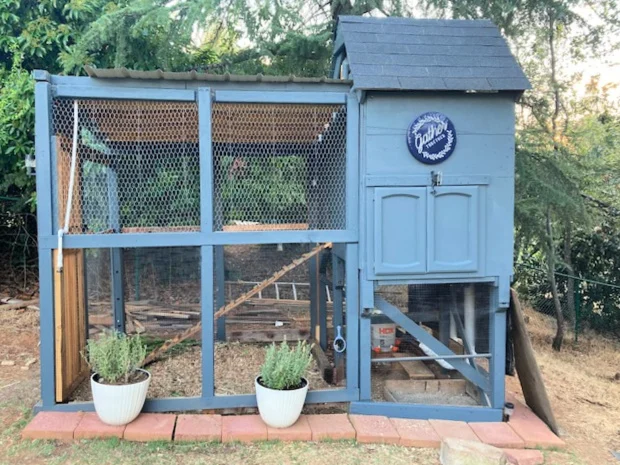
The rising interest in backyard poultry ownership has transformed from a niche hobby into a mainstream movement across North America, driven by a desire for food security, organic produce, and sustainable living. However, for many aspiring "urban farmers," the initial barrier to entry is the significant capital required for infrastructure. A high-quality, predator-proof chicken coop can cost anywhere from $1,000 to $5,000 when purchased from professional manufacturers. To circumvent these costs, a growing number of families are turning to creative upcycling, as demonstrated by a recent project in Redding, California, where a family successfully converted a discarded children’s playhouse into a functional poultry habitat for approximately $300. This case study highlights the economic feasibility of repurposing existing structures to support local agriculture while reducing environmental waste.

The Economic Context of Backyard Poultry
The shift toward domestic egg production has been accelerated by fluctuations in the commercial egg market, including supply chain disruptions and the impact of avian influenza on commercial flocks. According to agricultural data, the cost of eggs in some regions saw a 70% year-over-year increase at its peak, prompting consumers to seek more stable, localized alternatives. While the chickens themselves are relatively inexpensive—often ranging from $5 to $30 depending on the breed and age—the housing remains the primary expenditure.

Building a coop from scratch involves purchasing lumber, hardware cloth, roofing materials, and specialized fixtures like nesting boxes and roosting bars. In the current economic climate, where the price of pressure-treated lumber and galvanized steel has remained volatile, the DIY conversion of an existing outbuilding, such as a garden shed, a barn stall, or a playhouse, offers a strategic financial advantage. By utilizing an existing frame, builders can save hundreds of dollars on structural timber and roofing, focusing their budget instead on security and sanitation.

The Redding Conversion: A Chronological Case Study
In Redding, California, a family of six embarked on a project to transition from a suburban household to a micro-farm by repurposing a playhouse that their children had outgrown. The project serves as a blueprint for how a structured timeline and community involvement can lead to a professional-grade result on a fractional budget.

Phase One: Structural Assessment and Material Sourcing
The family began by evaluating the integrity of the playhouse, a small wooden structure with a solid foundation. The primary goal was to transform the recreational space into a "chicken mansion" without purchasing new raw materials. Over several weeks, the family sourced "scraps" and "odds and ends" from their own property and local contacts. This included salvaged cabinet doors, an old closet door, and discarded pieces of tin roofing. Friends and neighbors contributed to the effort by providing surplus roof tiles and wood offcuts, illustrating the role of community networks in sustainable building projects.

Phase Two: Modification and Adaptation
The conversion required specific modifications to meet the biological needs of the birds. The family repurposed cabinet doors to create easy-access points for egg collection and cleaning. The use of an old closet door provided a large entry point for human maintenance, a crucial feature for long-term coop hygiene. To ensure the structure matched the aesthetic of the main residence, the family and their friends collaborated on a painting phase, using exterior-grade paint that coordinated with the family home. This step, while aesthetic, also serves to protect the salvaged wood from the elements, extending the coop’s lifespan.

Phase Three: The Hatching and Brooding Process
Parallel to the construction, the family’s children—Mya (17), Ezra (12), Eden Rose (10), and Joel (8)—took charge of the biological aspect of the farm. They attempted to hatch eight chicks, a process that requires strict temperature control and manual egg rotation. Ezra assumed the responsibility of turning the eggs three times daily. While the success rate was 25%—with two Barred Rock chicks successfully hatching—the experience provided an invaluable lesson in avian embryology and the realities of livestock management. To supplement the flock, the family acquired additional chicks to ensure a productive laying population.

Phase Four: Innovation in Brooding
To house the young chicks before they were ready for the outdoor coop, the family’s father repurposed a hinged storage box originally used for pool supplies. This makeshift brooder box was outfitted with a warming plate and a feather duster to mimic the warmth and protection of a mother hen. This stage of the project demonstrated that nearly any sturdy, ventilated container can be adapted for agricultural use with minimal investment.

Technical Requirements for a Successful Conversion
While the Redding project highlights the creative potential of upcycling, professional poultry experts emphasize that certain technical standards must be met to ensure the health and safety of the flock. When converting a playhouse into a coop, several critical factors must be addressed:

1. Predator Proofing
The most significant threat to backyard chickens is predation from raccoons, foxes, hawks, and stray dogs. While a playhouse provides a solid frame, standard windows and doors are often not secure enough. Builders must replace or cover openings with 1/2-inch galvanized hardware cloth rather than traditional chicken wire, which can be easily torn by larger predators. The Redding family addressed this by ensuring all repurposed doors and roofing pieces were tightly fitted and secured with heavy-duty latches.

2. Ventilation and Moisture Control
Chickens produce a significant amount of moisture and ammonia through their droppings and respiration. Without proper airflow, this can lead to respiratory infections and frostbite in the winter. A successful conversion must include vents located near the roofline to allow hot, moist air to escape while preventing drafts from hitting the birds directly while they roost.

3. Interior Fixtures
A playhouse must be outfitted with roosting bars and nesting boxes. Roosting bars should be placed higher than the nesting boxes to encourage the birds to sleep on the bars, which keeps the nesting areas clean. The Redding family’s use of cabinet doors for nesting box access is a highly recommended practice, as it allows for egg collection without entering the main coop area, thereby reducing stress on the birds.

Broader Impact and Implications for Urban Agriculture
The success of DIY conversions like the one in Redding has broader implications for the future of urban and suburban agriculture. As municipalities across the country continue to relax zoning laws regarding backyard poultry, the demand for affordable housing solutions will only increase.

Sustainability and Waste Reduction
The Redding project is a prime example of the "circular economy" in action. By diverting a playhouse, cabinet doors, and roofing tiles from a landfill and into a productive agricultural use, the family reduced their environmental footprint. Upcycling materials also eliminates the carbon emissions associated with the manufacturing and shipping of new construction materials.

Educational and Social Benefits
The involvement of the entire family, including children as young as eight, underscores the educational value of backyard farming. Projects of this nature teach children about the origins of their food, the responsibilities of animal husbandry, and the basics of carpentry and engineering. Furthermore, the collaborative nature of the build—involving friends and neighbors in the painting and material sourcing—strengthens community ties and fosters a culture of mutual aid.

Food Security
On a macro level, the ability for families to establish their own egg production for a nominal investment of $300 increases household resilience against food price volatility. While a flock of six to eight chickens will not replace a commercial food system, it provides a consistent source of high-quality protein and reduces a household’s reliance on industrial supply chains.

Conclusion and Future Outlook
The conversion of a children’s playhouse into a "chicken mansion" in Redding, California, serves as a compelling case study for the viability of low-cost, sustainable backyard farming. By prioritizing upcycled materials and family labor, the project achieved a professional result at a fraction of the market cost for a prefabricated coop.

For those looking to follow this model, experts suggest monitoring local classifieds, such as Facebook Marketplace or Craigslist, where playhouses and sheds are often listed for free or at a low cost for those willing to disassemble and haul them. As the trend toward self-sufficiency grows, the ability to see agricultural potential in discarded structures will be a key skill for the modern urban farmer. The Redding family’s experience proves that with "elbow grease, scraps, and odds and ends," it is possible to create a safe, happy, and productive environment for a backyard flock while maintaining the aesthetic and financial integrity of the home.
