
The anticipation of spring’s first hummingbird sighting is a phenomenon that captivates nature enthusiasts across North America. These diminutive, iridescent jewels, after enduring arduous migrations, bring a vibrant splash of life and color to backyards and gardens, making the wait for their arrival a rewarding experience. Their return signals the changing seasons and offers a unique opportunity to observe some of nature’s most remarkable feats of endurance and aerial acrobatics.
The Epic Journey of the Hummingbird
Hummingbirds undertake some of the most impressive migratory journeys relative to their size in the avian world. For many species, particularly the Ruby-throated Hummingbird in the eastern United States and Canada, this journey can span over 2,000 miles from their wintering grounds in Central America. This incredible feat requires immense energy reserves, built up through a diet rich in nectar and small insects.
The migration typically begins in late winter or early spring, with the birds following the warming temperatures northward. The journey is fraught with peril, including predators, adverse weather conditions, and the constant challenge of finding sufficient food sources along the way. Many hummingbirds make a non-stop flight across the Gulf of Mexico, a journey that can take 18 to 22 hours and requires them to burn through nearly half their body weight in fat. This remarkable endurance highlights their specialized physiology and unwavering instinct to reach their breeding grounds.
Regional Variations in Hummingbird Arrivals
While the return of hummingbirds is a shared experience for many, the specific species and their arrival times vary significantly by region. In the eastern half of North America, the Ruby-throated Hummingbird is the most common visitor. Their arrival typically begins in late March or early April in the southern United States, gradually progressing northward through May and into early June in the northernmost breeding territories.
In the western United States, the diversity of hummingbird species is far greater. Black-chinned, Rufous, Anna’s, and Broad-tailed hummingbirds are among the many species that grace the western landscapes. The Rufous Hummingbird, in particular, is known for its incredibly long migration, traveling from as far north as Alaska to wintering grounds in Mexico. Their migration often begins earlier in the spring and extends later into the fall, making them one of the longest-distance migrants among hummingbirds.
For residents in the far western states, the anticipation might not solely be for migrating birds. Species like Anna’s, Costa’s, and Allen’s hummingbirds are year-round residents in many parts of California and the Southwest. For these individuals, the spring brings the added excitement of witnessing these resident birds engaged in courtship displays and the meticulous process of raising their young. The arrival of newly fledged hummingbirds, venturing out for their first taste of nectar, adds another layer of joy to the season.
Attracting and Observing Hummingbirds
Providing the right habitat and food sources is crucial for attracting these energetic visitors. Hummingbirds are primarily attracted to bright colors, especially red, and their diet consists mainly of nectar from flowers and small insects.

Nectar Feeders:
Nectar feeders are a popular and effective way to supplement hummingbirds’ natural food sources. The ideal nectar solution is a simple mixture of one part granulated white sugar to four parts boiled water. It is critical to avoid using red dye, honey, or artificial sweeteners, as these can be harmful to hummingbirds. Regular cleaning of feeders is essential to prevent the growth of mold and bacteria, which can sicken the birds. Ideally, feeders should be cleaned and refilled every 2-3 days in hot weather and every 3-5 days in cooler temperatures.
Native Plants:
Beyond feeders, landscaping with native flowering plants is a sustainable and beneficial way to support hummingbird populations. Plants such as bee balm (Monarda spp.), cardinal flower (Lobelia cardinalis), columbine (Aquilegia spp.), and various salvias are particularly attractive to hummingbirds. These plants provide not only nectar but also essential insects, pollen, and nesting materials. Creating a diverse garden with plants that bloom at different times ensures a continuous food supply throughout the season.
The Remarkable Feeding Mechanism
Observing hummingbirds at feeders or flowers reveals their unique feeding strategy. Contrary to popular belief, hummingbirds do not suck nectar through their bills. Instead, they possess a specialized tongue that is grooved or forked and can extend significantly beyond their bill. This tongue works by capillary action and a rapid lapping motion, allowing them to collect nectar. Recent studies have shown that the hummingbird’s tongue can lap up nectar at an astonishing rate of up to 12 times per second. This intricate mechanism is perfectly adapted for efficiently extracting nectar from deep floral tubes.
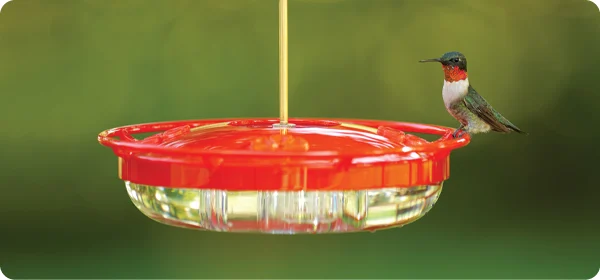
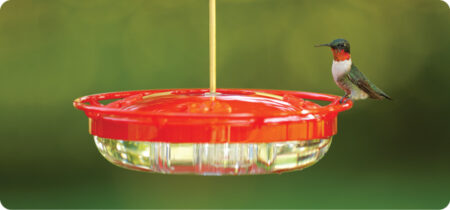
For those eager to witness this fascinating feeding behavior up close, specialized feeders can enhance the viewing experience. Feeders with clear plastic bases, such as those offered by Wild Birds Unlimited, allow observers to clearly see the rapid lapping action of the hummingbird’s tongue as it feeds. This intimate view provides a deeper appreciation for the complex biology of these small birds.
Beyond the Feeder: Observing Hummingbird Behavior
The appeal of hummingbirds extends far beyond their ability to visit feeders. Their behavior is a constant source of fascination. Watching them dart and hover with incredible agility is a spectacle in itself. They often engage in territorial disputes, fanning their tails and chasing rivals away from prime feeding spots.
A keen eye might also spot subtle details that offer clues about their recent activities. A dusting of yellow pollen on a hummingbird’s forehead indicates a recent visit to flowers, highlighting their role as pollinators. Their vocalizations, often described as chittering or squeaking, can be heard even over the incessant hum of their wings, a sound produced by the rapid beating of their wings at speeds of 50 to 80 times per second.
The Broader Ecological Significance
Hummingbirds play a vital role in their ecosystems, primarily as pollinators. As they flit from flower to flower in search of nectar, they inadvertently transfer pollen, contributing to the reproductive success of numerous plant species. This mutualistic relationship underscores the interconnectedness of nature and the importance of supporting these small creatures.
The presence of hummingbirds can also serve as an indicator of environmental health. Their reliance on specific floral resources and their sensitivity to habitat changes mean that their populations can reflect the overall well-being of an ecosystem. Declines in hummingbird numbers can signal broader environmental issues that require attention.

A Continuous Source of Wonder
The journey of the hummingbird, from their wintering grounds to their summer breeding territories, is a testament to the resilience and adaptability of nature. The wait for their arrival, while sometimes lengthy, is consistently rewarded with the vibrant presence of these aerial acrobats. Whether observing their intricate feeding mechanisms, their territorial disputes, or simply the flash of their iridescent plumage, hummingbirds offer a continuous source of wonder and a profound connection to the natural world.
For those seeking to deepen their understanding and appreciation of these remarkable birds, resources like the WBU Nature Centered Podcast offer engaging insights. Episode 72, "Hooray for Hummingbirds," delves into the intricacies of attracting and observing these avian wonders, providing expert advice to enhance the backyard birding experience. This dedication to education and fostering a connection with nature is a hallmark of organizations like Wild Birds Unlimited, which has been dedicated to bringing people and nature together for decades. Their commitment extends from providing specialized products and expert advice to promoting conservation and understanding of backyard wildlife.
The Enduring Appeal of the Hummingbird
The enduring appeal of hummingbirds lies in their delicate beauty, their energetic flight, and their remarkable migratory feats. They embody a sense of wonder and the magic of the natural world, reminding us of the intricate balance of ecosystems and the importance of preserving habitats that support these extraordinary creatures. The patience required to witness their arrival is a small price to pay for the joy and inspiration they bring, solidifying their status as truly worthwhile visitors.
