
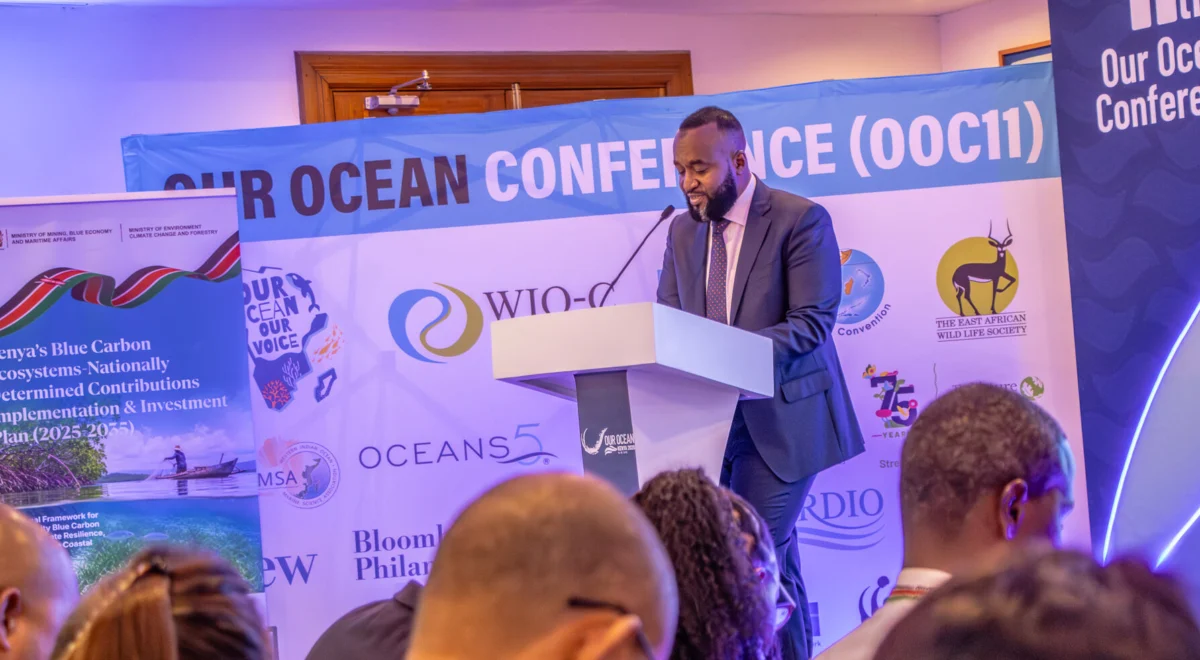
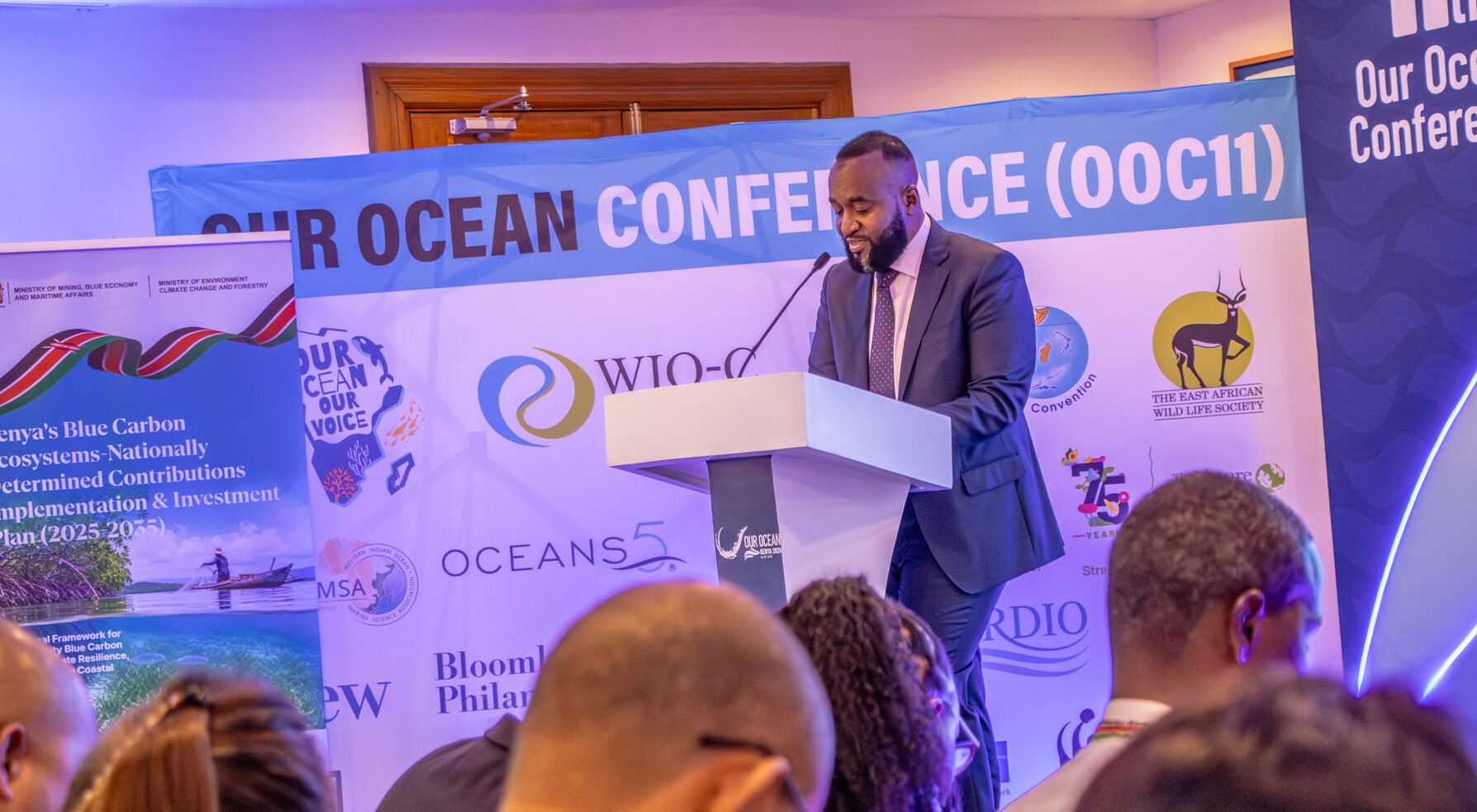
The Government of Kenya has unveiled a landmark strategy to harness the power of its coastal ecosystems for climate action and economic development, marking a significant stride in its commitment to global environmental goals. The Blue Carbon Ecosystems NDC Implementation and Investment Plan 2025–2035, officially launched at the prestigious 11th Our Ocean Conference (OOC11), provides a comprehensive roadmap for the conservation and restoration of Kenya’s vital blue carbon habitats. This ambitious plan underscores the nation’s dedication to meeting its climate change obligations while fostering sustainable economic growth and enhancing coastal resilience.
Developed through a rigorous multi-agency collaboration, the plan was spearheaded by a dedicated Technical Working Group comprising key stakeholders from the Ministry of Environment, Climate Change and Forestry, and the Ministry of Mining, Blue Economy and Maritime Affairs. The resulting framework is designed to be actionable and investable, focusing on the deployment and restoration of mangroves, seagrasses, and other coastal wetlands. These ecosystems are recognized globally for their immense capacity to sequester carbon dioxide, playing a crucial role in mitigating climate change. The plan effectively consolidates Kenya’s Nationally Determined Contributions (NDCs) across two commitment cycles (2020–2030 and 2031–2035) into a unified national strategy, ensuring a cohesive and sustained approach to climate action.
Ambitious Targets for a Sustainable Future
The Blue Carbon Ecosystems NDC Implementation and Investment Plan sets forth ambitious targets, aiming to restore at least 75% of degraded mangrove areas, create an estimated 70,000 new jobs, and mobilize a substantial USD 620 million in investments by the year 2035. These objectives highlight the plan’s dual focus on environmental restoration and socio-economic empowerment, recognizing the intrinsic link between healthy ecosystems and thriving communities. The successful achievement of these targets is anticipated to yield significant returns, not only in terms of carbon emission reductions but also through enhanced biodiversity, improved fisheries productivity, and increased coastal protection.
The Critical Importance of Blue Carbon Ecosystems
The overarching vision articulated in the plan is the creation of a climate-resilient coastal Kenya, where blue carbon ecosystems flourish, thereby supporting the well-being of its people, its rich natural heritage, and its burgeoning economy. These ecosystems, which include mangroves, seagrass beds, and salt marshes, are remarkably effective carbon sinks. Globally, they are estimated to store up to 10 times more carbon per hectare than terrestrial forests, making their preservation and restoration a critical component of global climate change mitigation efforts.

Kenya’s extensive coastline is home to approximately 61,000 hectares of mangroves and 39,000 hectares of seagrass beds. These vital habitats are estimated to store over 75 million tonnes of carbon dioxide equivalent (tCO2e), a figure that represents a significant contribution to the nation’s carbon sequestration capacity. Furthermore, these blue carbon ecosystems are indispensable for the health of marine life and the livelihoods of coastal communities. They serve as critical nurseries and feeding grounds for a vast array of fish species, supporting an estimated 80% of coastal fisheries and providing direct employment for over 800,000 artisanal fishers. The economic and social value derived from these ecosystems extends far beyond carbon sequestration, encompassing food security, tourism, and coastal protection.
However, these invaluable natural assets are under severe threat. Historical data indicates a concerning decline in mangrove cover, with an estimated 40% loss having occurred over time. Current rates of degradation continue to be a cause for alarm, with ongoing losses reported at 0.57% annually, translating to thousands of hectares lost each year. Similarly, seagrass beds are experiencing a decline of 0.26% per year. The cumulative impact of this degradation is substantial, leading to an estimated annual economic loss of KES 6 billion. This economic toll is incurred through increased coastal erosion, significant biodiversity loss, and heightened vulnerability to coastal hazards such as storm surges and sea-level rise.
A Testament to Commitment and Leadership

Dr. Deborah Barasa, Cabinet Secretary for the Ministry of Environment, Climate Change and Forestry, emphasized the strategic importance of the plan. "This initiative reaffirms Kenya’s commitment to the Paris Agreement’s transparency framework and strengthens our position as a regional leader in ocean-climate resilience and sustainable development," she stated. Her remarks highlighted the plan’s alignment with international climate commitments and its role in positioning Kenya as a frontrunner in adopting innovative climate solutions.
Echoing this sentiment, Dr. James Kairo, Chief Scientist at the Kenya Marine and Fisheries Research Institute and a member of the International Blue Carbon Scientific Working Group, underscored the plan’s practical implications. "This plan is critical for mobilizing the science, partnerships, and financial resources required to protect and restore Blue Carbon Ecosystems (BCEs), ensuring they align seamlessly with Kenya’s climate and development goals," Dr. Kairo explained. "By advancing BCEs investments, Kenya can drive meaningful climate action and promote sustainable development." His statement points to the comprehensive nature of the plan, which aims to bridge the gap between scientific understanding, policy implementation, and tangible investment.
Key Result Areas Driving Implementation

The Blue Carbon Ecosystems plan is meticulously structured around five Key Result Areas, designed to guide the implementation process and ensure the achievement of its overarching objectives. While the specific details of these areas were not fully enumerated in the provided text, their overarching aim is to foster comprehensive action across the spectrum of blue carbon management. These areas likely encompass:
- Ecosystem Restoration and Conservation: Focusing on practical measures to restore degraded mangroves and seagrass beds, as well as implementing robust conservation strategies to protect existing healthy ecosystems. This would involve reforestation efforts, sustainable land-use planning, and enforcement of protective regulations.
- Climate Change Mitigation and Adaptation: Quantifying the carbon sequestration potential of these ecosystems and integrating this into national climate mitigation strategies. Simultaneously, the plan would address how these ecosystems contribute to coastal adaptation measures, such as buffering against storm surges and erosion.
- Sustainable Livelihoods and Economic Development: Creating direct employment opportunities through restoration and conservation activities, and enhancing the productivity of fisheries that depend on these habitats. This also includes exploring innovative blue carbon financing mechanisms and nature-based tourism.
- Research, Monitoring, and Evaluation: Establishing robust systems for monitoring the health and extent of blue carbon ecosystems, assessing their carbon sequestration rates, and evaluating the effectiveness of implemented strategies. This ensures adaptive management and continuous improvement.
- Policy, Governance, and Stakeholder Engagement: Strengthening the legal and policy framework governing blue carbon ecosystems, fostering inter-agency coordination, and ensuring the active participation of local communities, private sector, and civil society in decision-making and implementation.
A Collaborative Effort: The Role of Development Partners
The successful formulation and anticipated implementation of the Kenya Blue Carbon Ecosystems Plan are a testament to the power of collaboration. The plan benefited immensely from the technical expertise and financial support of a wide array of development partners and regional organizations. These include, but are not limited to:
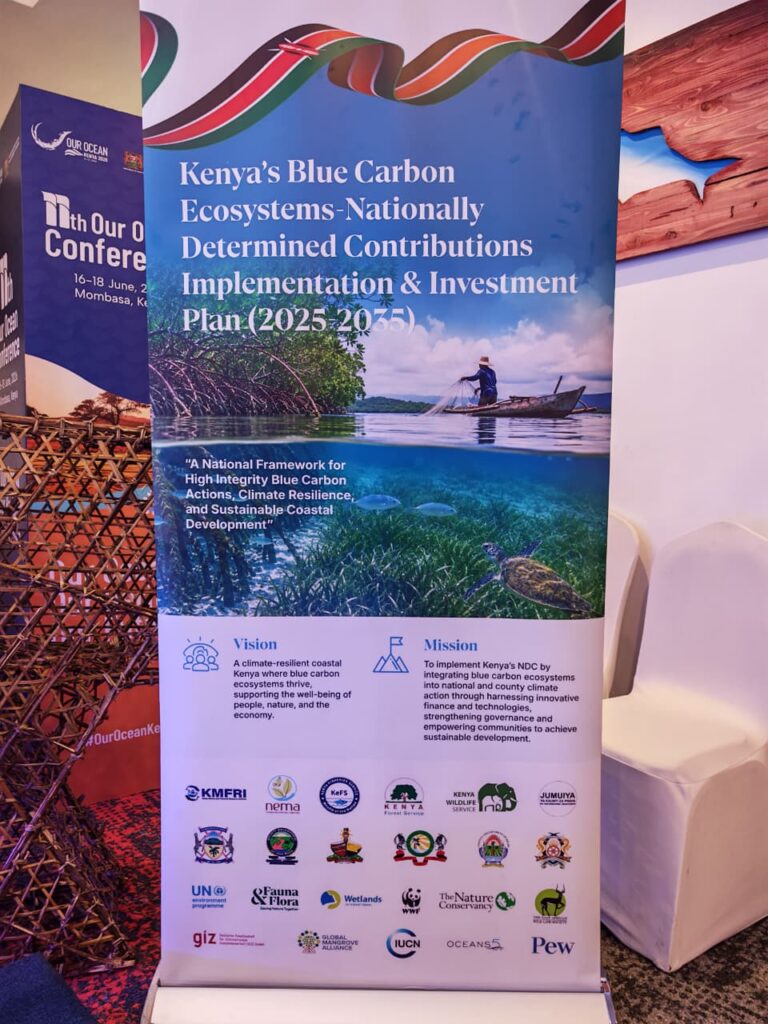
- Fauna & Flora: Contributing to biodiversity conservation efforts and potentially supporting ecosystem restoration projects.
- The Pew Charitable Trusts: Acknowledged for their support in advancing blue carbon initiatives and policy development.
- The International Union for Conservation of Nature (IUCN): Providing scientific guidance and conservation expertise.
- Wetlands International Eastern Africa: Playing a pivotal role in advocating for wetland conservation and contributing to the plan’s strategic direction.
- World Wide Fund (WWF) Kenya: Engaging in conservation programs and advocating for sustainable resource management.
- The Nature Conservancy (TNC): Offering expertise in conservation science and finance, particularly in the realm of blue carbon.
- Global Mangrove Alliance: A collaborative platform that supports mangrove conservation and restoration globally.
- The East African Wildlife Society: Contributing to the understanding and protection of wildlife and habitats in the region.
- GIZ (Deutsche Gesellschaft für Internationale Zusammenarbeit): Likely providing technical assistance and supporting sustainable development initiatives.
- United Nations Environment Programme (UNEP): Offering global perspective and support for environmental policy and action.
- Government of Canada: Demonstrating international commitment to climate action and sustainable development in partner countries.
Dr. Julie Mulonga, Regional Director at Wetlands International Eastern Africa, highlighted the significance of this collective effort. "This Plan is an important step because it brings together what Kenya has been building over the years: science, policy, community knowledge, and partnerships into one clear roadmap for action," she stated. "We know that protecting mangroves and seagrass is not only about conserving nature. It is about supporting fisheries, strengthening livelihoods, building resilience to climate change and creating opportunities for coastal communities. The real work now is implementing the Plan in partnership with the people who are already stewarding these ecosystems every day." Her words underscore the importance of local stewardship and community involvement in achieving the plan’s ambitious goals.
George Maina, Africa Fisheries Strategy Manager at TNC, further elaborated on the plan’s role in bridging ambition and action. "We are excited to be part of this process, ensuring we continue to catalyze the adoption of blue carbon ecosystems and ocean actions into NDCs," he said. "To achieve lasting and enduring impact, community-led solutions, sustainable finance, and enabling conditions are needed to drive action. This plan will help bridge the existing gap between climate ambitions and action." This perspective emphasizes the need for practical, community-driven approaches and innovative financing to translate strategic plans into tangible results.
Projected Outcomes for 2035

The vision for 2035, as outlined by the plan, is one of significant environmental and economic transformation. By this target year, Kenya aims to achieve several key outcomes:
- Emission Reduction: Reduce between 0.68 and 0.69 million tonnes of carbon dioxide equivalent (tCO2e) in emissions through enhanced carbon sequestration by blue carbon ecosystems.
- Coastal Resilience: Avert an estimated USD 200 to 500 million in coastal damages by strengthening natural defenses against erosion and storm surges.
- Fisheries Productivity: Increase fisheries productivity by 25%, directly benefiting an estimated 300,000 to 600,000 households that rely on marine resources for their livelihoods.
- Regional Leadership: Solidify Kenya’s position as a regional and global leader in ocean-based climate action, serving as a model for other nations seeking to leverage their coastal and marine resources for sustainable development and climate mitigation.
Hon. Hassan Ali Joho, Cabinet Secretary for Mining, Blue Economy & Maritime Affairs, lauded the collaborative spirit that characterized the plan’s development. "We commend the collaboration between government, research institutions, partners, civil society, and coastal communities in developing this plan," he stated. "We urge all stakeholders to continue supporting its implementation to protect and sustainably manage Kenya’s Blue Carbon Ecosystems." His call to action emphasizes the ongoing need for sustained engagement and commitment from all parties involved.
The launch of the Blue Carbon Ecosystems NDC Implementation and Investment Plan 2025–2035 signifies a pivotal moment for Kenya. It represents a bold commitment to safeguarding its natural capital, enhancing climate resilience, and fostering sustainable economic opportunities. By investing in its blue carbon ecosystems, Kenya is not only fulfilling its international climate responsibilities but also charting a course towards a more prosperous and secure future for its coastal communities and the nation as a whole. The successful implementation of this comprehensive plan will undoubtedly serve as a beacon of hope and a testament to the power of strategic environmental stewardship.
