
The critical coastal stretch between Hoek van Holland and Bergen aan Zee, long revered by ornithologists and recognized as an Important Bird and Biodiversity Area (IBA), has now been officially designated as a marine Special Protected Area (SPA). This pivotal decision, a direct outcome of the North Sea Agreement and a legal obligation under the EU Birds Directive, marks a monumental step in the Netherlands’ commitment to marine conservation, effectively completing the protective mosaic along its entire coastline. The approximately 100,000-hectare (1,000 km²) area, larger than the city of Berlin, fills a crucial geographical gap, linking existing protected zones and offering an unprecedented level of safeguarding for an impressive array of coastal and seabirds.
A Crucial Sanctuary for Avian Diversity
The ecological significance of the newly designated Hollandse Kust SPA cannot be overstated. For decades, research and direct observation have consistently highlighted its role as an indispensable resting, feeding, and staging ground for numerous avian species. Its rich marine environment, characterized by varied depths, currents, and benthic communities, provides abundant food sources, from small fish and crustaceans to molluscs and marine invertebrates, catering to the diverse dietary needs of its resident and migratory bird populations.
Among the species for which this area meets the stringent criteria for SPA designation are several of significant conservation concern. The Great Cormorant (Phalacrocorax carbo), a powerful piscivore, relies on these waters for productive foraging. The Little Gull (Hydrocoloeus minutus), the smallest of the gull species, finds crucial feeding grounds here, often forming large flocks. The majestic Great Crested Grebe (Podiceps cristatus), known for its elaborate courtship display, thrives in the area’s fish-rich waters. The elegant Sandwich Tern (Thalasseus sandvicensis), a specialist feeder on small shoaling fish, depends on undisturbed areas for successful foraging.
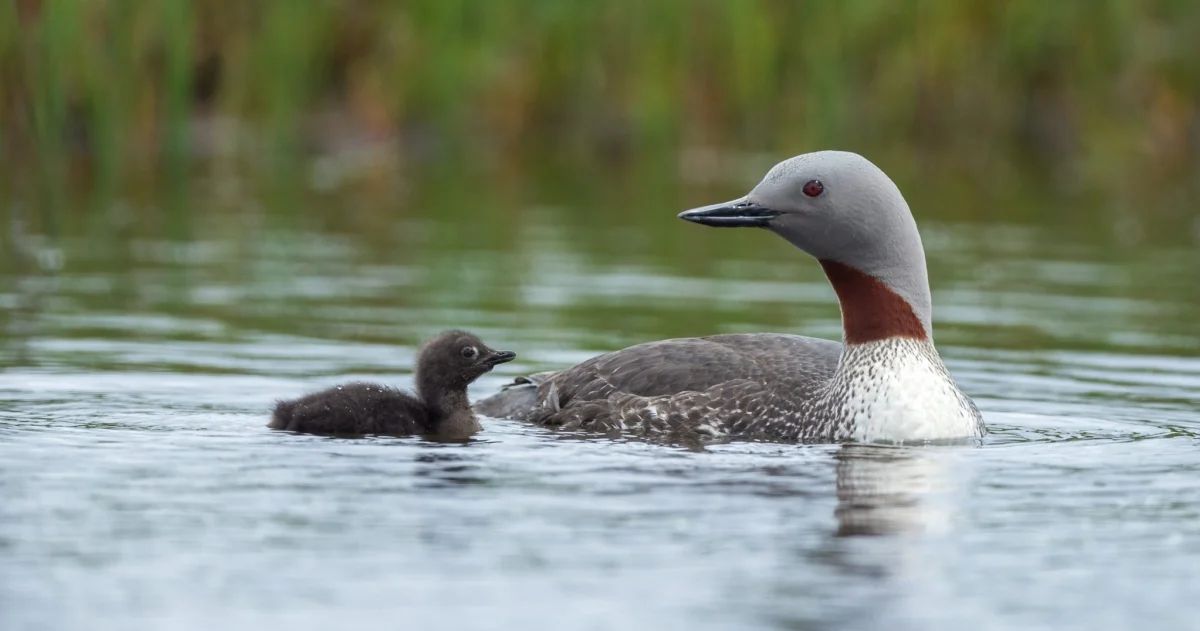
Other key species include the Lesser Black-backed Gull (Larus fuscus) and the common Black-headed Gull (Chroicocephalus ridibundus), both highly adaptable gulls that utilize the coastal zone for feeding and resting. The Red-throated Loon (Gavia stellata), a migratory diver, uses these waters during its non-breeding season. The Mew Gull (Larus canus), also known as Common Gull, is a regular visitor, along with the Greater Scaup (Aythya marila), a diving duck species often found in large wintering flocks. The ubiquitous European Herring Gull (Larus argentatus), a generalist scavenger, also benefits from the area’s resources. Finally, the Common Scoter (Melanitta nigra), another diving duck, forms extensive rafts off the coast, feeding on molluscs from the seabed. For all these species, the Hollandse Kust provides essential habitat, supporting their survival and reproductive success across their life cycles. Many of these species face threats from habitat loss, disturbance, and climate change across their wider ranges, making the protection of critical areas like the Hollandse Kust even more vital.
Completing the Dutch Coastal Conservation Mosaic
The Hollandse Kust SPA is not an isolated measure but a strategic piece in a larger, interconnected network of protected areas. Geographically, it bridges a critical gap, seamlessly connecting the existing SPA Voordelta in the south with the SPA North Sea Coastal Zone in the north. The Voordelta, established earlier, protects vital shallow coastal waters and sandbanks, crucial for migratory waders, terns, and various fish species. To its north, the North Sea Coastal Zone SPA safeguards a broader expanse of marine and coastal habitats, including important breeding and feeding grounds for seabirds and marine mammals. The addition of Hollandse Kust ensures a continuous stretch of protected marine and coastal environment, extending protection across the entire Dutch coastline. This integrated approach is fundamental to ecological resilience, allowing for the free movement of species and the maintenance of healthy ecosystem processes across a broader landscape. Such connectivity is particularly important for migratory species that rely on a chain of suitable habitats along their routes.
The EU Birds Directive: A Cornerstone of European Conservation
The designation of the Hollandse Kust SPA is a direct fulfillment of the Netherlands’ obligations under the European Union’s Birds Directive (Directive 2009/147/EC, previously Directive 79/409/EEC). Adopted in 1979, the Birds Directive is one of the EU’s oldest pieces of environmental legislation and forms the backbone of the Natura 2000 network, a continent-wide system of protected areas. Its primary objective is the long-term conservation of all wild bird species naturally occurring in the European territory of the Member States.
Under the Directive, Member States are required to identify and classify Special Protection Areas (SPAs) for rare or vulnerable species, as well as for regularly occurring migratory species. The criteria for identifying SPAs are scientifically robust, based on population size, density, and habitat quality. Once designated, SPAs are subject to strict protection measures. Member States must take appropriate steps to avoid habitat deterioration and significant disturbance of the species for which the areas have been designated. Any plan or project not directly connected with or necessary to the management of the site but likely to have a significant effect thereon must be subject to an appropriate assessment of its implications for the site in view of the site’s conservation objectives. This legal framework provides a powerful tool for safeguarding biodiversity against various pressures, from industrial development to unsustainable resource extraction.
The North Sea Agreement: A Collaborative Framework for Sustainability
Further reinforcing the legal imperative for this designation is the North Sea Agreement (Noordzeeakkoord), a comprehensive, multi-stakeholder accord signed in 2020. This agreement brought together the Dutch government, environmental organizations, fishing industry representatives, energy sector companies, and other stakeholders with the shared goal of achieving a sustainable balance between economic activities and ecological protection in the North Sea. Recognizing the immense ecological value of the North Sea, but also the increasing demands placed upon it by shipping, fishing, energy production (wind farms), and other human uses, the Agreement sought to establish clear pathways for sustainable development.
A key pillar of the North Sea Agreement was the commitment to enhance nature protection, including the expansion and effective management of protected areas. The designation of the Hollandse Kust SPA is a tangible outcome of this commitment, demonstrating the capacity for collaborative governance to deliver on ambitious environmental targets. The Agreement’s emphasis on balancing various interests ensures that while nature protection is prioritized, a framework for responsible economic activity within and around protected areas is also considered, albeit under strict environmental safeguards.
A Timeline of Progressive Protection
The journey towards the comprehensive protection of the Dutch coastal zone has been a protracted one, marked by scientific endeavor, policy development, and persistent advocacy:
- 1979: The EU Birds Directive is adopted, laying the legal foundation for SPAs across Europe.
- Early 1990s: Recognition of the Hollandse Kust as an Important Bird Area (IBA) by BirdLife International, based on extensive ornithological research. This early identification provided the scientific basis for future protection efforts.
- Late 1990s – 2000s: Initial designations of marine SPAs in the Netherlands, including the Voordelta and parts of the North Sea Coastal Zone, begin to establish a network of protected areas. However, the central Hollandse Kust stretch remained an unprotected gap.
- 2010s: Intensified research and monitoring by organizations like Vogelbescherming (BirdLife Netherlands) further solidify the scientific case for the Hollandse Kust’s designation, highlighting the increasing pressures on its bird populations.
- 2020: The North Sea Agreement is signed, explicitly committing the Dutch government to expand marine protected areas and address existing gaps in the Natura 2000 network in the North Sea. This agreement provided the political momentum required for the Hollandse Kust designation.
- 2021-2023: Intensive preparatory work by the Ministry of Agriculture, Nature and Food Quality, in collaboration with scientific experts and environmental NGOs, to finalize the ecological justification and administrative procedures for the Hollandse Kust SPA designation.
- Present Day: The official announcement of the Hollandse Kust as a marine Special Protected Area, filling the last major gap in the Dutch coastal protection network.
- Later this Year: The Dutch Parliament is expected to publish a draft designation decision. This crucial document will legally define the precise geographical boundaries of the SPA and explicitly list the specific bird species for which it is being designated, thereby solidifying its legal status.
- Subsequent Phase: The development and implementation of a comprehensive management plan. This plan will detail the conservation measures necessary to prevent disturbance, counteract habitat deterioration, and promote the recovery of the protected species. It will also outline how human activities within or adjacent to the SPA will be regulated.
Implementing Protection: The Road Ahead
The designation of the Hollandse Kust as an SPA is a significant milestone, but it also marks the beginning of a new phase of active management and enforcement. Following the parliamentary draft decision, the focus will shift to developing a robust and effective management plan. This plan will be a living document, informed by scientific research and stakeholder input, designed to achieve the conservation objectives for the designated species.
Key components of the management plan will include:
- Conservation Measures: Specific actions to maintain and restore habitats, such as managing sand dynamics, ensuring water quality, and controlling invasive species where applicable.
- Disturbance Prevention: Regulations and monitoring to minimize human disturbance to birds, particularly during sensitive periods like breeding, migration, and wintering. This could involve restrictions on recreational activities, shipping routes, or fishing methods in certain zones or at specific times.
- Habitat Deterioration Prevention: Measures to mitigate threats such as pollution, noise, and physical damage to the seabed or coastal features. This might include stricter controls on discharges, responsible anchoring practices, and guidelines for offshore infrastructure development.
- Monitoring and Research: Ongoing scientific monitoring of bird populations, habitat health, and the effectiveness of conservation measures. This data will be crucial for adaptive management, allowing the plan to be adjusted based on new information and changing environmental conditions.
Crucially, the legal framework dictates that human activities within the SPA will only be permitted if it can be demonstrated with absolute certainty that they will have no significant negative effects on the species the area is designed to protect. This "appropriate assessment" requirement, a cornerstone of the EU Birds and Habitats Directives, places a high bar on any proposed development or activity, ensuring that nature conservation remains the paramount consideration. This principle is a powerful deterrent against potentially harmful projects and a safeguard for the ecological integrity of the site.
Voices from the Field: Reactions and Endorsements
The announcement has been met with widespread acclaim from environmental organizations and government officials, underscoring the collaborative effort behind this achievement.
"This is a truly landmark moment for nature conservation in the Netherlands and across Europe," stated Fred Wouters, Director of Vogelbescherming Nederland (BirdLife Netherlands). "After years of tireless work, dedication, and robust scientific advocacy, seeing the Hollandse Kust finally receive the protection it so desperately needs is incredibly rewarding. This achievement proves that when governments, civil society, and scientists work together with a shared vision, meaningful nature protection is not just possible, but essential for our future. The thousands of birds that rely on this vital stretch of coast, from the elegant Sandwich Tern to the resilient Greater Scaup, now have a real chance to thrive."
A spokesperson from the Dutch Ministry of Agriculture, Nature and Food Quality (LNV) affirmed the government’s commitment: "The designation of the Hollandse Kust as a Special Protected Area underscores the Netherlands’ unwavering commitment to its international environmental obligations under the EU Birds Directive and the goals set forth in the North Sea Agreement. This decision is fair for nature and strategically vital for the long-term health of our marine ecosystems. We recognize the profound ecological value of this area and are dedicated to developing and implementing a robust management plan that ensures its effective protection for generations to come, balancing conservation with responsible human use where appropriate."
While generally supportive of environmental protection, representatives from certain industrial sectors, such as offshore energy and fisheries, have often emphasized the need for balanced implementation. A hypothetical spokesperson from a North Sea industry association might comment: "We acknowledge the importance of protecting marine biodiversity and respect the legal obligations of the Birds Directive. Our industry is committed to operating sustainably and responsibly. As the management plan for the Hollandse Kust SPA is developed, we look forward to constructive dialogue with the Ministry and environmental groups to ensure that conservation measures are effective, evidence-based, and implemented in a way that allows for the continued responsible development of key economic sectors, contributing to both ecological health and national prosperity." Such statements reflect the ongoing challenge of integrating conservation goals with economic interests in a highly utilized marine environment.
Broader Implications and Future Outlook
The designation of the Hollandse Kust SPA carries profound implications, extending far beyond its geographical boundaries.
Ecological Impact: The most immediate and significant impact will be on the biodiversity of the North Sea. By protecting this crucial link, the SPA enhances the resilience of entire marine ecosystems. It safeguards not only the listed bird species but also the complex food webs and habitats upon which they depend. A healthier marine environment is better equipped to withstand pressures from climate change, pollution, and other anthropogenic factors. It contributes to greater species diversity, more robust fish stocks, and overall ecosystem stability, benefiting all forms of marine life.
Legal and Policy Reinforcement: This designation reinforces the Netherlands’ adherence to EU environmental law, setting a positive precedent for other Member States to fulfill their Natura 2000 obligations. It demonstrates the power of binding directives in driving national conservation efforts. Furthermore, it validates the multi-stakeholder approach championed by the North Sea Agreement, proving that ambitious environmental targets can be achieved through collaborative governance.
Socio-Economic Considerations: While conservation measures may entail certain restrictions on human activities, the long-term socio-economic benefits of a healthy marine environment are substantial. Sustainable tourism, including birdwatching and eco-tourism, can flourish in well-managed protected areas. Healthy fish stocks, supported by thriving ecosystems, contribute to the sustainability of fisheries. Moreover, the North Sea’s role in climate change mitigation (e.g., carbon sequestration by marine habitats) and coastal protection (e.g., stable dune systems) provides invaluable ecosystem services. The careful implementation of the management plan will be crucial in balancing these various interests.
A Model for Conservation: The success of the Hollandse Kust designation serves as a powerful model for future conservation efforts globally. It underscores the critical role of scientific research in identifying vital areas, the importance of robust legal frameworks, and the necessity of persistent advocacy by civil society organizations. It demonstrates that strategic, gap-filling protection measures can yield significant dividends for biodiversity.
The Ongoing Challenge: While a cause for celebration, the designation is not an end in itself. The long-term success of the Hollandse Kust SPA will depend on continuous monitoring, adaptive management in the face of climate change and evolving human pressures, and rigorous enforcement of its protective measures. The North Sea remains a busy and complex environment, and vigilance will be required to ensure that the ecological integrity of this newly protected area is maintained and enhanced for future generations.
In conclusion, the designation of the Hollandse Kust as a marine Special Protected Area represents a landmark achievement for nature conservation in the Netherlands and a significant contribution to European biodiversity. It is a testament to sustained scientific effort, dedicated advocacy, and political will, ensuring that a vital sanctuary for numerous bird species is safeguarded for the future, completing a comprehensive coastal protection network and offering a beacon of hope for marine ecosystems.
