
Lisa Steele, a fifth-generation poultry expert and the founder of the influential Fresh Eggs Daily brand, has announced the upcoming release of a significantly revised 10th Anniversary edition of her third book, Gardening with Chickens. Scheduled for publication on March 17, the new volume represents a comprehensive update of the 2015 original, incorporating a decade of expanded horticultural expertise, new livestock management techniques, and a shift in focus toward gardening in extreme northern climates. The release comes at a time of heightened interest in domestic food security and sustainable homesteading, as more households across North America look toward integrated backyard ecosystems to supplement their food supplies.

The revised edition is published in partnership with Homestead Living and arrives as the original version was slated to go out of print. This milestone provides an opportunity for Steele to address the evolving needs of the modern homesteader, moving beyond basic chicken-keeping to explore the complex symbiotic relationship between poultry and the vegetable garden. The update is not merely cosmetic; it includes refined advice on managing flocks in sub-zero temperatures, a broader range of livestock including geese and ducks, and professional insights gained through the University of Maine Cooperative Extension Service’s Master Gardener program.
The Evolution of a Homesteading Authority
The journey toward the 10th Anniversary edition began in 2015, a pivotal year for Steele that coincided with a major geographic and climatic transition. Moving her operations from the temperate climate of Virginia to the rugged environment of Maine, Steele faced a steep learning curve that would eventually form the backbone of the new book’s content. The transition involved a move from USDA Plant Hardiness Zone 8b, characterized by mild winters and long growing seasons, to Zone 5a, where winter temperatures frequently drop below zero degrees Fahrenheit.

This shift necessitated a total re-evaluation of established gardening and animal husbandry practices. In Virginia’s Zone 8b, the average annual extreme minimum temperature ranges from 15 to 20 degrees Fahrenheit. In contrast, Maine’s Zone 5a sees temperatures plummet to between -15 and -20 degrees Fahrenheit. The 10th Anniversary edition documents this transition, providing readers with a dual perspective on gardening in both heat-stressed and frost-heavy environments. Steele’s narrative underscores the necessity of adaptability in homesteading, a theme that resonates with a global audience currently facing increasingly volatile weather patterns.
To bolster her technical knowledge following the move, Steele enrolled in and completed the Master Gardener Volunteer program offered by the University of Maine. This rigorous certification provides participants with research-based training in specialty crops, soil health, and pest management. The integration of this formal scientific training with Steele’s "old-timer" natural methods distinguishes the new edition from its predecessor, offering a more robust framework for readers looking to maximize their garden’s yield while maintaining a healthy flock.

Chronology of Development and Publication
The timeline of the 10th Anniversary edition reflects a deliberate effort to modernize the text while preserving the core philosophy of natural poultry keeping.
- 2015: The first edition of Gardening with Chickens is published as Steele moves from Virginia to Maine.
- 2016–2022: Steele expands her Maine homestead, adding geese to her existing flock of chickens and ducks. She completes her Master Gardener training and begins experimenting with cold-hardy crops and northern-climate infrastructure, such as raised beds and specialized fencing.
- Late 2023: As the original edition approaches its ten-year mark and nears the end of its print run, Steele begins discussions with Homestead Living to re-issue the book.
- 2024: A comprehensive "fine-toothed comb" review of the original manuscript is conducted. Steele removes outdated information and inserts new chapters on geese, cold-climate landscaping, and advanced soil management.
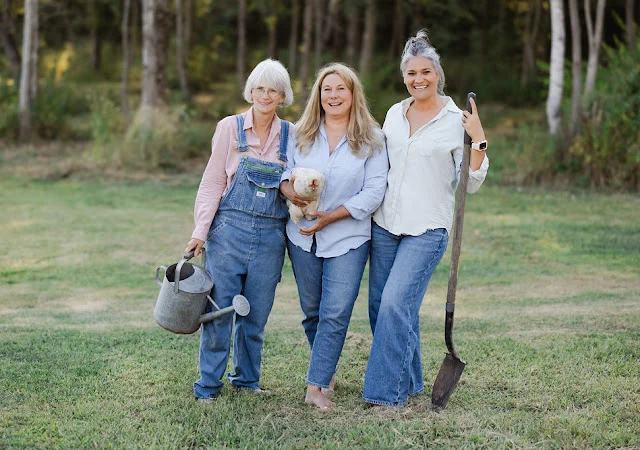
- Summer 2024: A three-day intensive photography session is held on Steele’s farm. Eschewing traditional stock photography, Steele enlists close associates to capture authentic, high-resolution imagery of her actual gardens and livestock, emphasizing the community and friendship aspects of the homesteading lifestyle.
- March 17, 2025: The official release date for the 10th Anniversary edition, made available through major retailers including Amazon and Homestead Living.
Supporting Data: The Rise of the Backyard Flock
The re-release of Gardening with Chickens is situated within a broader socio-economic trend. According to data from the American Pet Products Association (APPA) and supplemental agricultural surveys, the number of U.S. households owning backyard chickens has seen a steady increase over the last decade. In 2018, it was estimated that approximately 8% of American households owned chickens. By 2023, following the disruptions of the COVID-19 pandemic and a significant spike in commercial egg prices, that number was estimated to have grown, with some urban areas reporting a 25% increase in permits for backyard poultry.

Furthermore, the "Victory Garden" resurgence has seen a parallel growth. A 2023 report from the National Gardening Association indicated that 35% of U.S. households are now growing some of their own food. The intersection of these two trends—poultry keeping and vegetable gardening—is where Steele’s work finds its primary audience. The 10th Anniversary edition addresses the specific challenges of this intersection, such as "chicken-scaping" (landscaping that is both attractive and resistant to chicken damage) and using poultry manure as a high-nitrogen fertilizer without damaging delicate plant roots.
Technical Enhancements and New Content
A significant portion of the new edition is dedicated to the integration of geese into the backyard ecosystem. While the 2015 edition focused primarily on chickens, Steele’s experience in Maine led her to recognize the unique benefits of geese as "weeder" animals. Unlike chickens, which may scratch up mulch and damage young seedlings, certain breeds of geese are more selective, often targeting specific grasses and weeds while leaving larger garden plants intact.

The updated text also provides expanded guidance on:
- Infrastructure for Extreme Cold: Designing coops and runs that can withstand heavy snow loads and sub-zero temperatures without the use of dangerous heat lamps.
- Crop Selection for Zone 5a: Practical advice on growing short-season crops such as garlic, leafy greens, and cold-hardy root vegetables.
- Advanced Fencing Solutions: Strategies for protecting gardens from both domestic poultry and local wildlife, a critical concern in more rural northern regions.
- Natural Pest Management: Leveraging the foraging instincts of chickens and ducks to reduce reliance on chemical pesticides, a core tenet of Steele’s "Fresh Eggs Daily" philosophy.
Official Responses and Collaborative Efforts
The team at Homestead Living has expressed high levels of enthusiasm for the project. In statements regarding the collaboration, the publisher highlighted Steele’s ability to bridge the gap between traditional agricultural wisdom and modern aesthetic sensibilities. The decision to re-shoot the entire book’s photography was a central part of this strategy, ensuring that the visual component of the book matched the high-quality production standards of contemporary lifestyle and gardening publications.

Steele herself noted that the project was a labor of love, involving a three-day shoot that highlighted her personal gardens and the bond she shares with her fellow gardeners. This emphasis on the social and emotional rewards of homesteading is a recurring theme in her work, which often focuses on the "natural, old-timer" methods that prioritize animal welfare and environmental stewardship.
Broader Impact and Implications for Sustainable Living
The release of the 10th Anniversary edition of Gardening with Chickens reflects a broader cultural shift toward self-sufficiency and environmental consciousness. As climate change continues to alter growing seasons and increase the frequency of extreme weather events, the demand for localized, resilient food systems is expected to rise. Steele’s transition from Zone 8b to Zone 5a serves as a practical case study for this adaptability.

By providing a blueprint for an integrated backyard ecosystem, Steele’s work contributes to the reduction of the carbon footprint associated with industrial food production. Backyard flocks provide a source of protein and fertilizer, while gardens provide fresh produce and a destination for composted coop bedding. This closed-loop system is a fundamental component of the "permiculture" movement, which seeks to create agricultural systems that are modeled after natural ecosystems.
As the homesteading movement matures, the need for expert-led, experience-based literature becomes more acute. The 10th Anniversary edition of Gardening with Chickens aims to meet this need, offering a decade’s worth of trial, error, and success to a new generation of growers and poultry keepers. With its release on March 17, the book is poised to remain a foundational text in the library of sustainable living, updated for the challenges of a new decade.
