
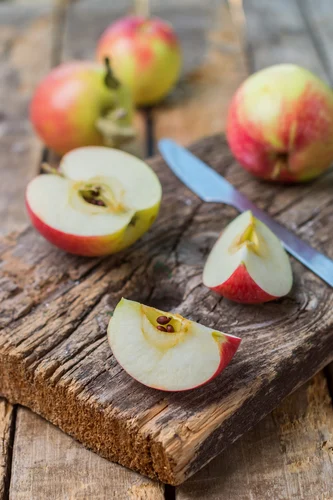
The practice of supplementing commercial poultry feed with kitchen scraps has seen a significant resurgence as backyard chicken keeping transforms from a niche hobby into a mainstream domestic activity. Among the various fruits offered to flocks, apples remain a perennial favorite due to their availability, palatability, and nutritional density; however, veterinary experts and poultry specialists warn that while the flesh of the apple is a healthful treat, the seeds harbor a chemical compound capable of releasing hydrogen cyanide, posing a potential health risk to avian populations. This duality of the apple—as both a source of vital antioxidants and a carrier of cyanogenic glycosides—requires a nuanced understanding of avian physiology and proper food preparation to ensure flock longevity and productivity.
The Nutritional Profile of Malus Domestica for Avian Species
Apples, scientifically known as Malus domestica, provide a variety of micronutrients that can enhance the overall health of a backyard flock. When administered in moderation, the flesh and peel of the apple offer a significant source of dietary fiber, specifically pectin. Fiber is essential for maintaining the motility of the avian digestive tract and supporting a diverse microbiome within the ceca, where fermentation occurs.
Furthermore, apples are rich in Vitamin C (ascorbic acid) and various polyphenolic compounds. While chickens can synthesize their own Vitamin C, supplemental intake is particularly beneficial during periods of environmental stress, such as extreme heat or molting, when the bird’s natural reserves may be depleted. The antioxidants found in apple peels help neutralize free radicals, potentially reducing systemic inflammation and bolstering the immune response against common pathogens like E. coli or Salmonella.

Hydration is another critical factor. With a water content hovering around 86%, apples serve as an excellent supplemental hydration source during the summer months. Poultry keepers often utilize apples not just for nutrition, but for behavioral enrichment. Hanging a cored apple from a string—a method often referred to as "chicken tetherball"—encourages physical activity and reduces pecking boredom, which can lead to aggressive behaviors within the coop.
The Chemical Threat: Amygdalin and Hydrogen Cyanide
Despite the clear benefits of the fruit’s flesh, the seeds of the apple present a distinct toxicological challenge. Apple seeds contain a substance known as amygdalin, a cyanogenic glycoside. Amygdalin itself is relatively inert; however, when the seed is crushed or chewed, it comes into contact with specific enzymes, leading to a chemical reaction that releases hydrogen cyanide (HCN).
In the context of a chicken’s anatomy, the risk is amplified by the function of the gizzard. Unlike humans, who might swallow a seed whole—allowing it to pass through the digestive system intact—chickens possess a muscular gizzard filled with grit designed to pulverize hard materials. This mechanical grinding effectively breaks open the seed coat, facilitating the enzymatic breakdown of amygdalin and the subsequent release of cyanide into the bird’s bloodstream.
Cyanide is a potent mitochondrial toxin. It works by inhibiting cytochrome c oxidase, an enzyme essential for cellular respiration. Effectively, cyanide prevents cells from utilizing oxygen, leading to "internal asphyxiation" even if the bird is breathing normally. While the amount of cyanide in a few apple seeds is rarely enough to cause acute mortality in a healthy adult hen, the cumulative effect can be devastating for younger chicks, elderly birds, or those with compromised respiratory or cardiovascular systems.

Clinical Symptoms of Cyanide Poisoning in Poultry
Recognizing the signs of cyanide toxicity is vital for any poultry keeper. Because cyanide affects the oxygenation of the blood and the functionality of vital organs, the symptoms are often rapid and severe.
One of the most telling clinical signs in poultry is the discoloration of the comb and wattles. A healthy chicken typically displays a vibrant red comb; however, a bird suffering from oxygen deprivation or cyanide exposure may exhibit a blue or purple hue, a condition known as cyanosis. This is accompanied by clear signs of respiratory distress, including open-mouth breathing, gasping, and shortness of breath.
As the toxin progresses, the bird may experience neurological and cardiovascular symptoms. These include a rapid heart rate (tachycardia) followed by cardiac arrhythmia, chest pain (often manifested as a hunched, lethargic posture), and a sudden drop in blood pressure. In severe cases, the bird will lose consciousness, fall into a coma, and suffer from cardiac arrest. Because chickens have a high metabolic rate, the window for intervention is narrow, making prevention through proper food preparation the only reliable strategy.
Broader Context: Stone Fruits and Cyanogenic Glycosides
The risk of cyanide poisoning is not limited to apples. A variety of "stone fruits"—fruits characterized by a large, hard pit—contain similar toxic compounds within their kernels. This group includes peaches, plums, apricots, and cherries.

In these fruits, the amygdalin is concentrated within the soft kernel inside the hard, woody pit. While it is unlikely that a chicken could crack open a peach or plum pit on its own, the risk remains if the pits are damaged or if the keeper provides the fruit in a crushed state. To mitigate this, experts recommend a universal "pit and core" policy. By halving the fruit and removing the central seed or pit before offering it to the flock, keepers can provide the nutritional benefits of the fruit while entirely eliminating the chemical risk.
The 10% Rule: Maintaining Dietary Balance
Beyond the specific risks of toxicity, poultry nutritionists emphasize the importance of dietary balance. Modern commercial poultry feeds are precision-engineered to provide the exact ratio of proteins, fats, minerals, and vitamins required for egg production and skeletal health. When keepers introduce excessive amounts of treats—even healthy ones like apples—they risk "nutritional dilution."
The industry standard, often cited by experts such as Lisa Steele of Fresh Eggs Daily, is that treats should not exceed 10% of a chicken’s total daily caloric intake. For an average laying hen, this equates to approximately one to two tablespoons of supplemental food per day. Overfeeding apples can lead to an intake of excess sugar and a deficiency in essential amino acids and calcium. Over time, this imbalance can result in obesity, reduced egg production, and poor shell quality.
Chronology of Modern Poultry Diet Evolution
The understanding of what constitutes a "safe" treat has evolved significantly over the last century. In the early 20th century, farm chickens were largely scavengers, eating whatever fallen fruit and insects they could find. However, the mortality rates in these flocks were often high and poorly understood.

As poultry science advanced in the 1950s and 60s, the focus shifted toward "complete feeds" that maximized growth and output. The risks of specific compounds like amygdalin became better documented through veterinary toxicology. In the current era, characterized by the "backyard revolution," there is a renewed focus on holistic and natural feeding. This has led to a surge in educational resources aimed at preventing common household poisoning, as many new keepers are unaware that common kitchen staples—such as raw green potato skins, dried beans, or apple seeds—can be lethal to birds.
Official Responses and Expert Recommendations
Agricultural extension offices and veterinary associations across North America have stepped up efforts to educate the public on avian nutrition. The consensus among these organizations is that while the "scraps-to-eggs" pipeline is an efficient form of recycling, it must be managed with scientific rigor.
Experts suggest that keepers implement a "prep station" for kitchen scraps. Rather than tossing whole apples into the coop, keepers are encouraged to use a coring tool. This simple step ensures that no seeds are present. Furthermore, slicing the apple into smaller pieces prevents the fruit from becoming a substrate for mold if it is not consumed immediately. Moldy fruit can contain mycotoxins, such as aflatoxin, which are equally dangerous to poultry health.
Broader Impact and Implications for Sustainable Homesteading
The discussion surrounding apple seeds and chicken safety is a microcosm of the larger movement toward sustainable, informed homesteading. As more families look to reduce their carbon footprint by diverting food waste to livestock, the demand for accurate toxicological information increases.

The implications of this knowledge extend to animal welfare. Ensuring that a flock is not exposed to preventable toxins like cyanide is a fundamental aspect of responsible animal husbandry. Moreover, as the price of commercial feed fluctuates due to global economic pressures, the ability to safely supplement a flock’s diet with local, seasonal produce like apples becomes an economic necessity for many small-scale producers.
In conclusion, apples represent a valuable resource for the backyard chicken keeper, providing essential nutrients and mental stimulation for the flock. However, the presence of amygdalin in the seeds serves as a critical reminder of the physiological differences between humans and avian species. By adhering to the practice of coring and pitting fruit, and by maintaining the 10% dietary rule, keepers can harness the benefits of nature’s bounty while safeguarding the health and vitality of their birds. The transition from a "trash-can" feeding mentality to a "curated-supplement" approach is essential for the modern, successful poultry enthusiast.
