

From Mombasa, Kenya, our teams from East Africa and the Global Office joined partners, governments, communities, and investors at the 11th Our Ocean Conference, a pivotal global gathering dedicated to the health and sustainability of the world’s marine ecosystems. Under the resonant theme, "Our Ocean, Our Heritage, Our Future," the conference convened from June 20-23, 2026, bringing together over 1,500 delegates from more than 100 countries. This esteemed event, now a biennial fixture on the international environmental calendar, serves as a critical platform for fostering dialogue, forging partnerships, and securing concrete commitments for ocean conservation and sustainable use.
The 11th iteration of the Our Ocean Conference marked a significant milestone, being the first to be held on the African continent, a region with vast coastlines and a deep dependence on marine resources. Mombasa, a vibrant port city with a rich maritime history, provided a fitting backdrop for discussions that underscored the interconnectedness of ocean health, human livelihoods, and the global climate. Wetlands International, represented by its East Africa and Global Office delegations, actively participated in the multifaceted discussions, emphasizing the vital role of coastal wetlands in delivering tangible benefits for people, nature, and climate.
The conference agenda was packed with a series of intensive panel discussions, crucial networking events, high-level partner meetings, and engaging community-led conversations. Through these platforms, Wetlands International and its collaborators made a compelling case for the recognition and enhanced investment in coastal wetlands as nature-based solutions. The focus of their advocacy centered on three interconnected pillars: the ecological resilience provided by these vital habitats, the socio-economic benefits they sustain for coastal communities, and their critical function in climate change mitigation and adaptation.
Coastal wetlands, including mangroves, salt marshes, seagrass meadows, and coral reefs, are often overlooked in broader ocean conservation discourse, which tends to gravitate towards pelagic environments and large marine megafauna. However, their importance cannot be overstated. These ecosystems act as natural nurseries for a vast array of marine life, supporting commercially important fish populations and biodiversity. They also serve as formidable natural barriers, protecting coastlines from storm surges, erosion, and the impacts of rising sea levels – a growing concern for vulnerable coastal communities worldwide. Furthermore, these ecosystems are highly effective carbon sinks, sequestering and storing significant amounts of carbon dioxide from the atmosphere, a process vital for global climate regulation.
Thematic Focus: Coastal Wetlands as Nature-Based Solutions
Wetlands International’s participation at the Our Ocean Conference 11 was strategically designed to elevate the profile of coastal wetlands. Their teams engaged with a diverse range of stakeholders, including government representatives, intergovernmental organizations, non-governmental organizations, private sector investors, and local community leaders. The core message resonated throughout their engagements: investing in the restoration and sustainable management of coastal wetlands is not merely an environmental imperative but a sound economic and social investment.
The discussions highlighted specific contributions of coastal wetlands:
- Biodiversity Hotspots and Fisheries Support: Coastal wetlands are among the most biodiverse ecosystems on Earth. For instance, mangrove forests alone are estimated to support over 2,000 species of fish and invertebrates, many of which are crucial for local and regional fisheries. The health of these nursery grounds directly impacts the sustainability of fish stocks, providing food security and livelihoods for millions of people.
- Climate Change Mitigation and Adaptation: Coastal wetlands are potent carbon sinks. Mangroves, for example, can store up to five times more carbon per hectare than tropical rainforests. The estimated annual carbon sequestration potential of global mangrove ecosystems alone is substantial, contributing significantly to global climate mitigation efforts. Simultaneously, their ability to absorb wave energy and buffer coastal erosion makes them indispensable allies in adapting to the escalating impacts of climate change, such as increased storm intensity and sea-level rise.
- Community Resilience and Livelihoods: Beyond ecological services, coastal wetlands provide direct economic benefits through sustainable fisheries, aquaculture, tourism, and the provision of natural resources like timber and medicinal plants. For many coastal communities, these wetlands are intrinsically linked to their cultural heritage and traditional practices, forming the bedrock of their socio-economic stability and resilience.
Partnerships and Commitments: A Catalyst for Action
The Our Ocean Conference is renowned for its focus on generating concrete commitments, often termed "blue solutions." While the original article snippet does not detail specific commitments made by Wetlands International or their partners, the spirit of the conference is to translate discussions into tangible actions. Typically, such commitments involve financial pledges for conservation projects, the establishment of new marine protected areas, innovative policy frameworks, and capacity-building initiatives.
During the conference, Wetlands International likely engaged in bilateral meetings with potential funders and government agencies to explore avenues for increased investment in coastal wetland conservation and restoration projects across East Africa and beyond. The presence of investors at the conference signals a growing recognition within the financial sector of the economic viability and long-term returns associated with nature-based solutions. The organization would have aimed to showcase the return on investment in healthy coastal ecosystems, demonstrating how their protection safeguards critical infrastructure, supports thriving economies, and enhances human well-being.
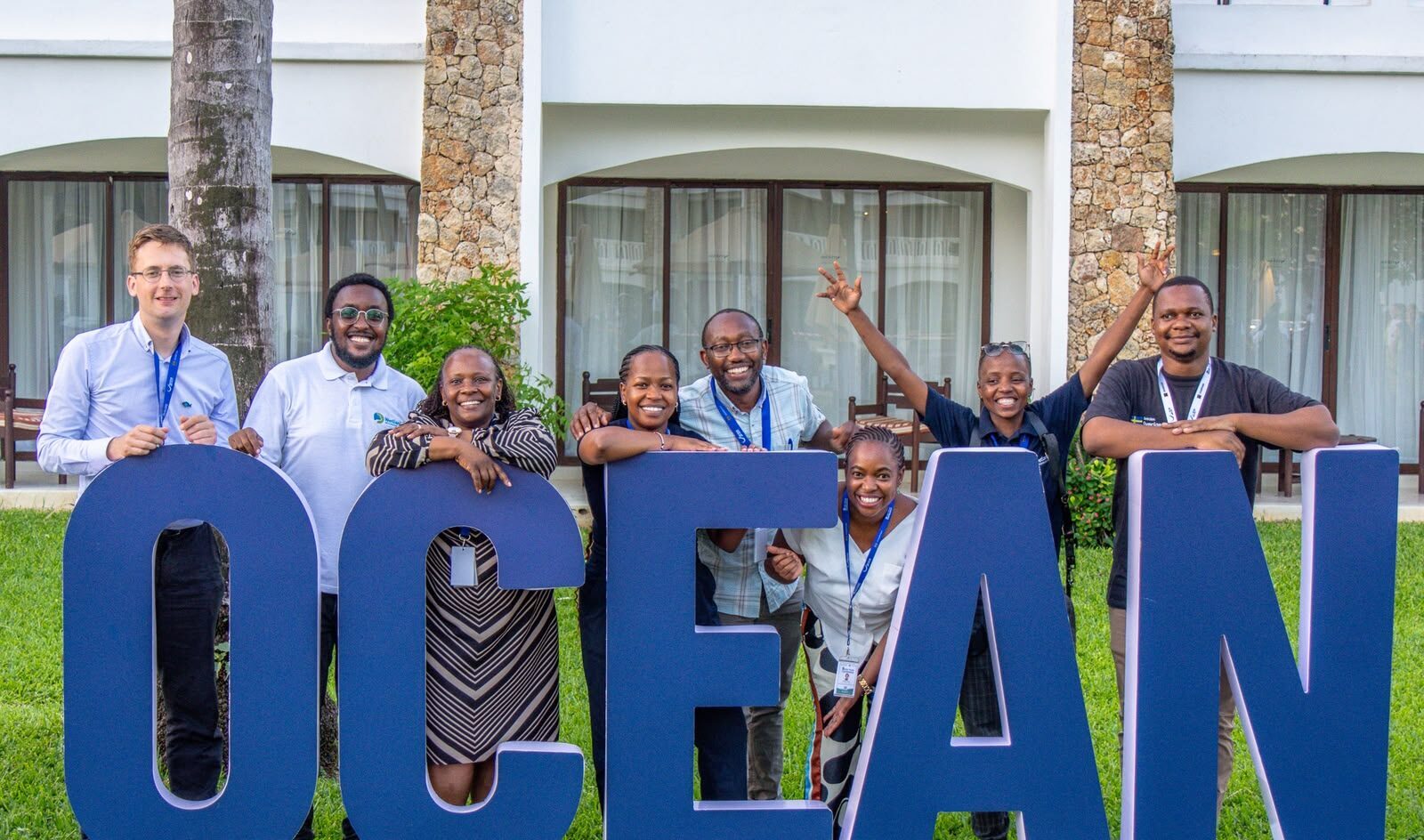
The theme "Our Ocean, Our Heritage, Our Future" underscored the intergenerational responsibility to protect marine resources. This resonates deeply with the work of Wetlands International, which focuses on long-term ecological health and the sustainable use of natural resources for the benefit of present and future generations. The conference provided an opportune moment to forge new alliances and strengthen existing ones with governmental bodies, international organizations, and civil society groups that share this vision.
Background and Context of the Our Ocean Conference
The Our Ocean Conference series was initiated in 2014 by the U.S. Department of State, with the aim of bringing together diverse stakeholders to address pressing ocean issues. Since its inception, the conference has been instrumental in generating over $22.3 billion in commitments and the designation of over 5 million square miles of new marine protected areas. The conference rotates hosts, with previous editions held in Washington D.C., Valparaiso (Chile), Malta, Bali (Indonesia), Oslo (Norway), and Palaus (Palau).
Each conference focuses on a set of thematic areas, typically including:
- Marine Pollution: Addressing the pervasive issue of plastic waste, chemical pollution, and other contaminants impacting marine ecosystems.
- Climate Change: Focusing on the effects of rising temperatures, ocean acidification, and deoxygenation on marine life and coastal communities.
- Sustainable Fisheries: Promoting responsible fishing practices, combating illegal, unreported, and unregulated (IUU) fishing, and ensuring the long-term health of fish stocks.
- Marine Renewable Energy: Exploring opportunities for sustainable energy generation from ocean resources.
- Marine Protected Areas (MPAs): Expanding the network of protected marine areas to conserve biodiversity and ecosystem functions.
- Sustainable Blue Economy: Promoting economic activities that utilize ocean resources in a way that is environmentally sustainable and socially equitable.
The 11th Our Ocean Conference in Mombasa was particularly significant for its emphasis on the unique challenges and opportunities facing African nations, which possess extensive coastlines and a profound reliance on healthy marine and coastal ecosystems. The selection of Mombasa also highlighted the growing importance of coastal wetlands within the broader ocean conservation agenda.
A Glimpse into Wetlands International’s Engagement
The visual materials accompanying the original article snippet, described as a slideshow with nine images, likely captured the essence of Wetlands International’s active participation. These images would have depicted:
- Delegates in Discussion: Representatives from Wetlands International engaged in conversations with government officials, scientists, and community leaders, fostering collaboration and knowledge exchange.
- Panel Sessions: Speakers from the organization presenting their expertise on coastal wetland conservation, climate resilience, and the blue economy.
- Networking Events: Delegates interacting, building relationships, and exploring potential partnerships for future projects.
- Community Interactions: Moments highlighting the direct engagement with local communities who depend on and are stewards of coastal wetlands.
- Thematic Displays: Visual representations of the benefits and importance of coastal wetlands, perhaps featuring infographics or photographs of thriving ecosystems.
These visual elements would have served to humanize the scientific and policy discussions, showcasing the dedication and collaborative spirit of the individuals working towards ocean conservation.
Looking Ahead: Sustaining Momentum
The conclusion of the 11th Our Ocean Conference in Mombasa marks not an end, but a crucial inflection point. The commitments made, the partnerships forged, and the renewed understanding of the critical role of coastal wetlands will need to be translated into sustained action. For Wetlands International and its partners, the inspiration drawn from Mombasa is a powerful motivator to continue advocating for the protection and restoration of these vital ecosystems.
The growing recognition that healthy coastal wetlands are essential for generations to come is a testament to the persistent efforts of organizations like Wetlands International and the increasing global awareness of the interconnectedness of planetary health. The focus on the theme "Our Ocean, Our Heritage, Our Future" serves as a potent reminder that the decisions made today will profoundly shape the health of our planet and the prosperity of its inhabitants for decades to come. The successful engagement in Mombasa provides a strong foundation for future endeavors in securing a vibrant and resilient ocean for all.
