
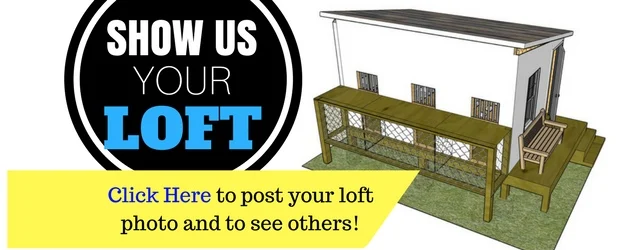
The architecture and design of a racing pigeon loft represent more than mere housing; they serve as the fundamental infrastructure for competitive success in the international sport of pigeon racing. As the global community of fanciers continues to evolve, the importance of structural design, ventilation, and environment in managing high-performance avian athletes has become a central focus of industry discourse. By inviting members of the Pigeon Insider community to share visual documentation of their facilities, the organization seeks to facilitate a knowledge-exchange platform that highlights the diversity and technical sophistication of modern loft management.
The Evolution of Loft Design in Competitive Racing
Historically, the pigeon loft has transitioned from rudimentary shelters to highly engineered environments. The primary objective of any modern loft is to balance the requirements of biosecurity, climate control, and accessibility for the handler. Professional fanciers emphasize that a well-designed loft must mitigate the risks of respiratory issues—often caused by poor airflow or humidity—while providing enough security to protect birds from predators and environmental extremes.
The trend toward sharing photographic evidence of loft setups allows for a comparative analysis of different regional styles. For instance, lofts in humid, temperate climates often prioritize massive ventilation systems and open-front designs, whereas facilities in colder regions frequently incorporate heating elements and insulated materials to maintain consistent ambient temperatures during the winter months. This cross-pollination of architectural ideas is essential for the continuous improvement of the sport.
Chronology of Community Engagement Initiatives
The current call for members to display their facilities is part of a decade-long initiative by industry publications to move beyond theoretical advice and toward practical, community-driven demonstration.
- 2009–2011: Early industry efforts focused on publishing white papers and expert articles regarding the technical aspects of breeding, such as artificial incubation and the management of embryonic development. These articles established the baseline for what constitutes a "professional" standard in the sport.
- 2012–2014: The focus shifted toward operational efficiency. Discussions regarding "Widowhood" training—a specific method of racing—and the implementation of rigorous health programs became the industry standard. During this period, the dialogue began to shift toward whether specialized print publications or digital community hubs were more effective at disseminating these complex techniques.
- 2017–Present: The digital era has enabled the transition to visual-first communication. By utilizing social media platforms as extensions of the core news site, organizations like Pigeon Insider have effectively turned the "loft inspection" into a crowd-sourced audit of best practices, allowing novices to see exactly how champions organize their feed rooms, trap systems, and nesting boxes.
Technical Implications of Structural Environment
Data analysis within the pigeon racing industry consistently shows a strong correlation between environment and race results. According to several veterinary studies on avian performance, oxygen saturation levels in the loft play a critical role in the endurance of racing pigeons. A loft that lacks proper cross-ventilation—specifically, one that fails to replace stale air with fresh oxygenated air at night—can lead to a buildup of ammonia, which is detrimental to the bird’s respiratory system.
When fanciers share images of their lofts, they are inadvertently revealing their management philosophy. A clean, well-lit, and systematically organized loft typically signals a high level of discipline, which is a leading indicator of success in the racing season. The materials used, such as cedar wood for perches or specific types of flooring, also impact hygiene. Non-porous surfaces are increasingly preferred over traditional wood in some regions to prevent the accumulation of bacteria and parasites, highlighting the ongoing shift toward clinical standards in loft management.
Comparative Analysis of Global Loft Standards
The "Show Us Your Loft" initiative highlights the regional variations inherent in the sport. In Western Europe, particularly in Belgium and the Netherlands—the heartlands of the sport—lofts are often integrated into existing structures, such as attics or purpose-built garden outbuildings, optimized for the region’s specific weather patterns. In contrast, in the United States and Australia, the larger land availability often results in more expansive, stand-alone structures that prioritize large flight aviaries.

These visual submissions allow for a real-time assessment of these global trends. By reviewing the submissions, observers can identify patterns in:
- Trapping Mechanisms: How efficiently birds can enter the loft after a race.
- Sectioning: The division of young birds, hens, and cocks to manage hormone levels and training motivation.
- Security Measures: The integration of modern technology, such as electronic timers and alarm systems to deter theft and predators.
Official Perspectives on Community Knowledge Sharing
Leading experts and seasoned fanciers often argue that the "secret" to winning is not just in the genetics of the bird, but in the environment in which it is raised. A spokesperson for the community noted that "visualizing the workflow" is the most effective way for a novice to overcome the learning curve. When a veteran fancier posts a picture of their nesting system, they are providing a blueprint that would otherwise take years of trial and error to develop.
The move to encourage members to post pictures is seen by many in the industry as a democratization of knowledge. By removing the gatekeepers of information, the community allows for a meritocratic display of skills. If a specific loft design consistently produces race winners, other members can replicate those design choices, thereby raising the overall competitive bar for the entire community.
The Broader Impact on the Sport’s Future
The implications of this initiative extend to the long-term sustainability of pigeon racing. As the sport competes with other hobbies for the attention of younger generations, the emphasis on high-tech, clean, and efficient loft design helps dispel outdated notions of the hobby. Modern, well-maintained lofts are aesthetically pleasing and reflect a high standard of animal husbandry, which is critical for public perception and regulatory compliance in urban or suburban environments.
Furthermore, the digital nature of these interactions provides a database of design precedents. As new fanciers enter the sport, they can search through years of archived images to find inspiration for their own setups. This reduces the barriers to entry and ensures that the technical knowledge of the "old guard" is successfully passed down to the next generation of racers.
Analysis of Health and Performance Interconnectivity
It is important to acknowledge that the loft is the primary interface between the bird’s health and its competitive performance. A loft that is not properly sealed against vermin, for example, can introduce diseases that compromise an entire team of birds within days. The visual documentation shared by the community acts as a form of peer review; if a member posts a photo of a loft with obvious flaws, such as overcrowding or inadequate light, the community feedback loop—often through comment sections—serves as a rapid-response educational tool.
This process of community-led monitoring is perhaps the most significant development in the industry’s recent history. It fosters an environment where health, safety, and performance are discussed openly, moving the sport toward a more professionalized, transparent, and data-driven future.
The initiative to "Show Us Your Loft" is, therefore, not merely a social exercise; it is a systematic contribution to the collective intelligence of the pigeon racing fraternity. By engaging with these visual resources, members are participating in the ongoing evolution of a sport that balances ancient traditions with the requirements of modern, high-performance animal management. As participants continue to upload their photos, the resulting archive will serve as a vital record of the architectural and managerial state of the sport, ensuring that the lessons of today inform the champions of tomorrow.
