
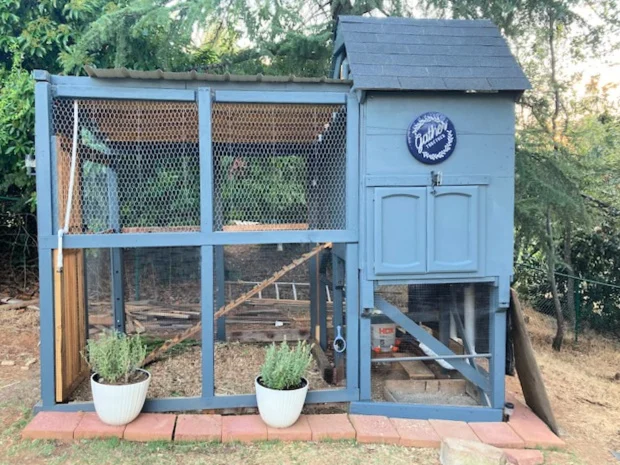
In Redding, California, a growing movement toward residential self-sufficiency and sustainable living has found a practical and cost-effective expression in the repurposing of existing outdoor structures. As the cost of specialized agricultural equipment and prefabricated outbuildings continues to rise, homeowners are increasingly turning to "upcycling"—the process of transforming discarded or underutilized items into something of higher value. A primary example of this trend is the conversion of children’s playhouses into functional, high-capacity chicken coops. This transition not only mitigates the significant initial investment typically required to start a backyard flock but also serves as a comprehensive educational project for families. By utilizing a combination of salvaged materials, donated components, and existing structures, one California family recently demonstrated that a high-quality "chicken mansion" could be realized for approximately $300, a fraction of the cost of retail alternatives which often exceed $1,500 to $3,000 for similar dimensions and durability.

The Economic Landscape of Backyard Poultry
The surge in backyard chicken keeping over the last decade has been driven by a confluence of factors, including volatile egg prices at the retail level, a desire for organic food sources, and an increased interest in regenerative agriculture at the household level. However, the primary barrier to entry for most aspiring poultry keepers remains the infrastructure. A professionally constructed chicken coop must meet several rigorous standards: it must be predator-proof, well-ventilated, weather-resistant, and provide adequate square footage for the birds to thrive.

Market data indicates that high-end, prefabricated coops designed for six to ten birds often retail between $1,200 and $4,000, depending on the materials and aesthetic finishes. Even mid-range models found at big-box hardware stores frequently utilize thin, pressurized wood that may only last a few seasons in harsh climates. In contrast, older children’s playhouses are often constructed from sturdier materials designed to withstand years of active use. By identifying these structures as the "bones" of a coop, families can bypass the most expensive and labor-intensive stage of construction: framing and roofing.

Chronology of a Conversion Project: The Redding Case Study
The conversion process undertaken by the Redding family provides a clear timeline for how such a project can be executed through collaborative effort and resourcefulness. The project began with the identification of a playhouse that the children—Mya (17), Ezra (12), Eden Rose (10), and Joel (8)—had outgrown. Rather than dismantling the structure for disposal, the family developed a plan to modify the interior and exterior to meet the biological needs of poultry.

The first phase involved sourcing materials. To maintain the $300 budget, the family engaged in aggressive "scrapping" and community networking. They acquired cabinet pieces, an old closet door, and various wood scraps. Community members contributed tin roof pieces and roof tiles free of charge, illustrating the social capital often involved in local sustainability projects.

The second phase focused on structural modification. The family repurposed cabinet doors to create easy-access hatches for egg collection and cleaning—a critical design feature that improves the ergonomics of daily maintenance. A hinged storage box, previously used for pool supplies, was dismantled and re-engineered into a brooder box for the initial stage of chick rearing.

The final phase was the aesthetic integration of the structure. Friends and family members participated in painting the coop to match the primary residence. This step, while seemingly cosmetic, serves a dual purpose: it protects the repurposed wood from the elements and ensures the structure complies with neighborhood aesthetic standards, which is often a requirement in suburban zoning regulations.

Technical Specifications and Material Upcycling
A successful conversion requires more than just a change in occupants; it requires technical adjustments to ensure bird health. In the Redding project, the use of a Dollar Tree mirror and a feather duster inside the brooder box highlights a sophisticated understanding of poultry psychology. Mirrors provide environmental enrichment for chicks, reducing stress by simulating the presence of others, while feather dusters can mimic the tactile comfort of a mother hen’s plumage.

The inclusion of a warming plate instead of a traditional heat lamp represents a move toward modern safety standards in poultry keeping. Heat lamps are a notorious fire hazard in coops; warming plates provide a safer, more energy-efficient alternative that mimics the natural warmth of a hen.

The choice of breed also plays a role in the long-term success of the coop. The Redding family focused on Barred Rocks, a heritage breed known for its docility, winter hardiness, and consistent egg production. By hatching two of their own chicks and supplementally purchasing others, the family engaged in the full lifecycle of poultry management. This required Ezra, the 12-year-old, to turn the eggs three times daily during the incubation period—a task that demands precision and commitment, illustrating the labor of love inherent in small-scale farming.

Educational and Developmental Implications
Beyond the economic savings, the conversion of a playhouse into a chicken coop offers significant educational value. For the four children involved, the project was a practical application of biology, engineering, and responsibility. The "devastation" mentioned by the mother regarding the chicks that did not survive the hatching process is a poignant example of the "hard lessons" of farm life. It introduces children to the realities of animal husbandry, the fragility of life, and the necessity of resilience.

The division of labor among the siblings—ranging from the physical construction to the meticulous care of the eggs—fosters a sense of ownership. When children are involved in the creation of the habitat, they are statistically more likely to remain engaged in the long-term care of the animals. This hands-on experience provides a counter-narrative to the digital-heavy lifestyles of modern youth, grounding them in the physical realities of food production.

Broader Impact: Sustainability and the Circular Economy
The Redding project is a microcosm of the "circular economy," an economic system aimed at eliminating waste and the continual use of resources. By repurposing a playhouse, the family prevented several hundred pounds of treated lumber and plastic from entering a landfill. Furthermore, by sourcing free materials from neighbors, they facilitated a local exchange that reduced the carbon footprint associated with manufacturing and transporting new building materials.

The implications for urban and suburban planning are notable. As more municipalities relax restrictions on backyard poultry, the demand for affordable housing for chickens will grow. The "playhouse-to-coop" model offers a blueprint for how high-density neighborhoods can integrate livestock without creating eyesores or excessive waste. It also demonstrates how existing residential infrastructure can be adapted to changing family needs over time.

Analysis of Long-Term Viability
While the $300 conversion is an impressive feat of budgeting, the long-term viability of such structures depends on ongoing maintenance. Repurposed wood must be monitored for rot, and the lack of professional-grade hardware cloth (often replaced by cheaper chicken wire in budget projects) can lead to predator breaches. However, the Redding family’s approach—using solid doors and tin roofing—suggests a level of durability that rivals many entry-level commercial coops.

Furthermore, the "family affair" aspect of the build ensures that there is a collective knowledge base for repairs. When the whole family understands how the coop was built, they are better equipped to fix it. This self-reliance is a cornerstone of the modern homesteading movement, which seeks to reduce the household’s dependence on external contractors and global supply chains.

Conclusion and Future Outlook
The conversion of a children’s playhouse into a "chicken mansion" in Redding, California, serves as a compelling case study in modern resourcefulness. It challenges the notion that starting a backyard flock must be a high-cost endeavor. Through the strategic use of salvaged materials and a collaborative family effort, the project achieved a balance of functionality, aesthetics, and education.

For those looking to replicate this success, the advice from experts like Lisa Steele and the experience of the Redding family suggest a clear path forward: look for existing structures on local marketplaces, engage the community for scrap materials, and involve the entire family in the process. As the girls in the Redding flock begin to slow their laying and new chicks are prepared for the spring, the cycle of the backyard coop continues, proving that with "some elbow grease, scraps, and odds and ends," the transition from a place of play to a place of production can be both seamless and deeply rewarding. This model of sustainable living not only provides fresh eggs but also cultivates a more resilient, environmentally conscious, and connected family unit.
