
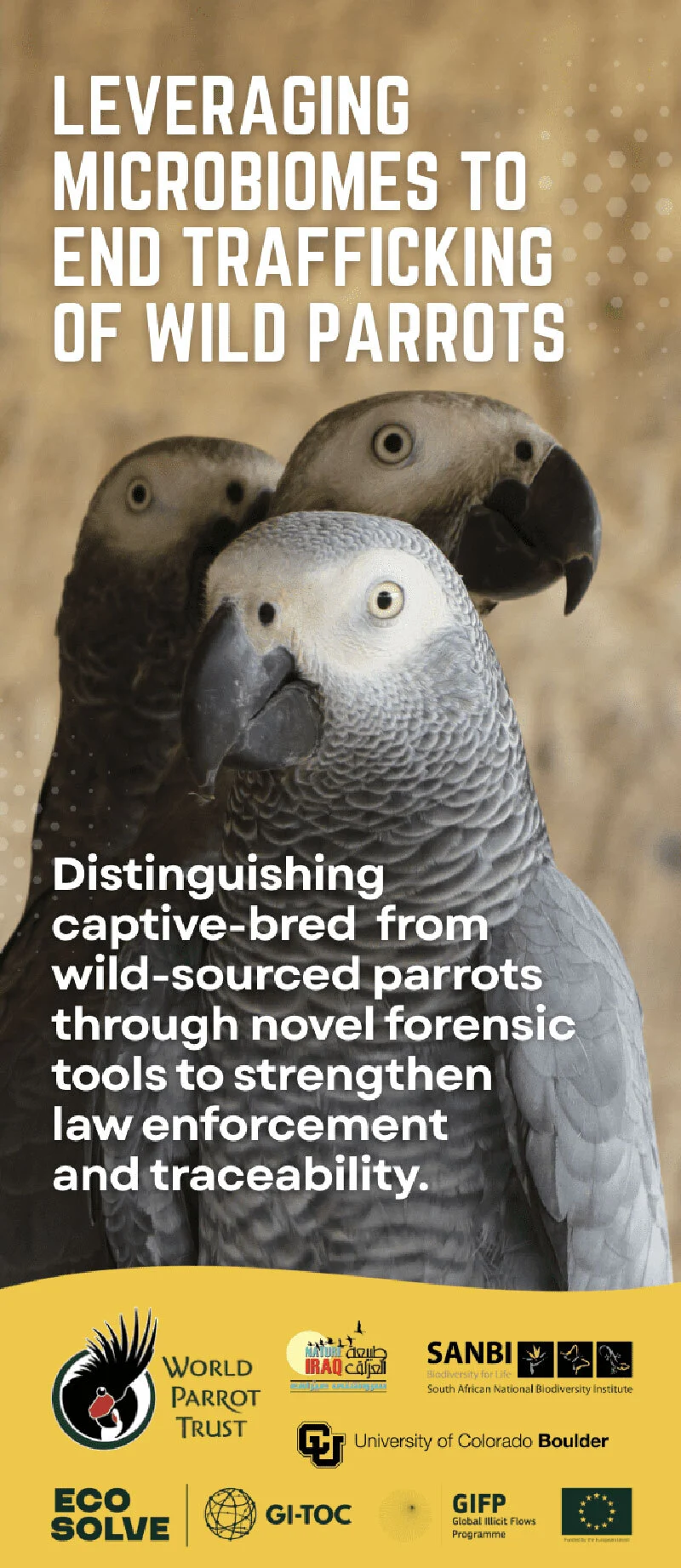
Groundbreaking advancements in genomics are ushering in a new era of scientific inquiry and investigative capabilities, particularly in the critical fight against the illegal wildlife trade. The development of sophisticated DNA sequencing technologies has empowered scientists to meticulously map entire genomes – the complete genetic blueprint of an organism. This technological leap has paved the way for innovative tools capable of identifying species with unparalleled accuracy, pinpointing individual animals, and even characterizing the complex genetic makeup of entire ecosystems through a field known as metagenomics. This transformative power of genomics is now being harnessed by conservationists and forensic scientists to dismantle trafficking networks and protect endangered species.
The Genomic Revolution in Conservation
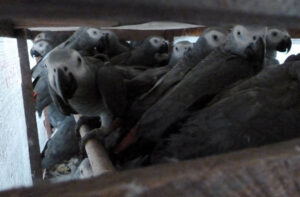
For decades, conservation efforts have grappled with the insidious challenge of illegal wildlife trafficking, a multi-billion dollar industry that decimates populations of rare and endangered species. A significant loophole exploited by traffickers involves the misrepresentation of wild-caught animals as captive-bred. This tactic launders illegally acquired specimens into legal trade channels, making it exceedingly difficult for authorities to distinguish between legitimate commerce and criminal activity. The sheer volume of animals, particularly parrots, bred and traded internationally creates fertile ground for this deception. Regulators face immense pressure to safeguard vulnerable wild populations from the relentless pressure of illegal capture, a task that has often been hampered by a lack of definitive proof of origin.
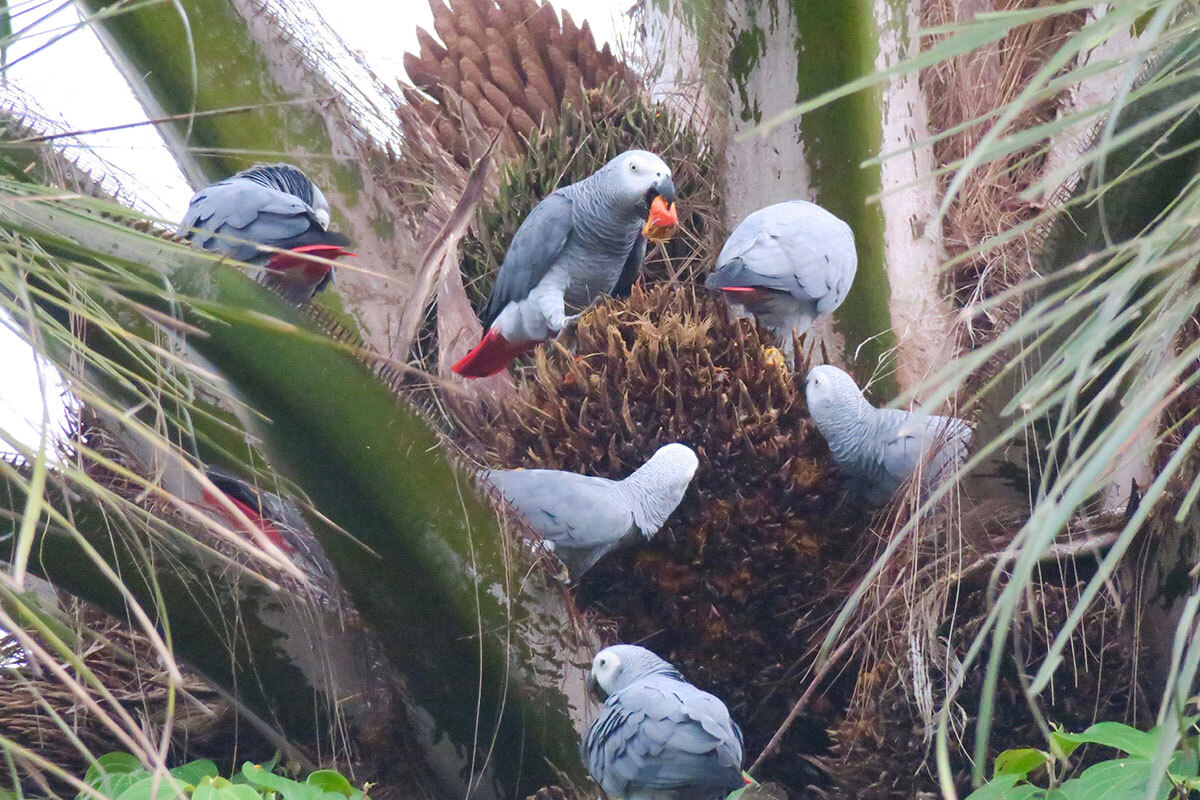
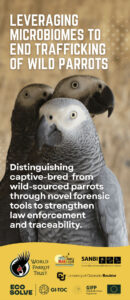
The application of genomics, specifically through the analysis of gut microbiomes, is emerging as a potent forensic tool to counter this deception. Researchers are developing methods to profile the unique microbial communities residing within the digestive tracts of animals. These microbiomes are highly sensitive to an animal’s environment and diet, effectively acting as a biological passport. By analyzing the microbial DNA present in a sample, scientists can create a distinct profile that can be compared to established databases of wild and captive-bred populations. This allows investigators to determine with a high degree of confidence whether a parrot was truly born and raised in captivity or if it was recently removed from its natural habitat.
African Grey Parrots: A Case Study in Genomic Intervention
The plight of the African grey parrot (Psittacus erithacus) serves as a poignant example of the challenges and the potential of genomic solutions. These highly intelligent and sought-after birds have been extensively traded, both legally and illegally, for decades. Since 2020 alone, it is estimated that over 46,000 African grey parrots have been exported from South Africa, with claims of them being "captive-bred." However, the World Parrot Trust, a leading organization dedicated to parrot conservation, has raised concerns about the potential for widespread mislabeling and the laundering of wild-caught birds into these legal export streams.
The World Parrot Trust has been at the forefront of advocating for and implementing advanced scientific methods to combat this issue. Their ongoing work involves collaborating with researchers and forensic scientists to develop and refine microbiome profiling techniques. This collaboration aims to provide tangible evidence that can be used by law enforcement agencies to verify the origin of traded parrots. The implication of this technology is profound: it can directly challenge fraudulent claims of captive breeding, thereby disrupting the financial incentives for illegal capture and trade. By providing irrefutable genetic evidence, conservationists can assist in prosecuting traffickers and dismantling the sophisticated networks that facilitate this illicit trade.
The Evolution of Sequencing Technology: From Lab to Field
Historically, the equipment required for DNA sequencing was substantial, with traditional sequencers often occupying the space of a large refrigerator. This meant that genetic analysis was largely confined to well-equipped laboratories, limiting its immediate application in field investigations or at border checkpoints. However, the rapid pace of technological innovation is rapidly changing this landscape.
The development of portable, miniaturized DNA sequencing devices, some no larger than a USB flash drive, promises to revolutionize the investigative field. These pocket-sized laboratories will allow for on-site sample analysis, providing rapid results and enabling immediate action by wildlife authorities. The advantages of such a development are manifold:
- Real-time Verification: Instead of waiting days or weeks for laboratory results, samples can be analyzed as they are collected, allowing for immediate decisions regarding confiscation or release of animals.
- Decentralized Forensics: This technology empowers field researchers and enforcement officers to conduct genetic analysis without needing to transport sensitive samples back to distant laboratories, reducing the risk of sample degradation or loss.
- Cost-Effectiveness: As portable sequencing technology becomes more widespread, it is expected to become more affordable, making advanced genetic analysis accessible to a broader range of conservation organizations and law enforcement agencies, particularly in resource-limited regions.
- Broader Application: The portability of these devices opens up possibilities for analyzing the genetic makeup of entire microbial communities (metagenomics) directly in the field, providing insights into ecosystem health, disease surveillance, and the presence of invasive species.
This technological evolution is not merely theoretical; it is actively being developed and deployed. The World Parrot Trust, with support from organizations like Lafeber, is actively investing in the use of microbiome profiling as a forensic tool. This commitment signifies a tangible step towards integrating cutting-edge genomics into practical conservation strategies.
Broader Implications and Future Directions
The application of genomics in wildlife conservation extends far beyond the identification of illegally traded parrots. The principles of microbiome profiling and DNA analysis can be adapted to a wide array of species and trafficking scenarios. For instance, the illegal trade in pangolins, rhinoceros horns, and various exotic reptiles could all benefit from similar genomic forensic techniques.
The ability to accurately trace the origin of wildlife products has significant implications for international law enforcement and trade regulation. It can aid in the prosecution of individuals and organizations involved in trafficking, leading to more stringent penalties and deterring future illicit activities. Furthermore, it can help to restore consumer confidence in legal wildlife trade by ensuring that products are sourced sustainably and ethically.
The integration of genomics into conservation efforts also necessitates collaboration between scientists, conservationists, policymakers, and law enforcement agencies. Establishing standardized protocols for sample collection, DNA extraction, sequencing, and data analysis is crucial for ensuring the reliability and admissibility of genetic evidence in legal proceedings. Building capacity within relevant organizations through training and resource allocation will be vital for the widespread adoption of these advanced technologies.
As genomics continues to evolve, its potential to safeguard biodiversity and combat environmental crime will only grow. The transition from large laboratory sequencers to portable, field-deployable devices represents a paradigm shift, transforming how we understand and protect the natural world. The fight against illegal wildlife trafficking is a complex and multifaceted challenge, but with the power of genomics, conservationists are gaining a formidable new weapon in their arsenal, offering hope for a future where endangered species can thrive, unthreatened by the shadows of illicit trade. The ongoing work with organizations like the World Parrot Trust underscores the commitment to leveraging scientific innovation for tangible conservation outcomes, ensuring that the genetic heritage of our planet is preserved for generations to come.
