
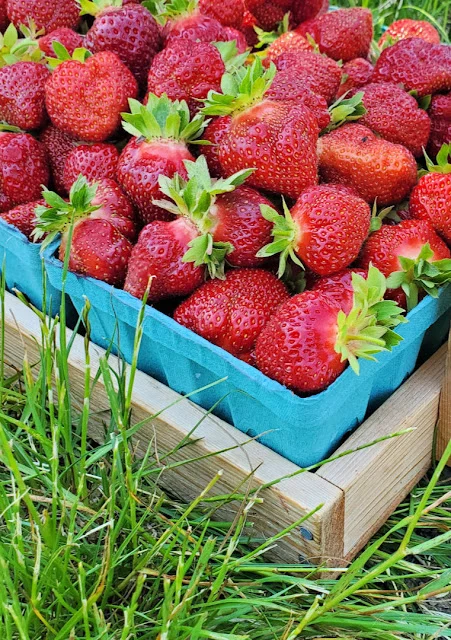
The integration of fresh produce into the diets of backyard poultry has emerged as a significant focal point for small-scale farmers and hobbyists seeking to optimize flock health and egg quality. Among the various supplemental treats available, strawberries (Fragaria × ananassa) have been identified as a highly beneficial addition to a chicken’s diet. These berries serve not only as a source of hydration and environmental enrichment but also as a powerhouse of essential vitamins, minerals, and bioactive compounds. While the primary diet of a chicken must remain centered on high-quality, nutritionally balanced commercial feed, the strategic inclusion of strawberries offers a range of physiological advantages, from enhanced immune function to improved digestive health.
The Nutritional Profile of Strawberries in Avian Diets
Strawberries are characterized by a dense concentration of micronutrients that are vital for the metabolic processes of Gallus gallus domesticus. Scientific analysis reveals that these fruits are particularly rich in Vitamin C (ascorbic acid), Vitamin K, and Vitamin B6. While chickens are capable of synthesizing their own Vitamin C, supplemental intake is particularly beneficial during periods of environmental stress, such as extreme heat or molting. Vitamin C acts as a potent antioxidant, neutralizing free radicals and supporting the avian immune system against common pathogens.

Furthermore, the presence of Vitamin K is essential for effective blood coagulation and bone mineralization. For laying hens, maintaining robust bone density is a critical concern, as the physiological demand for calcium during eggshell production can deplete skeletal reserves. The manganese and potassium found in strawberries further support these processes, contributing to metabolic efficiency and electrolyte balance.
Beyond vitamins, strawberries are an excellent source of dietary fiber. Fiber is crucial for maintaining gut motility and supporting a healthy microbiome within the chicken’s digestive tract. The inclusion of antioxidants, specifically anthocyanins—which give strawberries their vibrant red color—has been linked to reduced systemic inflammation and improved cardiovascular health in various avian species.
Anatomical Utility: Leaves, Stems, and Caps
One of the unique aspects of the strawberry plant in the context of poultry nutrition is the utility of the entire organism. Unlike certain fruits where the foliage or seeds may contain toxic compounds (such as the pits of stone fruits or the leaves of tomato plants), every part of the strawberry—the fruit, the calyx (cap), the stem, and the leaves—is safe for consumption.

Agricultural experts highlight that the "strawberry tops," which are frequently discarded in human food preparation, are particularly valuable for chickens. These green components contain tannins and iron. Tannins, in controlled amounts, act as a mild digestive aid and possess antimicrobial properties that can help regulate the internal parasite load in a flock. The iron content supports the production of hemoglobin, ensuring efficient oxygen transport throughout the bird’s body. By utilizing the whole fruit, poultry keepers can practice sustainable "zero-waste" supplemental feeding while providing their birds with a diverse range of nutrients.
The 10% Rule: Managing Sugar and Dietary Balance
Despite the clear benefits, the administration of strawberries must be governed by the principles of nutritional moderation. Poultry nutritionists generally adhere to the "10% Rule," which dictates that treats and supplements should never exceed 10% of a chicken’s total daily caloric intake. For the average adult hen, this equates to approximately one to two tablespoons of supplemental food per day.
The primary reason for this limitation is the high fructose (fruit sugar) content found in strawberries. While chickens enjoy the sweetness, an excess of sugar can lead to several health complications:

- Digestive Upset: High sugar intake can disrupt the delicate balance of the avian crop and gut, leading to diarrhea or abnormal droppings.
- Obesity: Excessive treats can lead to weight gain, which in turn reduces egg production and increases the risk of "fatty liver hemorrhagic syndrome," a common cause of mortality in backyard flocks.
- Nutritional Dilution: If a chicken fills its crop with berries, it may consume less of its formulated layer feed. Since commercial feed is precisely balanced for protein, calcium, and amino acids, over-supplementing with fruit can lead to nutritional deficiencies over time.
Chronology of Supplemental Feeding Practices
The practice of feeding fruit to poultry has evolved significantly over the last century. In the early 20th century, farm chickens were largely "free-range" by necessity, scavenging for fallen fruit, insects, and seeds. This provided a naturally diverse diet, though it often lacked the consistency required for high-volume egg production.
With the advent of industrial poultry farming in the mid-20th century, the focus shifted toward standardized, high-protein grain mashes and pellets. This increased efficiency but removed the dietary variety that contributes to bird welfare. In the last two decades, the resurgence of backyard homesteading has brought about a "naturalist" approach to poultry management. Modern keepers now combine the safety and reliability of commercial feeds with the targeted use of fresh produce like strawberries to mimic the ancestral foraging habits of chickens, leading to more resilient and active flocks.
Risk Mitigation: Pesticides and Pathogens
A critical consideration for any poultry keeper is the source of the strawberries. Strawberries consistently rank high on the Environmental Working Group’s "Dirty Dozen" list, which tracks produce with the highest levels of pesticide residue. Chickens, due to their smaller body mass and high metabolic rate, are particularly sensitive to chemical toxins.

To mitigate these risks, it is recommended that keepers:
- Thoroughly Wash Berries: Even if the fruit appears clean, rinsing in a vinegar-water solution can help remove surface chemicals and bacteria.
- Source Organically: Buying organic berries or sourcing from local farms that utilize Integrated Pest Management (IPM) instead of synthetic sprays is preferred.
- Home Cultivation: Growing strawberries within the vicinity of the coop (though protected by fencing to prevent over-grazing) allows for total control over the growing environment.
Additionally, keepers must ensure that the berries are fresh. Moldy or rotting fruit can contain mycotoxins, such as aflatoxin, which are lethal to poultry. Any fruit that is unfit for human consumption due to mold should be composted rather than fed to the flock.
Implications for Egg Quality and Flock Welfare
The impact of feeding strawberries extends beyond basic nutrition; it also influences the quality of the final product: the egg. The pigments found in strawberries and other berries can subtly influence the color of the egg yolk. While not as dramatic as the effect of marigold petals or kale, the carotenoids and antioxidants in berries contribute to a deeper, richer yolk color, which is often perceived by consumers as a marker of higher nutritional value.

From a welfare perspective, strawberries serve as an excellent "boredom buster." Chickens are highly intelligent and inquisitive animals. Providing them with whole berries or frozen strawberry "popsicles" during the summer months encourages natural pecking behaviors and provides mental stimulation. This can be particularly effective in reducing stress-induced behaviors such as feather picking or egg eating within the coop.
Expert Analysis and Conclusion
Veterinary experts and avian specialists agree that the modern backyard chicken benefits immensely from a diet that prioritizes variety within a structured framework. The inclusion of strawberries is a testament to the shift toward holistic poultry husbandry. By understanding the biochemical benefits of Vitamin C and K, the digestive advantages of tannins in strawberry leaves, and the strict necessity of the 10% rule, keepers can significantly enhance the longevity and productivity of their birds.
In summary, strawberries are a safe, nutritious, and highly palatable treat for chickens. When fed in moderation and sourced responsibly, they support immune health, aid digestion, and provide essential environmental enrichment. As the trend toward sustainable and natural poultry keeping continues to grow, the strawberry remains a gold standard for supplemental avian nutrition, bridging the gap between traditional scavenging and modern dietary science. Through informed feeding practices, poultry enthusiasts can ensure their flocks remain healthy, happy, and productive members of the backyard ecosystem.
