
Every spring, a widely embraced tradition playfully suggests that rabbits, not birds, are the architects of colorful, hidden eggs, a charming notion for children seeking holiday treats. However, the natural world offers a far more profound and ancient artistry in the realm of egg production, a domain where birds have been the undisputed masters for millennia. While the Easter Bunny captures the imagination with its mythical egg-laying prowess, ornithologists and biologists have long marveled at the diverse beauty and functional sophistication of avian eggs, a testament to millions of years of evolutionary refinement. This exploration delves into the science behind bird eggs, their varied colors and shapes, and the fascinating origins of the bunny-centric folklore that has become so intertwined with springtime celebrations.
The Astonishing Diversity of Avian Egg Colors
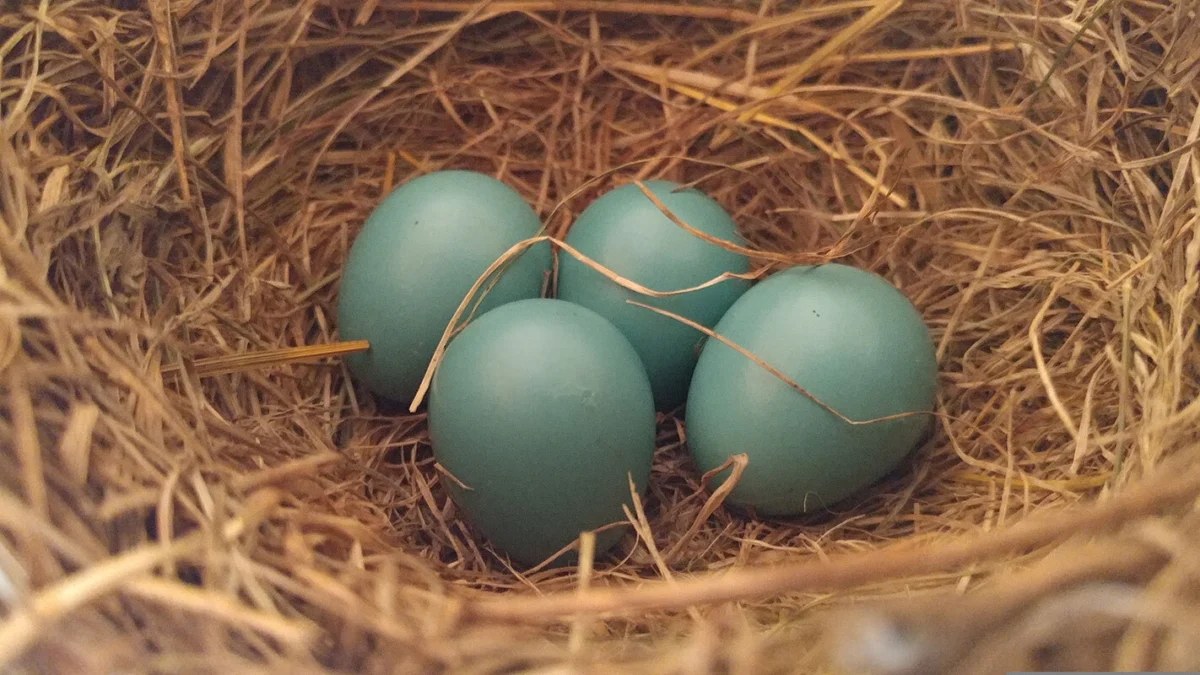
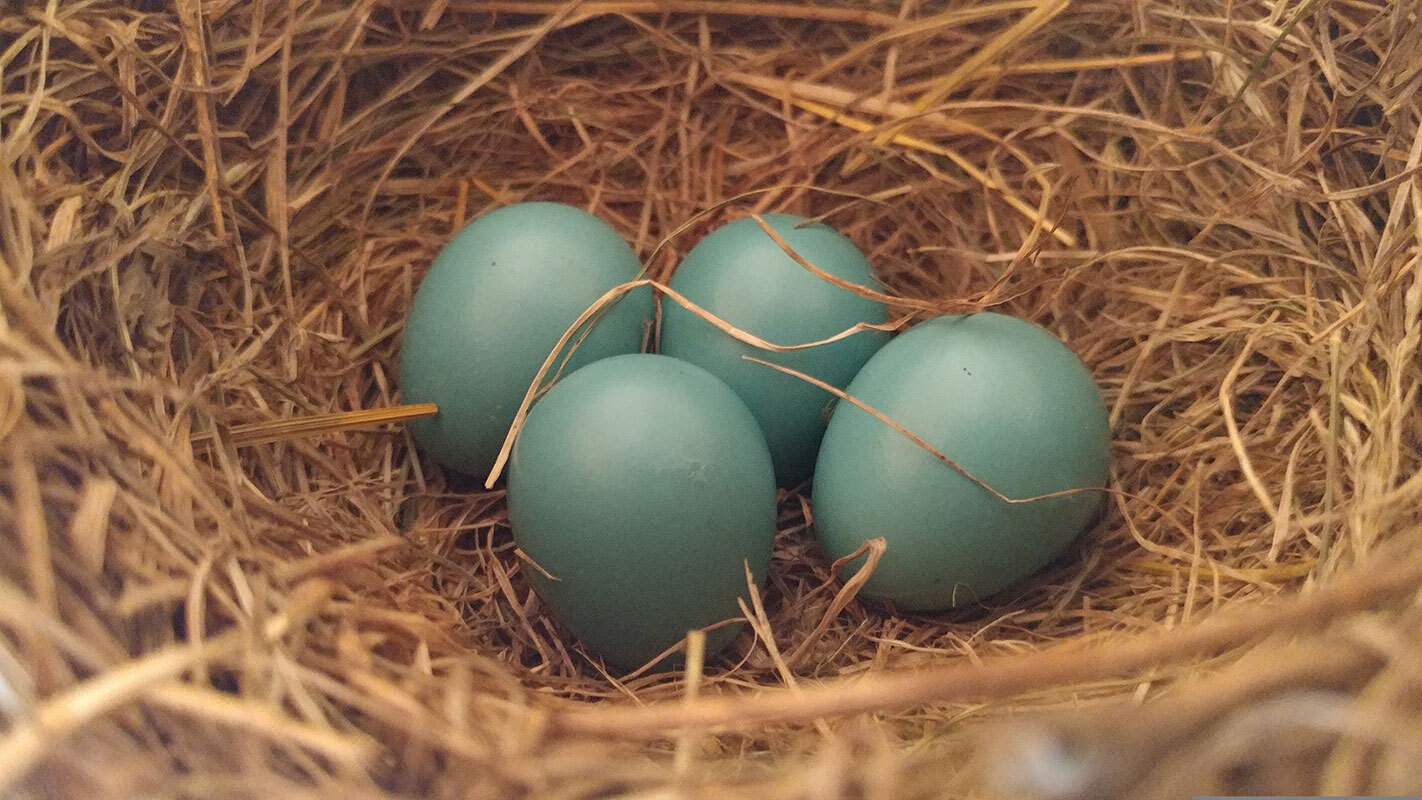
Contrary to the simplistic palette often associated with holiday eggs, the spectrum of bird egg colors is remarkably broad and scientifically significant. While the common robin’s egg blue is perhaps the most recognized, it is just one hue in a vast natural palette. Birdfly.com meticulously documents 26 distinct bird species that produce blue eggs, a phenomenon that often surprises observers given that only a few of these species are themselves blue. This suggests that egg color is driven by biological imperatives rather than mimicry.
The “Beauty and Biology of Egg Color” blog, hosted on Cornell Lab’s All About Birds platform, further illuminates this diversity, showcasing eggs that range from the deepest indigos and vibrant blues to those adorned with speckles and splotches resembling drizzles of chocolate or intricate patterns. This visual splendor is not merely aesthetic; it serves crucial evolutionary functions. For instance, dark or patterned eggs can provide effective camouflage, helping to conceal nests from predators in various environments, from dense foliage to rocky outcrops. The coloration can also serve as an indicator of the female bird’s health and nutritional status at the time of egg formation.
In stark contrast to the vibrant displays of many wild birds, the eggs of parrots are almost universally a matte white. This coloration is thought to be an adaptation to nesting in enclosed cavities, such as tree hollows or burrows, where camouflage is less critical and the primary concern is nest hygiene and detection by predators that might forage within such confined spaces. The white color allows for better visibility of the eggs in dim light, facilitating parental care and the detection of any contaminants.
Functional Masterpieces: Beyond Mere Aesthetics
The significance of bird eggs extends far beyond their visual appeal. They are, in essence, self-contained survival packages, meticulously designed to nurture developing embryos. Their colors, as mentioned, play vital roles in camouflage and signaling. However, the functional brilliance of bird eggs also lies in their shape, size, and shell composition.
Research published in Harvard Magazine has shed light on the intriguing correlation between bird egg shapes and avian flight capabilities. A study suggests that strong, agile flyers tend to lay more elliptical eggs, which are thought to roll in a more controlled manner, preventing them from falling out of precarious nests. Conversely, weaker fliers often produce rounder eggs. Furthermore, biophysical models indicate that the interplay between the eggshell membrane and internal pressure can generate the full spectrum of natural egg shapes observed in the avian world. This intricate understanding highlights that egg morphology is not arbitrary but is deeply intertwined with the bird’s lifestyle and ecological niche.
Adding another layer to the functional complexity, research highlighted in Science News reveals that birds inhabiting colder climates often lay eggs with darker pigmentation. This evolutionary strategy is hypothesized to enhance thermal absorption from sunlight, helping to maintain a warmer internal temperature within the nest. In frigid environments, even a slight increase in temperature can be critical for embryo survival, demonstrating a remarkable adaptation to environmental challenges. This finding underscores how egg characteristics are finely tuned to the specific climatic conditions in which a species resides.
The Genesis of the Egg-Laying Rabbit Myth
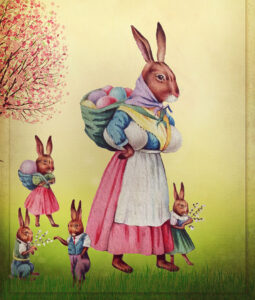
While birds are the true paragons of egg production, the popular image of a rabbit delivering colorful eggs is a deeply ingrained cultural phenomenon. Its origins are not rooted in biology but in folklore and historical traditions, particularly those originating from Germany. The myth of the Easter Bunny can be traced back to the 17th century and is believed to have emerged from German Lutheran traditions.
The figure of the "Osterhase," or Easter Hare, was a folkloric character who would judge children’s behavior and, for the well-behaved, deliver a basket of colored eggs. This tradition likely drew upon older pagan springtime festivals that celebrated fertility and rebirth, concepts intrinsically linked to rabbits due to their prodigious reproductive rates. The hare, a symbol of fertility and the arrival of spring, became an apt messenger for these themes. Over time, as German immigrants brought their customs to other parts of the world, particularly North America, the Osterhase evolved into the familiar Easter Bunny, a beloved icon of the holiday.
The association with eggs, though biologically inaccurate for rabbits, likely stems from the broader symbolism of spring as a time of new beginnings and the emergence of life. Eggs, as a universal symbol of potential and rebirth, became intertwined with the fertility motifs of the season, and the hare, already a prominent spring symbol, was thus imbued with the role of their purveyor.
Shared Nests, Divergent Practices: Rabbits and Birds
Despite their vastly different reproductive methods, rabbits and birds share one notable characteristic: the construction of nests. However, the nature and purpose of these nests diverge significantly. While birds meticulously craft their nests in trees, on cliffs, or on the ground, often using twigs, moss, and other materials, rabbit nests are far simpler, serving a different set of biological needs.
A rabbit nest, known as a "form," is typically a shallow depression dug into the ground. The mother rabbit lines this hollow with soft fur she plucks from her own body, creating a warm and insulated environment for her young, called kits. She then conceals the nest with dried grass or leaves to further protect it from predators. The primary concern for a mother rabbit is to minimize her scent and presence around the nest, as her scent could attract predators. Consequently, she does not incubate her kits by sitting on them. Instead, she visits the nest only once or twice a day, usually at dawn and dusk, for brief feeding sessions. This strategy of infrequent visits and concealment is crucial for the survival of her vulnerable offspring.
In contrast, birds actively incubate their eggs by sitting on them, regulating their temperature through body heat. The incubation period varies widely among species, from as short as 10 days for some songbirds to over 80 days for the Emperor Penguin. The materials and complexity of bird nests also vary immensely, reflecting adaptations to different environments and nesting strategies, from the elaborate woven structures of weaver birds to the simple scrapes of ground-nesting species.
Implications and Broader Context
The enduring popularity of the Easter Bunny myth highlights the powerful role of cultural narratives in shaping our perceptions of the natural world. While scientifically inaccurate, the story serves a valuable purpose in transmitting cultural traditions and fostering a sense of wonder and excitement, particularly among children. It underscores how folklore can intertwine with seasonal celebrations, creating cherished rituals that span generations.
From a biological perspective, the study of bird eggs offers profound insights into evolutionary processes, adaptation, and the intricate relationship between species and their environments. The diversity in egg color, shape, and composition is not arbitrary but a product of millions of years of natural selection, each characteristic finely tuned to optimize survival and reproductive success. Understanding these biological marvels enriches our appreciation for the natural world and the remarkable ingenuity of life.
The contrast between the mythical egg-laying rabbit and the biological realities of avian reproduction serves as a gentle reminder to distinguish between cultural storytelling and scientific fact. Both have their unique value, with folklore providing a rich tapestry of human imagination and biology offering a window into the astonishing complexity and beauty of the natural world. As we continue to celebrate traditions like Easter, it is also an opportune moment to reflect on the true wonders of nature, such as the vibrant, functional, and endlessly fascinating eggs laid by birds across the globe. The scientific understanding of these natural phenomena continues to expand, revealing deeper layers of evolutionary adaptation and ecological significance.
