
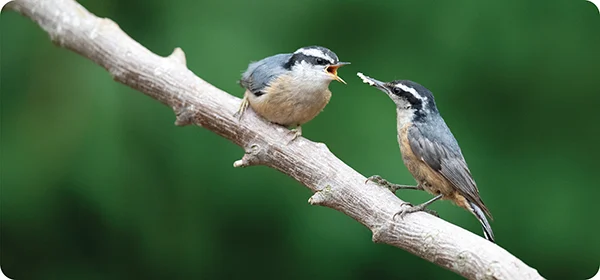
The captivating spectacle of young birds taking their first flights and exploring their surroundings is a source of profound joy for many, offering a vibrant testament to nature’s enduring cycles. This burgeoning generation of avian life, appearing in backyards and at feeders, signifies not just the continuation of species, but also the vital role that human intervention can play in their survival and prosperity. From the hesitant hops of fledgling bluebirds to the boisterous demands of chickadees and goldfinches, the antics of young birds provide a constant source of entertainment and a gentle reminder of our connection to the natural world. Woodpecker fledglings, with their often clumsy attempts to navigate feeders or their patient waits for parental offerings of suet and specialized foods like Bark Butter®, further enrich this scene, illustrating the universal drive of young creatures to learn and thrive.
The Scientific Link Between Feeders and Nesting Success
Beyond the emotional rewards, there is a demonstrable scientific basis for the positive impact of consistent food availability on nesting birds. Extensive research studies have illuminated a significant correlation between reliable access to bird feeders and earlier egg-laying. This timing is crucial. Broods hatched earlier in the season often face less competition for resources and typically experience higher rates of survival and fledging success compared to those born later. The extended daylight hours and generally favorable weather conditions of early spring provide an optimal window for raising young, a window that feeders help birds to seize.
Furthermore, the presence of readily available food allows breeding female birds to allocate their energy more efficiently. Instead of expending precious time and calories foraging, they can dedicate more effort to selecting ideal nesting sites and constructing sturdier, more protective nests. This improved nest quality can offer better insulation against fluctuating temperatures and enhanced protection from predators. Crucially, this also frees up parental time for active nest defense, safeguarding eggs and vulnerable young from a myriad of threats, from opportunistic mammals to larger predatory birds.
The benefits extend to the nutritional intake of the nestlings themselves. When parent birds have access to abundant feeder food, they are not solely reliant on their immediate environment for sustenance. This allows them the freedom to seek out a broader spectrum of natural food resources, ensuring their young receive a more varied and nutritionally complete diet. Studies have indicated that this enhanced nutrition can significantly reduce aggression among nest siblings, fostering a more harmonious environment within the nest and promoting more robust growth rates. This increased dietary diversity is particularly important for species with complex dietary needs or those whose natural food sources may be subject to seasonal fluctuations or environmental pressures.
Beyond Food: The Importance of Shelter and Habitat
While food is a cornerstone of successful nesting, it is not the sole determinant. The provision of appropriate nesting structures, such as properly designed and installed nesting boxes, can dramatically improve nesting success rates, especially during challenging weather conditions. Extreme periods of cold and damp can be particularly perilous for young birds, and a well-constructed nesting box offers essential shelter, regulating temperature and providing a safe haven. The choice of nesting box should consider the specific needs of local bird species, including entrance hole size, internal dimensions, and ventilation.

Equally vital is the quality of the yard’s natural habitat. A seemingly "messy" yard, often perceived as unkempt by human standards, can be a haven for birds. Immensely manicured lawns and sterile landscapes often lack the intricate resources that birds require for nest building. Natural materials like twigs, grasses, moss, and even animal fur are essential components of many nests. A yard that embraces a degree of natural disorder, with leaf litter, fallen branches, and a variety of plant life, provides these crucial materials.
The strategic planting of native trees, shrubs, and wildflowers plays a multifaceted role. These plants offer not only ideal nesting spaces, providing branches, cavities, and dense foliage for concealment, but also serve as vital food sources. Native flora is intrinsically linked to the life cycles of local insect populations, which form a significant portion of the diet for many bird species, especially during the breeding season. These plants also offer berries, seeds, and nectar, further diversifying the food available for both adult birds and their developing young. Establishing a landscape that mimics natural ecosystems can therefore significantly enhance a yard’s capacity to support avian populations.
Specialized Resources for Nesting Families
Recognizing the specific nutritional demands of nesting birds, specialized bird food formulations have been developed to meet these needs. Products like Wild Birds Unlimited’s Nesting SuperBlend® are meticulously crafted to provide the essential protein and calcium required by nesting families. This blend often incorporates ingredients such as sunflower chips, peanuts, mealworms, Bark Butter Bits, Nutrasaff, tree nuts, and calcium.
- Protein: Crucial for the growth and development of young birds, protein is a primary component of their rapidly developing bodies. Mealworms and nuts are excellent sources of this vital nutrient.
- Calcium: Essential for the formation of strong eggshells by females and for the skeletal development of chicks. Calcium-fortified foods are particularly beneficial during the nesting season.
- Energy-Rich Ingredients: Sunflower chips and tree nuts provide the high energy content necessary for the demanding activities of breeding and chick-rearing.
This comprehensive approach to feeding ensures that parent birds can efficiently gather the necessary nutrients to sustain themselves and their offspring, from the initial stages of nest building and egg incubation through to the demanding period of fledging and post-fledging care.
The Broader Implications and Future Outlook
The "joy of nesting birds" is more than an ephemeral emotional experience; it is a tangible outcome of informed conservation practices at the individual and community levels. By understanding the biological needs of birds and providing appropriate resources, individuals can actively contribute to the health and resilience of local avian populations. The success of initiatives like those promoted by Wild Birds Unlimited underscores the growing public awareness and desire to engage in meaningful conservation efforts.
The implications of widespread backyard bird feeding and habitat enhancement are far-reaching. Increased nesting success rates can lead to more robust bird populations, contributing to greater biodiversity within urban and suburban environments. This, in turn, can enhance the ecological services provided by birds, such as insect control and seed dispersal. Furthermore, the act of observing and supporting nesting birds fosters a deeper connection with nature, promoting environmental stewardship and a greater appreciation for the intricate web of life.

The ongoing research into bird behavior and the effectiveness of various conservation strategies continues to refine our understanding of how best to support these wild neighbors. As climate change presents new challenges, understanding the resilience of bird populations and identifying critical habitats becomes increasingly important. The simple act of providing food and shelter in our backyards, when informed by scientific understanding, becomes a powerful tool in this larger conservation effort.
A Continued Dialogue: The Nature Centered Podcast
To further engage with the public on these important topics, organizations like Wild Birds Unlimited leverage platforms such as their Nature Centered Podcast. Episodes like "Joy of Summer Birds" serve as valuable educational resources, offering practical advice and insights into supporting birds throughout the year, particularly during the critical summer nesting season. These podcasts allow for a deeper dive into the scientific research, expert recommendations, and anecdotal observations that inform effective backyard bird conservation. They provide a space for continued learning and community building around the shared appreciation for nature.
The narrative of nesting birds, from their delicate eggs to their first tentative flights, is a powerful reminder of nature’s enduring beauty and resilience. By understanding and acting upon the principles of providing food, shelter, and a welcoming habitat, we can all contribute to this joyful cycle, ensuring that the sights and sounds of young birds continue to enrich our lives and our planet for generations to come. The success of these small, feathered families is a testament to the profound impact that even the smallest actions, when guided by knowledge and compassion, can have on the natural world.
