
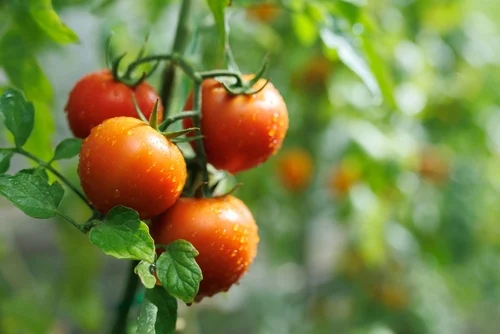
The intersection of garden produce and poultry husbandry often leads to questions regarding the safety of kitchen scraps and harvest surplus, with the common tomato (Solanum lycopersicum) serving as a primary point of debate among avian nutritionists and backyard enthusiasts alike. While tomatoes are a ubiquitous staple in human diets and a frequent treat for domestic flocks, they belong to the Solanaceae family, more commonly known as the nightshade family. This botanical classification is significant because nightshades produce specific alkaloids—primarily solanine and tomatine—that serve as natural defense mechanisms against pests and pathogens but can pose physiological risks to livestock when consumed inappropriately. Understanding the delicate balance between the nutritional benefits of the ripe fruit and the toxic potential of the plant’s vegetative components is essential for maintaining a healthy and productive flock.
The Botanical Profile of the Nightshade Family
To understand the risks associated with feeding tomatoes to chickens, one must first examine the chemical composition of the Solanaceae family. This family includes not only tomatoes but also potatoes, peppers, eggplants, and tobacco. These plants produce glycoalkaloids, which are nitrogen-containing compounds that can be toxic in high concentrations. In tomatoes, the two primary compounds of concern are solanine and tomatine.
Solanine is a bitter glycoalkaloid that acts as a neurotoxin. In the plant, it is concentrated most heavily in the green portions, including the leaves, stems, and vines. It is also found in high concentrations in green, unripe fruit. Tomatine, while similar in structure, is specifically found in tomato plants. As a tomato ripens, the concentration of these alkaloids drops significantly, transforming the fruit from a potentially hazardous item into a nutrient-dense food source. For poultry, which have much smaller body masses than humans or larger livestock, even moderate amounts of these toxins can lead to rapid physiological distress.

Identifying the Risks: Leaves, Stems, and Unripe Fruit
The primary danger to chickens does not lie in the red, juicy flesh of a ripe tomato, but rather in the plant’s structural components. Agricultural experts and avian veterinarians consistently warn against allowing chickens access to tomato vines. The stems and leaves contain the highest concentrations of solanine. When chickens forage in a garden, they may instinctively avoid these bitter-tasting parts, but curious or hungry birds—especially younger ones—may ingest them, leading to accidental poisoning.
Unripe, green tomatoes are equally problematic. Until the fruit reaches its full maturity and changes color, it retains a high level of tomatine. For the backyard farmer, this means that "windfalls" or tomatoes knocked off the vine during a storm should be inspected before being tossed into the coop. If the fruit is firm and green, it should be discarded or composted away from the birds rather than used as feed. This cautionary approach extends to other nightshades as well; for instance, the green skins of potatoes and the foliage of pepper plants carry similar risks and should be strictly excluded from the poultry diet.
Clinical Symptoms of Alkaloid Poisoning in Poultry
Recognizing the signs of solanine or tomatine poisoning is critical for timely intervention. Because these toxins affect both the nervous system and the gastrointestinal tract, the symptoms are often multi-faceted.
Symptoms of solanine poisoning in chickens typically manifest as:

- Neurological Distress: A noticeably slowed pulse and labored breathing.
- Gastrointestinal Issues: Severe diarrhea, which can lead to rapid dehydration in small birds.
- Physical Lethargy: A drop in body temperature and a general state of depression or lack of movement.
- Abdominal Pain: Birds may appear hunched or exhibit "pasty butt" in younger chicks due to digestive failure.
- Vomiting: While less common in birds than mammals, some may attempt to expel the contents of their crop.
Tomatine poisoning, while often considered slightly less lethal than solanine, still causes significant morbidity. The primary symptoms include nausea, abdominal cramps, and diarrhea. In a flock setting, these symptoms can lead to a sudden drop in egg production and a general decline in the health of the birds, making them more susceptible to secondary infections or environmental stressors.
Nutritional Benefits of Ripe Tomatoes
Despite the risks associated with the green parts of the plant, ripe tomatoes are recognized as a powerhouse of nutrition when fed correctly. When the fruit reaches its peak ripeness, the toxin levels dissipate to negligible amounts, leaving behind a wealth of vitamins and minerals.
Tomatoes are rich in antioxidants, particularly lycopene, which has been studied for its ability to improve the immune response in poultry. They are also an excellent source of:
- Vitamin A: Essential for vision health and the maintenance of epithelial tissues (the lining of the respiratory and digestive tracts).
- Vitamin C: Acts as a stress-reducer and supports the immune system, especially during heat waves.
- Vitamin K: Vital for bone health and proper blood clotting.
- Potassium: Helps maintain fluid balance and nerve function.
- Carotenoids: These pigments can contribute to a deeper, more vibrant orange color in egg yolks, which is often a goal for artisanal egg producers.
Furthermore, the high water content of ripe tomatoes makes them an excellent hydrating snack during the summer months. When chickens are under heat stress, a cool, ripe tomato can provide both moisture and electrolytes.

Feeding Guidelines: The 10% Rule and Moderation
The key to safely incorporating tomatoes into a poultry diet is moderation. Professional poultry nutritionists generally recommend that "treats"—any food item that is not a balanced commercial layer or grower feed—should not exceed 10% of a chicken’s total daily caloric intake.
For an average adult hen, this equates to approximately one to two tablespoons of supplemental food per day. Feeding tomatoes in excess, even if they are perfectly ripe, can displace the essential proteins, minerals, and amino acids found in formulated feed. Over-reliance on treats can lead to obesity, reduced egg-laying, and skeletal issues.
Specific guidelines for feeding include:
- Selection: Only offer tomatoes that are soft, fully colored (red, yellow, or orange depending on the variety), and free from mold.
- Preparation: Remove all green "caps," stems, and vines before offering the fruit to the birds.
- Age Restrictions: It is strongly advised to avoid feeding any tomatoes to baby chicks. Their developing digestive systems and small body mass make them hypersensitive to even trace amounts of toxins.
- Health Status: Only healthy, adult birds should be given tomatoes. Birds that are already compromised by illness or age are less capable of processing the alkaloids.
Chronology of Plant Maturity and Toxin Degradation
The safety of the tomato is directly tied to its lifecycle. A timeline of the tomato’s development illustrates when the risk is highest:

- Seedling Stage: High toxicity; leaves and stems are concentrated with solanine.
- Flowering/Early Fruiting: High toxicity; the small green fruits are densely packed with tomatine to prevent animals from eating them before the seeds are viable.
- Maturation Phase: As the fruit expands and begins to change color (the "breaker stage"), chemical signals within the plant trigger the breakdown of chlorophyll and the degradation of glycoalkaloids.
- Full Ripeness: Toxin levels reach their nadir. The fruit becomes sweet and attractive to animals, which helps in seed dispersal in the wild.
Farmers should align their feeding schedules with this natural chronology, ensuring that the birds only interact with the plant at the "Full Ripeness" stage and under controlled conditions.
Expert Analysis and Industry Perspectives
Veterinary toxicologists note that while sporadic ingestion of a few tomato leaves might not kill a healthy adult hen, the cumulative effect of a nightshade-heavy diet can be devastating. Industry experts often point to the "backyard garden" scenario as the most common cause of accidental poisoning. In these environments, chickens are often given free-rein to forage, leading them to the very plants they should avoid.
From a management perspective, the consensus among agricultural extensions is to fence off garden plots. This not only protects the harvest from the chickens but also protects the chickens from the hidden dangers of the Solanaceae family. If a farmer wishes to share the harvest, it should be done via "trough feeding" where the farmer controls the portion and the quality of the produce.
Broader Implications for Flock Management
The discussion regarding tomatoes and chickens reflects a larger trend in the poultry industry toward organic and supplemental feeding. As more consumers turn to backyard farming for food security and transparency, the need for detailed nutritional education increases.

The implications of improper feeding extend beyond individual bird health. A flock suffering from sub-clinical alkaloid poisoning will exhibit lower feed conversion ratios and decreased egg quality, impacting the economic viability of small-scale operations. Moreover, the stress of dealing with preventable toxins can weaken the flock’s overall resilience against more serious avian diseases.
In conclusion, while tomatoes can be a beneficial and highly anticipated treat for a backyard flock, they must be managed with a scientific understanding of their botanical properties. By strictly avoiding the green elements of the plant, ensuring fruit is fully ripe, and adhering to the 10% treat rule, poultry keepers can harness the nutritional power of the tomato without compromising the safety and longevity of their birds. Consistent monitoring and controlled feeding remains the gold standard for responsible avian husbandry.
