
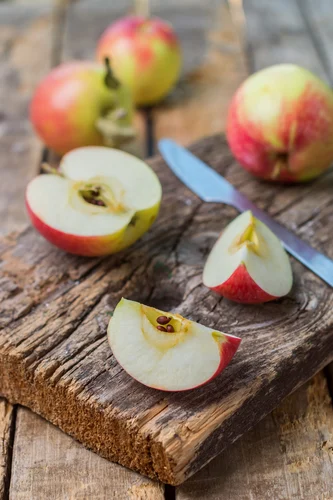
The practice of supplementing commercial poultry feed with fresh produce has become a cornerstone of modern backyard chicken keeping, yet it requires a nuanced understanding of avian biology and toxicology to ensure flock safety. While apples are widely recognized as a nutrient-dense snack for chickens, providing essential fiber and antioxidants that promote robust gut health, they also harbor a hidden danger within their cores. Specifically, apple seeds contain amygdalin, a cyanogenic glycoside that releases hydrogen cyanide when metabolized during digestion. This dual nature of the apple—as both a health-boosting treat and a potential source of poisoning—necessitates strict preparation protocols for poultry owners. To mitigate risk, experts emphasize that while the flesh and skin of the apple are beneficial, the seeds must be meticulously removed before the fruit is offered to the flock.
The Nutritional Profile of Apples in Avian Diets
Apples offer a variety of vitamins and minerals that can enhance the overall well-being of Gallus gallus domesticus. They are particularly rich in Vitamin C, which serves as an antioxidant and supports the immune system, especially during periods of heat stress. Additionally, apples contain potassium, which is vital for heart health and fluid balance, and various phytonutrients like quercetin and catechin, which have anti-inflammatory properties.
One of the most significant benefits of apples is their high fiber content, specifically pectin. Pectin is a soluble fiber that acts as a prebiotic, fostering the growth of beneficial bacteria in the chicken’s digestive tract. A healthy gut microbiome is essential for efficient nutrient absorption and serves as a primary defense against common poultry ailments such as coccidiosis and necrotic enteritis. When chickens consume the fibrous peels and crisp flesh of an apple, they are not only receiving immediate caloric energy but are also strengthening their long-term digestive resilience.

The Biochemical Risk of Cyanogenic Glycosides
The primary concern regarding apples involves the seeds, which contain a compound known as amygdalin. When a chicken consumes an apple seed, the mechanical action of the gizzard—the muscular organ used to grind food—breaks the seed’s protective outer shell. This process exposes the amygdalin to digestive enzymes (specifically beta-glucosidases), triggering a chemical reaction that releases hydrogen cyanide (HCN).
Cyanide is a potent toxin that interferes with cellular respiration. It binds to the iron atom in cytochrome c oxidase, an enzyme in the mitochondria, effectively preventing cells from using oxygen. This leads to a condition known as cytotoxic hypoxia, where the blood is oxygenated, but the tissues cannot utilize it. Because chickens have a high metabolic rate and relatively small body mass compared to humans, their sensitivity to such toxins is heightened.
While the amount of cyanide in a few apple seeds is rarely enough to kill a healthy adult hen, the cumulative effect can be devastating. For younger birds (pullets and chicks), senior hens with slower metabolisms, or birds already compromised by respiratory or parasitic issues, even low levels of cyanide can lead to acute distress.
Identifying Symptoms of Cyanide Poisoning in Poultry
The clinical signs of cyanide toxicity in chickens can manifest rapidly after ingestion. Poultry keepers should be vigilant for the following symptoms:

- Cyanosis of the Comb and Wattles: A distinctive blue or purple discoloration of the comb, indicating a lack of oxygen in the tissues.
- Respiratory Distress: Labored breathing, gasping, or an increased respiratory rate.
- Neurological Impairment: Loss of coordination, tremors, or an apparent state of confusion.
- Cardiovascular Irregularity: Rapid heart rate followed by sudden bradycardia (slowed heart rate) and cardiac arrest.
- Lethargy and Coma: A rapid decline in activity levels leading to unconsciousness.
In severe cases, the progression from ingestion to death can occur within minutes to hours. Due to the lack of a widely available avian antidote for cyanide in a backyard setting, prevention through proper food preparation remains the only reliable strategy.
Broader Toxicological Context: Stone Fruits and Pits
The risk associated with apple seeds is not an isolated phenomenon in the botanical world. Apples belong to the Rosaceae family, which also includes "stone fruits" such as peaches, plums, apricots, and cherries. The pits of these fruits contain the same cyanogenic compounds found in apple seeds.
In the case of stone fruits, the toxin is concentrated within the inner kernel of the pit. While a chicken’s gizzard is incredibly powerful, it is generally unable to crack the hard, woody exterior of a peach or plum pit. However, if a pit is already damaged or if a keeper attempts to crush the fruit without removing the center, the risk increases. To ensure absolute safety, the same "core and remove" rule applied to apples should be extended to all stone fruits. Removing the pit eliminates the hazard while allowing the birds to enjoy the vitamin-rich flesh of the fruit.
Strategic Feeding and Environmental Enrichment
Beyond the nutritional aspects, apples serve as an excellent tool for environmental enrichment. Boredom in a coop can lead to behavioral issues such as feather pecking or egg eating. Incorporating apples into the flock’s daily routine can stimulate natural foraging behaviors.

Common methods of serving apples include:
- Slicing and Dicing: Small pieces can be scattered to encourage scratching and searching.
- Halving: Cutting an apple in half and placing it skin-side down allows chickens to peck at the flesh easily.
- The "Tetherball" Method: Some keepers core an apple and hang it from a string at head height. This forces the chickens to jump and move to get a bite, providing physical exercise and mental stimulation.
Regardless of the method, the core must be removed. Using a dedicated apple coring tool is the most efficient way to ensure no seeds are inadvertently left behind.
The 10% Rule: Maintaining Dietary Balance
While treats like apples are beneficial, they must not displace the nutritionally complete feed that serves as the foundation of a chicken’s diet. Avian nutritionists generally recommend that "treats"—including fruits, vegetables, and scratch grains—should not exceed 10% of a bird’s total daily intake. For the average laying hen, this equates to approximately one to two tablespoons of supplemental food per day.
Over-reliance on treats can lead to several health complications:

- Nutrient Dilution: If a hen fills up on apples, she may consume less layer crumble, leading to deficiencies in protein, calcium, and essential amino acids.
- Reduced Egg Production: Proper egg formation requires a precise balance of nutrients. An imbalance can lead to soft-shelled eggs or a total cessation of laying.
- Obesity and Fatty Liver Hemorrhagic Syndrome (FLHS): While apples are relatively low in fat, excessive sugar and calorie intake from various treats can lead to internal fat deposits, particularly around the liver, which can be fatal in poultry.
Historical Context and Evolution of Poultry Feeding
The modern approach to feeding chickens has shifted significantly over the last century. Historically, farm chickens were scavengers, subsisting on kitchen scraps, fallen orchard fruit, and whatever insects they could forage. While this "natural" diet was varied, it often lacked the consistency required for high egg production or long-term health.
The mid-20th century saw the rise of scientifically formulated commercial feeds, which prioritized efficiency and growth. However, the recent resurgence of backyard homesteading has brought a return to supplemental feeding. Today’s poultry keepers are more educated than their predecessors, seeking a "best of both worlds" approach that combines the safety of commercial pellets with the enrichment and health benefits of fresh produce. This evolution has made guides on fruit safety, such as the dangers of apple seeds, essential reading for the modern hobbyist.
Expert Analysis and Implications for Flock Management
Veterinary experts and experienced poultry authors, such as Lisa Steele of Fresh Eggs Daily, advocate for a proactive approach to flock health. The consensus among the avian community is that while the risk of a single apple seed is statistically low for a large, healthy bird, the lack of benefit provided by the seed makes the risk unnecessary to take.
The implications for management are clear: education is the primary defense against accidental poisoning. New poultry owners often assume that because a food is "natural," it is inherently safe. However, the presence of cyanide in common fruits serves as a reminder that the natural world contains various chemical defenses. By integrating scientific knowledge with daily care routines—such as coring apples and pitting stone fruits—keepers can significantly extend the lifespan and productivity of their flocks.

In conclusion, apples represent a valuable addition to a chicken’s diet when handled with appropriate care. By removing the seeds and limiting the quantity to a small fraction of the daily ration, poultry owners can provide their birds with a treat that supports gut health, reduces stress, and offers mental stimulation without the shadow of toxicological risk. As the backyard poultry movement continues to grow, such detailed nutritional guidelines will remain vital for the sustainable and ethical treatment of domestic birds.
