
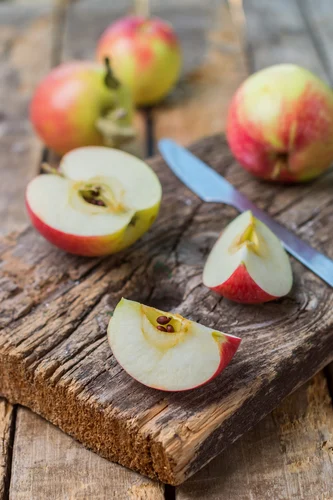
The practice of supplementing commercial poultry feed with fresh produce has seen a significant resurgence as backyard chicken keeping transitions from a niche rural activity to a mainstream urban and suburban hobby. Among the various fruits available to poultry keepers, the apple (Malus domestica) remains one of the most accessible and popular choices. While apples are widely recognized as a nutritional powerhouse for humans, their application in avian diets requires a nuanced understanding of both their beneficial properties and their inherent chemical risks. Professional poultry nutritionists and experienced keepers emphasize that while the flesh and skin of the apple offer substantial health benefits, the seeds harbor a naturally occurring toxin that can pose a lethal threat under specific conditions.
The Nutritional Profile of Apples in Avian Diets
Apples are categorized as a high-value supplemental treat for chickens, primarily due to their dense concentration of phytonutrients, fiber, and antioxidants. From a biological standpoint, the inclusion of apples in a flock’s diet can support various physiological functions. The primary benefit lies in the fruit’s high fiber content, which aids in the mechanical digestion process within the chicken’s gizzard and promotes a healthy microbiome in the digestive tract. A robust gut flora is essential for chickens, as it serves as the first line of defense against common avian pathogens such as Salmonella and E. coli.

Furthermore, apples are rich in Vitamin C and Vitamin A, alongside various flavonoids. These antioxidants play a critical role in reducing oxidative stress in birds, particularly during periods of environmental heat stress or during the annual molting process when nutritional demands are at their peak. Potassium, another key mineral found in apples, assists in maintaining electrolyte balance and heart health. When chickens consume the peels, they also ingest quercetin, a plant pigment that has been linked to anti-inflammatory effects and improved immune response in livestock.
The Biochemical Risk of Amygdalin and Hydrogen Cyanide
Despite the clear nutritional advantages, the safety of feeding apples to chickens is predicated on the exclusion of the seeds. Apple seeds contain a cyanogenic glycoside known as amygdalin. While the seed’s outer hull is relatively tough, once it is crushed—either by the chicken’s beak or within the powerful muscular walls of the gizzard—the amygdalin interacts with digestive enzymes to release hydrogen cyanide (HCN).
Hydrogen cyanide is a potent respiratory toxin that interferes with the body’s ability to utilize oxygen at a cellular level. Specifically, it inhibits the enzyme cytochrome c oxidase, effectively halting the electron transport chain in the mitochondria. In avian species, which have a high metabolic rate and specialized respiratory systems involving air sacs, the effects of cyanide can be rapid and devastating.

While a single apple seed is unlikely to contain enough cyanide to kill a healthy adult hen, the risk is cumulative and varies based on the bird’s size, age, and overall health. Younger chicks, whose systems are still developing, and older hens with compromised organ function are at a significantly higher risk of acute poisoning. The symptoms of cyanide exposure in poultry are distinct and require immediate attention:
- Cyanosis: A visible blue or purple tint to the comb and wattles, indicating a lack of oxygen in the bloodstream.
- Dyspnea: Labored breathing or gasping for air.
- Neurological Distress: Loss of coordination, tremors, or sudden lethargy.
- Cardiac Events: Rapid heart rate followed by arrhythmia and potential cardiac arrest.
Chronology of Poultry Nutrition and the Shift to Whole Foods
The understanding of toxicological risks in poultry has evolved over the last century. In the early 20th century, farm chickens were largely self-sufficient, foraging for insects, seeds, and fallen orchard fruit. During this era, the occasional ingestion of apple seeds was considered a negligible risk due to the vast variety of the birds’ diets and the sheer volume of other materials consumed.
However, the mid-20th century saw a shift toward industrialized, pelletized feed, which standardized poultry nutrition but distanced keepers from the complexities of raw food chemistry. In the last two decades, the "backyard revolution" has brought a return to supplemental feeding. This shift has necessitated a re-education of poultry keepers regarding the chemical compositions of common kitchen scraps. The modern consensus, supported by veterinary toxicology reports, identifies apple seeds, alongside the pits of stone fruits like peaches, plums, apricots, and cherries, as preventable sources of domestic flock mortality.

Comparative Risk in Stone Fruits and Pits
The danger identified in apple seeds extends to a broader category of fruits known as drupes, or stone fruits. Peaches, plums, apricots, and cherries all contain pits that house a kernel rich in amygdalin. While the physical structure of a peach or plum pit is often too large and hard for a chicken to break open, the potential for exposure remains if the pit is cracked or if the fruit is overripe and the pit has begun to degrade.
Journalistic inquiry into poultry management practices reveals that most professional breeders recommend a "zero-tolerance" policy for fruit pits. By halving these fruits and removing the central stone before delivery to the coop, keepers eliminate the risk of accidental ingestion. This proactive approach is particularly vital in multi-species environments where ducks or geese, which have larger bills and different foraging habits, may be present.
Best Practices for Preparation and Enrichment
To maximize the benefits of apples while ensuring flock safety, preparation is key. Poultry experts suggest several methods that serve both nutritional and behavioral purposes:

- Coring and Slicing: The most straightforward method involves removing the core entirely and slicing the flesh into manageable pieces. This ensures that no seeds are present and allows even the lowest-ranking birds in the pecking order to access the treat.
- The "Tetherball" Method: Hanging a cored, whole apple from a string in the coop provides mental stimulation. This form of environmental enrichment reduces boredom-related behaviors, such as feather picking or egg eating, by forcing the birds to work for their food.
- Dehydration: Dried apple slices (without seeds) can be a shelf-stable way to provide treats during the winter months when fresh produce may be less available.
Regardless of the preparation method, the "10% Rule" remains the gold standard of avian nutrition. Treats, including healthy options like apples, should never exceed 10% of a chicken’s daily caloric intake. The remaining 90% must come from a high-quality, balanced commercial feed to ensure the birds receive the necessary calcium, protein, and amino acids required for consistent egg production and skeletal health.
Expert Reactions and Industry Implications
Veterinary experts specializing in avian medicine often point to "dietary indiscretion" as a leading cause of preventable illness in backyard flocks. Dr. Emily Richards, a consultant in livestock health, notes that "the increase in ‘pet’ chicken ownership has led to a rise in toxicity cases. Owners often treat chickens like small dogs, but their metabolic processing of plant toxins is vastly different. Removing the core of an apple takes ten seconds but can prevent a flock-wide tragedy."
The broader agricultural implication of this knowledge affects how sustainable farming is taught. As more households look to chickens as a way to reduce food waste, the distinction between "compostable" and "edible" becomes paramount. While apple cores are excellent for a compost pile, they are not suitable for direct consumption by poultry. This distinction is vital for maintaining the biosecurity and health of domestic food systems.

Broader Impact on Egg Quality and Flock Longevity
The impact of a well-regulated diet on the final product—the egg—cannot be overstated. Chickens that receive a diverse array of safe, antioxidant-rich fruits like apples often produce eggs with more vibrant yolks and sturdier shells, provided their base nutrition is met. Furthermore, the longevity of the flock is directly tied to the avoidance of sub-lethal toxin exposure. Constant, low-level ingestion of cyanogenic glycosides can strain the liver and kidneys, reducing the bird’s productive lifespan and making them more susceptible to common diseases.
In conclusion, the apple is a dual-natured entity in the world of poultry husbandry. It stands as a symbol of the wholesome, natural diet that backyard keepers strive to provide, yet it carries a hidden chemical defense mechanism that demands respect. By adhering to the rigorous standard of coring fruit and monitoring treat portions, poultry enthusiasts can harness the nutritional power of the apple to foster a healthy, vibrant, and productive flock. As the backyard poultry movement continues to grow, the dissemination of such specific toxicological information remains a cornerstone of responsible and ethical animal stewardship.
