
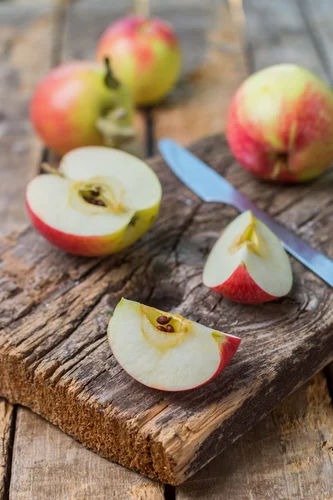
Backyard poultry management has seen a significant surge in popularity over the last decade, transitioning from a niche rural practice to a mainstream hobby in suburban and urban environments. As more households take on the responsibility of caring for Gallus gallus domesticus, the demand for accurate nutritional information has become paramount. Among the various supplemental treats provided to flocks, apples remain one of the most common and accessible options. While apples offer a wealth of vitamins, fiber, and antioxidants that can enhance the health of a bird, they also carry a hidden risk located within their core. Understanding the delicate balance between nutritional supplementation and toxicological risk is essential for any poultry keeper aiming to maintain a healthy, productive flock.
The Nutritional Profile of Apples in Avian Diets
Apples are widely regarded as a "superfood" for humans, and many of these benefits translate to the avian digestive system. The primary components of an apple—the flesh and the skin—are rich in dietary fiber, specifically pectin. Fiber is crucial for chickens as it aids in the regulation of the digestive tract and supports the growth of beneficial gut flora. A healthy microbiome in a chicken’s crop and gizzard is the first line of defense against common pathogens like Salmonella or E. coli.
Furthermore, apples are a potent source of antioxidants, including quercetin and various flavonoids. These compounds help neutralize free radicals in the bird’s body, potentially reducing inflammation and supporting the immune system during times of environmental stress, such as molting or extreme temperature fluctuations. From a vitamin perspective, apples provide modest amounts of Vitamin C and Vitamin A. While chickens can synthesize their own Vitamin C, supplemental intake during heat stress can be beneficial for maintaining eggshell quality and overall vigor.

Beyond the biochemical benefits, apples serve as a form of environmental enrichment. Poultry experts often recommend hanging whole, cored apples from the top of a run or coop. This "tetherball" method encourages natural foraging behaviors and provides mental stimulation, which is vital for preventing behavioral issues such as feather picking or aggressive pecking order disputes within the flock.
The Chemical Hazard: Amygdalin and the Release of Hydrogen Cyanide
Despite the clear advantages of the fruit’s flesh, the seeds of the apple (Malus domestica) contain a cyanogenic glycoside known as amygdalin. This compound is part of a natural defense mechanism the plant uses to protect its seeds from being consumed by pests. When apple seeds are swallowed whole, they often pass through the digestive tract of a human or a large animal intact, leaving the amygdalin trapped inside the protective seed coat. However, chickens possess a unique digestive organ known as the gizzard.
The gizzard is a powerful, muscular organ that uses grit (small stones or pebbles) to grind down food. When a chicken consumes an apple seed, the gizzard’s mechanical grinding action crushes the seed, breaking the protective hull and exposing the amygdalin to digestive enzymes. This process triggers a chemical reaction that releases hydrogen cyanide (HCN).
Cyanide is a potent toxin that interferes with cellular respiration. It binds to the iron atom in cytochrome c oxidase, an enzyme in the mitochondria of cells. By doing so, it prevents the cells from utilizing oxygen, effectively causing cellular asphyxiation even if there is plenty of oxygen in the bloodstream. While the amount of cyanide in a few apple seeds is rarely enough to kill a healthy adult hen, the cumulative effect or the exposure of smaller, younger birds (pullets) and elderly or immunocompromised birds can be catastrophic.

Recognizing the Symptoms of Cyanide Poisoning in Poultry
For a poultry keeper, recognizing the signs of toxicosis is critical for immediate intervention. Because cyanide prevents the body from using oxygen, the symptoms often mirror those of acute respiratory or cardiac distress. One of the most visible indicators in chickens is a change in the color of the comb and wattles. A healthy chicken typically has a bright red comb, indicating good circulation and oxygenation. In cases of cyanide poisoning, the comb may take on a blue or purple hue (cyanosis) as the blood becomes deoxygenated.
Other clinical signs include:
- Respiratory Distress: The bird may pant, gasp for air, or show labored breathing as it struggles to compensate for the lack of cellular oxygen.
- Neurological Impairment: This can manifest as a loss of coordination, tremors, or an inability to stand.
- Cardiovascular Collapse: Rapid heart rate followed by a sudden drop in blood pressure can lead to cardiac arrest.
- Acute Lethargy: Birds may appear "sleepy" or unresponsive, eventually slipping into a coma before death.
While there is no practical "at-home" antidote for cyanide poisoning in a backyard setting, immediate removal of the toxic source and providing supplemental oxygen (if veterinary care is available) are the standard protocols. Prevention, however, remains the only reliable strategy.
Comparative Risks: The Rosaceae Family and Stone Fruits
The risk of cyanide is not limited to apples. Many fruits popular in backyard gardens belong to the Rosaceae family and contain similar cyanogenic compounds in their seeds or pits. This group includes peaches, plums, apricots, and cherries.

In these "stone fruits," the amygdalin is concentrated within the hard kernel inside the pit. Realistically, a chicken is unlikely to crack open a large peach or plum pit on its own. However, if the pit is already cracked or if the fruit is overripe and decomposing, the toxic kernel may become accessible. Just as with apples, the flesh of these fruits is perfectly safe and highly nutritious for chickens. The standard recommendation among avian nutritionists is to pit these fruits entirely before offering them to the flock. This eliminates the risk of both poisoning and potential choking hazards associated with the large, hard seeds.
The 10% Rule: Balancing Supplemental Treats and Commercial Feed
While apples are a healthy supplement, they must be viewed within the context of a balanced avian diet. Most modern backyard chickens are fed a commercially formulated "layer feed" designed to provide the exact ratio of protein, calcium, and minerals required for consistent egg production.
A common mistake among hobbyists is over-supplementing with fruits and vegetables. Most experts, including those from various university agricultural extensions, suggest that "treats" (any food other than the primary balanced feed) should not exceed 10% of a chicken’s total daily caloric intake. For an average hen, this equates to roughly one to two tablespoons of supplemental food per day.
Over-feeding apples can lead to several issues:

- Protein Dilution: Apples are low in protein. If a chicken fills up on fruit, it may not consume enough layer feed to meet its protein requirements, leading to a drop in egg production or poor feather quality.
- Calcium Imbalance: High fruit intake can disrupt the calcium-to-phosphorus ratio, which is essential for the formation of strong eggshells.
- Obesity: The natural sugars (fructose) in apples can contribute to internal fat deposits, particularly "fatty liver hemorrhagic syndrome," a common cause of death in backyard hens.
Chronology of Dietary Awareness in Poultry Keeping
The understanding of poultry nutrition has evolved significantly over the last century. In the early 20th century, farm chickens were largely scavengers, eating kitchen scraps, fallen orchard fruit, and insects. While these birds were hardy, their egg production was seasonal and inconsistent.
By the 1950s and 60s, the development of pelletized commercial feeds revolutionized the industry, allowing for high-density egg production. However, this led to a decline in the knowledge of supplemental feeding among the general public.
The "backyard chicken revolution" of the 2010s brought the issue of supplemental toxicity back to the forefront. As chickens moved from the farm to the suburban backyard, they began to be treated more like pets. This shift resulted in an increase in the variety of "human foods" being fed to birds, leading to more reported cases of accidental poisonings and nutritional deficiencies. Today, the integration of traditional "old-timer" wisdom with modern veterinary science has created a more nuanced approach to feeding, where fruits like apples are valued for their benefits but respected for their risks.
Broader Implications for Sustainable Backyard Farming
The discussion regarding apples and cyanide is part of a larger movement toward informed, sustainable animal husbandry. As the global food supply chain faces challenges, the ability of individuals to produce their own eggs and meat becomes a pillar of local food security. However, this sustainability relies on the health and longevity of the animals involved.

By educating poultry keepers on the specific chemical properties of common foods, the community reduces the mortality rate of backyard flocks and promotes a more ethical standard of care. The practice of coring an apple before feeding it to a chicken may seem like a small, perhaps even overly cautious step, but it represents a commitment to the "One Health" concept—the idea that the health of humans, animals, and the environment are inextricably linked.
In conclusion, apples are an excellent addition to a chicken’s diet when prepared correctly. They provide essential fiber, antioxidants, and mental stimulation. By removing the seeds and limiting the portion size to maintain a balanced nutritional profile, poultry keepers can safely enjoy the benefits of this orchard staple while protecting their birds from the hidden dangers of cyanide. As with all aspects of animal care, a combination of scientific knowledge and practical vigilance is the key to a thriving backyard flock.
