
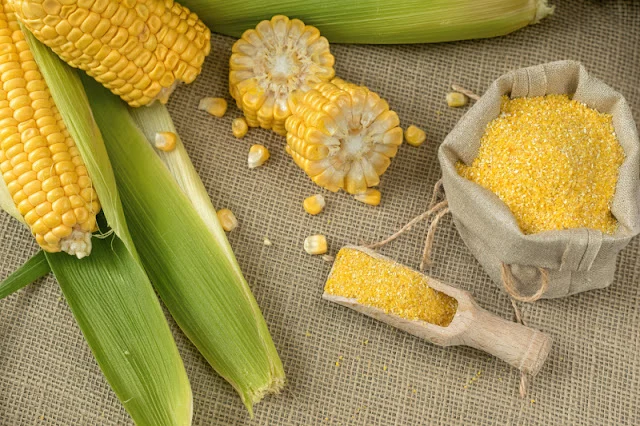
The dietary management of backyard poultry has increasingly become a subject of rigorous debate among agricultural experts and hobbyist farmers alike, with corn emerging as one of the most misunderstood components of a chicken’s diet. While corn is a staple in commercial poultry feed, its use as a supplemental treat or a seasonal dietary adjustment requires a nuanced understanding of avian physiology and metabolic heat production. Central to this discussion is the "summer corn myth"—the widely circulated belief that feeding corn during periods of high ambient temperature can lead to fatal overheating in chickens. To manage a flock effectively, poultry keepers must distinguish between the various forms of corn and understand how the avian digestive system processes these carbohydrates across different environmental conditions.
The Physiology of Avian Thermogenesis and Digestion
To understand the controversy surrounding corn, one must first examine the metabolic process of digestion in birds. Chickens are endothermic, meaning they generate their own body heat. A significant portion of this heat is produced through the "thermic effect of food," or the energy expended during the ingestion, digestion, and absorption of nutrients. Grains that are high in fiber and complex carbohydrates, such as whole or cracked dried corn, require extensive mechanical breakdown in the gizzard. This muscular organ grinds the hard kernels, a process that consumes significant energy and, consequently, generates internal body heat.

During the winter months, this metabolic heat is a vital survival mechanism. When a chicken consumes dried corn shortly before roosting, the slow digestion of the grain throughout the night acts as an internal furnace, helping the bird maintain its core body temperature of approximately 105°F to 107°F (40.5°C to 41.6°C) against the external cold. However, in the summer, this same metabolic heat can become a liability. When ambient temperatures exceed 85°F, chickens struggle to dissipate heat through panting and spreading their wings. Adding the internal heat of digestion from calorie-dense dried corn can exacerbate heat stress, leading to reduced egg production, lethargy, or in extreme cases, respiratory alkalosis and death.
Nutritional Composition and Dietary Value
Despite its reputation as "empty calories" in some circles, corn provides a specific array of essential nutrients that contribute to the overall health of poultry. When fed in moderation as part of a balanced diet, corn offers the following:
- Complex Carbohydrates: Corn is a primary source of starch, providing the sustained energy required for daily activities and egg production.
- Antioxidants: Yellow corn is rich in carotenoids, such as lutein and zeaxanthin. These antioxidants are not only beneficial for the chicken’s immune system but are also responsible for the deep orange pigment in egg yolks.
- Vitamins and Minerals: Corn contains Vitamin B6, Vitamin C, and folate, as well as essential minerals including magnesium, phosphorus, potassium, and niacin.
- Fiber: The insoluble fiber found in the outer hull of the kernel aids in digestive motility and gut health.
- Essential Fatty Acids: Corn provides linoleic acid, which is critical for the production of large, high-quality eggs.
However, corn is relatively low in protein (averaging 7% to 9%) compared to the 16% to 18% required for laying hens. Over-reliance on corn can lead to protein deficiencies, resulting in poor feather quality and a cessation of laying.

Seasonal Feeding Chronology and Best Practices
Expert recommendations for feeding corn vary significantly based on the time of year and the physical state of the grain. A chronological approach to corn supplementation ensures the health of the flock throughout the changing seasons.
Winter: The Utilization of Dried Grains
From late autumn through early spring, dried corn—either whole or cracked—serves as an effective supplemental energy source. During this period, "scratch grains," which typically consist of a mixture of cracked corn, wheat, and oats, are used to encourage natural foraging behavior. Agricultural data suggests that feeding a small amount of dried corn in the late afternoon or just before dusk allows the bird to process the grain overnight, maximizing thermogenic benefits when temperatures are at their lowest.
Summer: The Shift to Fresh and Hydrating Alternatives
As temperatures rise, the strategy shifts toward moisture-rich forms of corn. Fresh corn on the cob, frozen corn kernels, and canned corn (provided it is low in sodium) offer a different nutritional profile. Fresh corn has a higher water content than dried corn, which assists in hydration.

Furthermore, fresh corn husks and silks, often discarded by humans, are highly palatable and nutritious for poultry. Corn silk, in particular, contains Vitamin K, which is essential for blood clotting and bone health. It also possesses mild diuretic and anti-inflammatory properties, which can be beneficial for birds experiencing minor physiological stress. For waterfowl such as ducks, which have higher moisture requirements, fresh corn kernels submerged in water provide both nutritional value and environmental enrichment.
Broader Implications: Obesity and Metabolic Disorders
While the immediate concern of many poultry keepers is seasonal temperature regulation, the long-term impact of corn consumption on avian health is equally significant. Corn is high in sugar and calories, making it a primary contributor to "Fatty Liver Hemorrhagic Syndrome" (FLHS) in backyard flocks.
FLHS is a metabolic disorder characterized by the excessive accumulation of fat in the liver, making the organ friable and prone to rupture. This condition is most common in non-commercial backyard settings where birds are frequently given "scraps" and "treats" in addition to their formulated feed. Heavy breeds, such as Orpingtons or Brahmas, and certain breeds of domestic ducks are particularly susceptible to weight gain. Veterinary experts suggest that treats, including corn, should never exceed 10% of a chicken’s total daily caloric intake.

Comparative Analysis: Field Corn vs. Sweet Corn
It is important for poultry keepers to distinguish between the types of corn available in the marketplace.
- Field Corn (Dent Corn): This is the type most commonly found in cracked corn and scratch grain mixes. It is harvested when the kernels are dry and hard. It is high in starch and low in sugar.
- Sweet Corn: This is the variety grown for human consumption and eaten fresh. It is harvested during the "milk stage" when the kernels are tender. It has a higher sugar content and higher moisture levels than field corn.
While both are safe for chickens, sweet corn is preferred for summer feeding due to its hydration benefits, while field corn is the standard for winter energy supplementation.
Industry Responses and Expert Consensus
The consensus among avian nutritionists and organizations like the USDA’s Animal and Plant Health Inspection Service (APHIS) emphasizes that a "complete feed" should remain the foundation of any poultry diet. Complete feeds are scientifically formulated to provide the exact ratio of amino acids, vitamins, and minerals required for specific life stages (e.g., starter, grower, or layer).

Agricultural extension agents from major universities, including the University of California Agriculture and Natural Resources (UC ANR) and Mississippi State University, have issued guidelines stating that while corn is a valuable ingredient, the "summer corn myth" is partially rooted in the fact that any high-calorie supplement can contribute to metabolic heat. Their recommendation is not necessarily to ban corn in the summer, but to transition from calorie-dense dried grains to water-dense fresh vegetables and to ensure that feeding occurs during the cooler hours of the morning or evening.
Conclusion: A Balanced Approach to Flock Management
The debate over corn in the chicken coop highlights the complexity of avian husbandry. Corn is neither a "superfood" nor a "poison"; rather, it is a versatile tool that, when used correctly, supports the physiological needs of the bird. By utilizing dried corn as a winter thermogenic aid and fresh corn as a summer hydrating treat, poultry keepers can enhance the well-being of their flocks.
The key to successful integration lies in moderation and timing. As the backyard poultry movement continues to grow globally, the transition from anecdotal "old-timers’ tales" to evidence-based nutritional practices ensures that domestic birds live longer, healthier, and more productive lives. Understanding the interaction between environmental temperature, metabolic processes, and nutrient density remains the hallmark of responsible and professional poultry management.
