
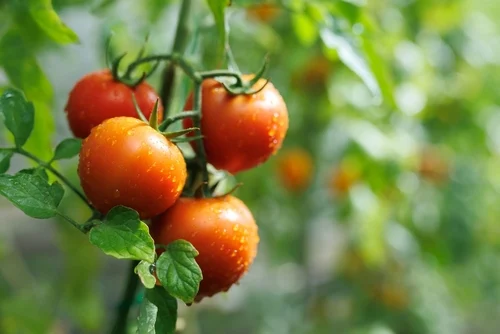
The consumption of tomatoes by domestic poultry presents a complex intersection of nutritional benefit and potential toxicity that requires careful management by backyard flock owners and commercial producers alike. As members of the Solanaceae family, commonly known as nightshades, tomatoes contain specific alkaloids that serve as natural defense mechanisms for the plant but can pose significant health risks to avian species if ingested improperly. Understanding the chemical composition of the tomato plant, the physiological impact of its toxins, and the appropriate serving sizes is essential for maintaining a healthy and productive flock. While ripe tomatoes offer a range of antioxidants and essential vitamins, the green portions of the plant—including stems, leaves, and unripened fruit—harbor concentrations of solanine and tomatine that can lead to severe gastrointestinal and neurological distress in chickens.
The Botanical and Chemical Profile of the Nightshade Family
To understand the risks associated with tomatoes, one must first examine the botanical lineage of the Solanaceae family. This diverse group of plants includes not only tomatoes but also potatoes, eggplants, peppers, and the notoriously toxic belladonna (deadly nightshade). The primary concern for poultry health lies in the presence of glycoalkaloids, specifically solanine and tomatine. These compounds are produced by the plant to deter herbivores and protect against fungal and bacterial infections.

Solanine is a bitter-tasting steroidal alkaloid found throughout the nightshade family. In tomatoes, it is most concentrated in the vegetative portions of the plant. Tomatine, a related glycoalkaloid, is found specifically in tomato plants. While tomatine is generally considered less toxic than the solanine found in potatoes, it still possesses the potential to disrupt cellular membranes and interfere with the digestive enzymes of birds. As a tomato ripens, the levels of these alkaloids drop precipitously, which is a biological strategy used by the plant to encourage seed dispersal by making the fruit palatable to animals. For the poultry keeper, this means the stage of the fruit’s development is the primary factor in determining its safety.
Identifying the Risks: Stems, Leaves, and Unripe Fruit
The highest concentrations of solanine and tomatine are found in the green parts of the tomato plant. For this reason, veterinary experts and poultry specialists advise strictly prohibiting chickens from accessing tomato vines, leaves, and green, unripened fruit. In a garden setting, chickens are natural foragers and may be tempted to peck at the lush foliage of a tomato plant. However, the ingestion of even small amounts of tomato leaves can introduce dangerous levels of alkaloids into the bird’s system.
Chronologically, the risk is highest during the early to mid-summer months when tomato plants are in their peak vegetative growth phase and fruit has not yet reached maturity. During this time, the "green" weight of the plant is at its maximum, and the chemical defenses are most active. Unlike the fruit, which loses its toxicity as it turns red or yellow, the stems and leaves remain toxic throughout the entire life cycle of the plant. Consequently, once the gardening season ends, flock owners must ensure that spent tomato vines are removed from the coop area and not added to compost piles where chickens might forage.

Clinical Symptoms of Alkaloid Poisoning in Poultry
The physiological impact of solanine and tomatine poisoning in chickens can range from mild discomfort to fatal systemic failure, depending on the amount consumed and the size of the bird. Solanine acts as a cholinesterase inhibitor, which means it interferes with the nervous system’s ability to transmit signals properly. This leads to a variety of neurological and physical symptoms.
Symptoms of solanine poisoning in poultry typically include:
- Bradycardia: A significantly slowed pulse or heart rate.
- Gastrointestinal Distress: Severe diarrhea and vomiting (though vomiting is less common in birds, they may expel crop contents).
- Hypothermia: A noticeable drop in body temperature, often characterized by the bird huddling or appearing lethargic.
- Abdominal Pain: The bird may stand in a hunched position or show sensitivity when handled.
- Neurological Impairment: Loss of coordination, paralysis, or labored breathing.
Tomatine poisoning presents with a similar, though often less acute, clinical picture. Common symptoms include nausea, abdominal cramps, and diarrhea. Because chickens are prey animals, they are instinctively programmed to hide signs of illness. By the time a flock owner notices these symptoms, the toxicity may have already reached a critical level. Therefore, prevention through environmental control is the most effective management strategy.

The Nutritional Advantages of Ripe Tomatoes
Despite the risks associated with the green components of the plant, fully ripe tomatoes are widely regarded as a nutritious treat when fed in moderation. When the fruit reaches its final color—be it red, orange, or yellow—the alkaloid content diminishes to a level that the avian liver can typically process without adverse effects.
Ripe tomatoes are a rich source of several key nutrients that support poultry health:
- Antioxidants and Lycopene: Tomatoes are famous for their high lycopene content. In chickens, antioxidants help combat oxidative stress and support a robust immune system, which is particularly beneficial during molting or periods of environmental stress.
- Vitamins A, C, and K: Vitamin A is essential for respiratory health and the integrity of mucosal membranes. Vitamin C serves as a stress-reducer, while Vitamin K is vital for proper blood clotting and bone health.
- Potassium and Carotenoids: These minerals and pigments contribute to overall metabolic function and can even enhance the pigment of egg yolks, making them a deeper, more vibrant orange.
- Hydration: Tomatoes have a high water content, making them an excellent treat during hot summer months to help keep the flock hydrated.
The 10 Percent Rule and Dietary Moderation
While the nutritional profile of a ripe tomato is impressive, it must be balanced against the total dietary needs of the bird. Poultry nutritionists emphasize that treats, including fruits and vegetables, should never exceed 10% of a chicken’s total daily caloric intake. The vast majority of a chicken’s diet (approximately 90%) should consist of a high-quality, balanced commercial layer feed.

Overfeeding tomatoes can lead to nutritional imbalances. Because tomatoes are high in water and natural sugars but low in the concentrated protein and calcium required for egg production, excessive consumption can lead to a drop in laying rates or the production of thin-shelled eggs. For an average-sized adult hen, a safe portion size is approximately one to two tablespoons of chopped ripe tomato per day. This ensures the bird receives the micronutrients without diluting the essential macronutrients provided by their primary feed.
Vulnerable Populations: Chicks and Ailing Birds
The age and health status of the bird play a critical role in how they process potential toxins. Expert recommendations, including those from veteran chicken keepers like Lisa Steele, emphasize that baby chicks should never be fed tomatoes or any nightshade products. A chick’s digestive and metabolic systems are highly sensitive and still developing; even a trace amount of tomatine can be fatal to a bird weighing only a few ounces.
Similarly, older hens or those with compromised immune systems are at a higher risk. Birds suffering from existing respiratory issues or digestive upsets do not have the physiological reserves to handle the stress of processing alkaloids. For these vulnerable populations, a strict diet of starter or grower crumbles is necessary to ensure survival and growth.

Expert Perspectives and Management Implications
Agricultural experts and "old-timer" poultry practitioners generally agree that while tomatoes are not "poisonous" in the absolute sense, they are "conditional" treats. The consensus among the backyard farming community is that the risks are easily managed through proper garden infrastructure. Fencing off garden plots with hardware cloth or chicken wire is the most common recommendation to prevent the flock from accessing tomato vines.
Furthermore, the introduction of tomatoes into the diet should be done gradually. This allows the flock owner to monitor for any signs of digestive upset or changes in droppings. If a bird shows signs of watery diarrhea after consuming tomatoes, the treat should be discontinued immediately.
Broader Impact on Sustainable Poultry Management
The discussion surrounding tomatoes and chickens reflects a broader trend in sustainable agriculture: the use of kitchen scraps to reduce waste and supplement animal diets. As more households adopt backyard chickens, the demand for accurate information regarding "safe" vs. "unsafe" foods has increased. This has led to a more nuanced understanding of plant chemistry in the context of animal husbandry.

By following the guidelines of feeding only ripe fruit, avoiding all green vegetative matter, and adhering to the 10% treat rule, poultry owners can safely integrate tomatoes into their flock management. This approach not only provides the birds with a varied and stimulating diet but also utilizes garden surpluses in a way that promotes flock health rather than compromising it. The key remains education and vigilance, ensuring that the bounty of the summer garden does not inadvertently lead to a health crisis in the coop.
