
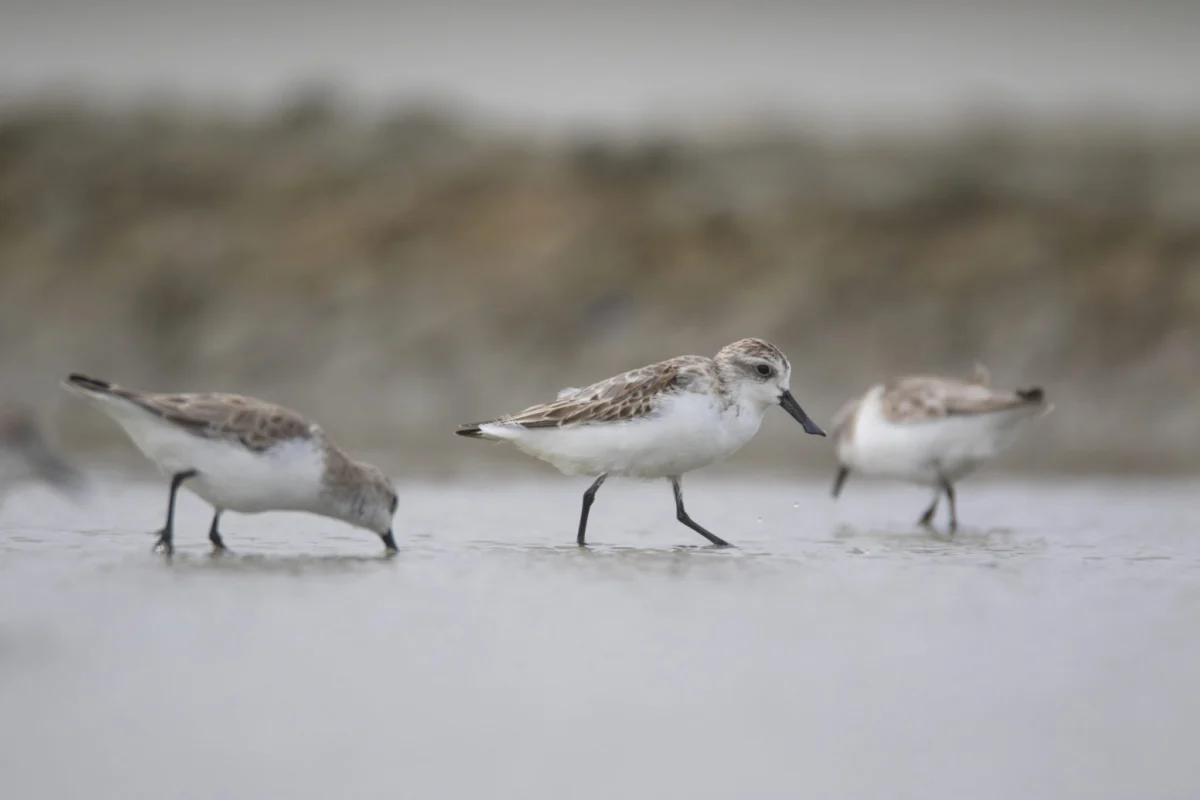
Twice a year, an awe-inspiring biological spectacle unfolds across the globe as millions of migratory birds undertake extraordinary journeys spanning thousands of kilometers between their traditional breeding grounds and wintering habitats. This transcontinental navigation is one of nature’s most magnificent phenomena, establishing these avian species as remarkable testaments of endurance and adaptability. However, this ancient rhythm of life is facing an unprecedented crisis. A landmark scientific assessment released by BirdLife International through its comprehensive State of the World’s Birds report reveals a deeply troubling reality: out of more than 2,000 recognized migratory bird species worldwide, a staggering 45 percent are currently experiencing population declines.
The crisis is heavily concentrated among specific ecological groups, with migratory shorebirds bearing the brunt of the environmental pressures. According to the data, 54 percent of shorebird species are in steep decline. This alarming trend is no longer a distant threat but a harsh reality already leaving irreversible gaps in global biodiversity. Last year, the conservation community suffered a profound loss when the migratory slender-billed curlew was officially declared extinct. This tragedy is not an isolated incident; empirical records show that 11 percent of all migratory bird species are currently threatened with extinction. Furthermore, scientists have confirmed or strongly suspect that at least seven distinct migratory species have been permanently lost over the past 150 years.
The root causes of this widespread avian collapse are well-documented, systemic, and entirely anthropogenic. Human-driven activities—principally accelerating climate change, widespread environmental pollution, and unsustainable commercial and urban development—are systematically dismantling the ecological safety nets that these animals require to survive their annual journeys.
Understanding the Ecological Ripple Effects
The implications of declining migratory bird populations extend far beyond the loss of iconic wildlife; they threaten the fundamental stability of global ecosystems. Migratory birds function as critical ecological regulators across multiple continents. As they traverse flyways, they act as vital agents of seed dispersal, regulate native insect populations, and play a direct role in maintaining the structural health of diverse habitats.
The widespread reduction in their numbers disrupts complex food webs and compromises vital ecosystem services, including natural pollination and agricultural pest control. The resulting ripple effects can generate severe ecological imbalances in regions located thousands of kilometers away from the birds’ specific breeding grounds or wintering wetlands. Because birds are extraordinarily sensitive to environmental shifts and are scientifically better monitored than almost any comparable group of organisms, their dwindling populations serve as a definitive barometer of planetary health. In short, the vanishing flocks are an unmistakable warning sign that Earth’s natural systems are under severe stress.
The Indispensable Role of Global Wetlands
To complete their grueling journeys, the vast majority of migratory bird species rely fundamentally on healthy, functioning wetland ecosystems. Coastal mudflats, expansive river basins, inland lakes, peatlands, and tidal marshes provide essential foraging grounds, protective shelter, and critical breeding habitats.
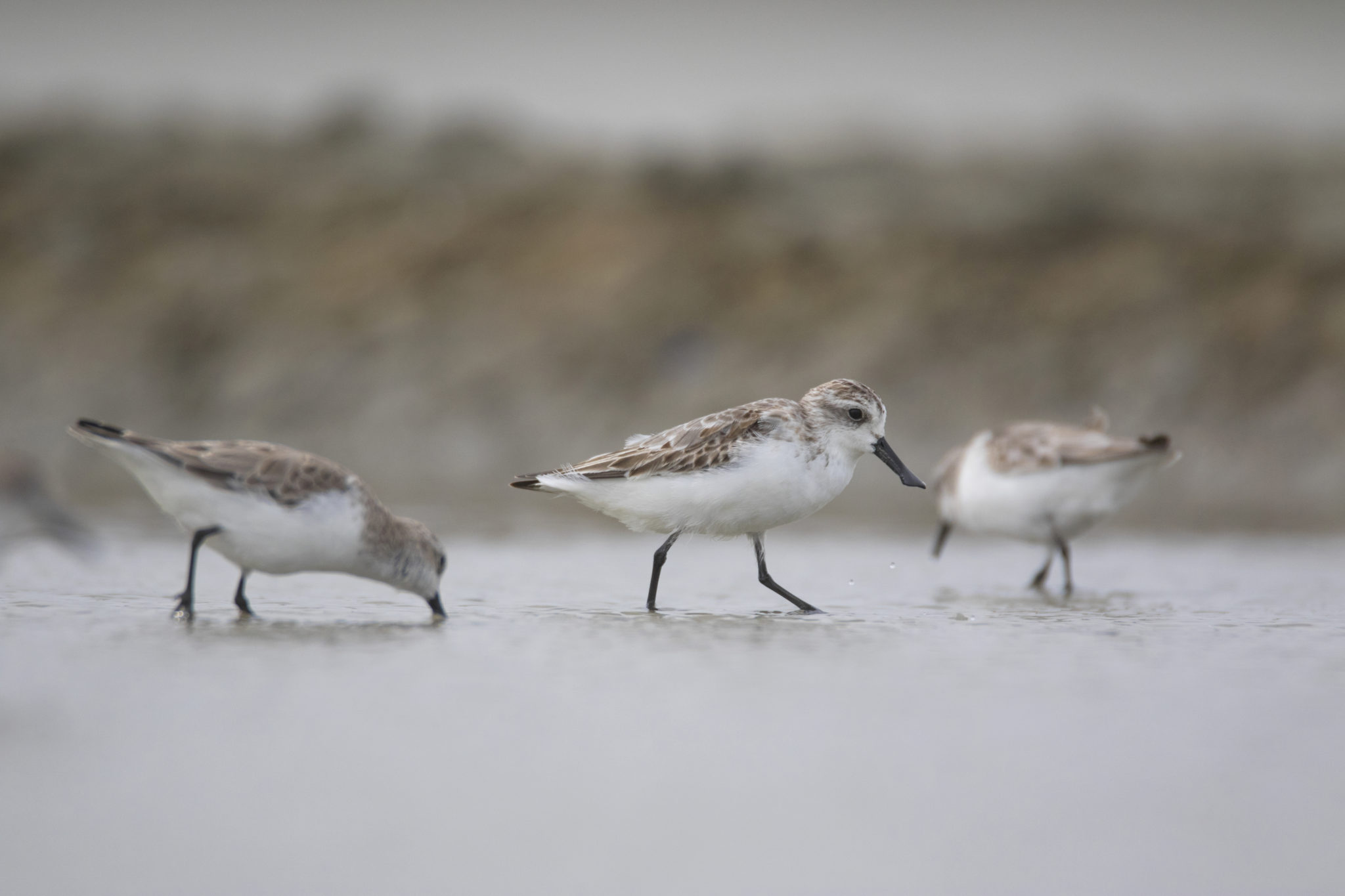
These ecosystems are organized along major global migratory routes known as flyways. Among them, the East Atlantic Flyway, which stretches from the high Arctic down to the southern coast of Africa, sustains millions of birds, including the critically endangered spoon-billed sandpiper. Similarly, the East Asian-Australasian Flyway spans 22 distinct countries and provides sanctuary to approximately 50 million migratory waterbirds representing more than 210 species. Along this route, the localized destruction or degradation of a single mudflat in China can result in thousands of red knots losing their only viable staging ground to rest, refuel, and successfully raise their fledglings. Furthermore, the high-altitude peatlands of Central Asia and Mongolia serve as irreplaceable stopover sites for the threatened Siberian crane during its arduous migration between Arctic Siberia and eastern China.
Despite their monumental ecological value, wetlands remain historically undervalued, misunderstood, and systematically overlooked by policymakers and developers. Rivers are frequently treated merely as industrial water pipes, lakes are drained or utilized as receptacles for municipal and agricultural pollution, and vital marshes are dismissed as unproductive wastelands ready for reclamation. This pervasive mismanagement has driven the catastrophic loss of approximately 22 percent of the world’s remaining wetlands since 1970. Today, these critical environments continue to be drained, dammed, dredged, and degraded at an alarming pace to accommodate expanding human infrastructure and intensive agriculture.
A Chronology of Mounting Environmental Pressure
The deterioration of migratory bird populations and their habitats is the culmination of decades of intensifying environmental pressures.
During the mid-20th century, post-war industrialization and agricultural intensification began accelerating the conversion of natural wetlands into agricultural fields and urban centers. The Ramsar Convention on Wetlands, adopted in 1971, marked the first major international recognition of the crisis, establishing an intergovernmental treaty for the conservation and sustainable use of wetland resources.
Despite these diplomatic efforts, the 1980s and 1990s saw an acceleration of coastal reclamation projects, particularly in East Asia, where tidal mudflats were systematically paved over for industrial and real estate development. By the early 2000s, ornithologists began recording steep, synchronized drops in shorebird populations along major flyways.
The formal extinction of the slender-billed curlew last year served as a watershed moment for the conservation community, transitioning the discourse from theoretical risk to actualized loss. The release of the latest BirdLife International data further cements this timeline, demonstrating that without immediate structural intervention, the rate of species extinction will outpace conservation capacity.
Global Conservation Strategies and Scientific Response
While the pressures facing migratory birds are immense, the necessary countermeasures are well-established and scientifically validated. Organizations such as Wetlands International operate across multiple international flyways to implement targeted interventions. Their work focuses heavily on restoring degraded wetlands, legally protecting healthy ecosystems, and—crucially—gathering continuous empirical data to drive science-based conservation strategies.
Restoring these landscapes requires coordinated international cooperation, bridging governments, local communities, and scientific bodies across borders. By securing legal protections for key stopover sites and integrating wetland management into broader climate resilience frameworks, conservationists aim to halt the downward trajectory of migratory species.
Official Responses and Expert Warnings
The release of the latest data has drawn sharp commentary from international conservation leaders, who emphasize the urgent need for systemic policy shifts.
"This loss of the Slender-billed Curlew is another deafening wake-up call," stated Coenraad Krijger, CEO of Wetlands International. "We must urgently accelerate efforts to save the world’s migratory waterbirds and the wetlands they depend on before more species join the lengthening list of those that are gone for good."
Environmental economists and policy analysts echo this sentiment, noting that protecting wetlands is not merely an act of wildlife preservation, but an essential economic and climate strategy. Healthy wetlands sequester vast amounts of carbon, buffer coastal communities against severe storms, and naturally filter freshwater resources.
Broader Implications for Humanity
The plight of migratory birds and their wetland habitats is deeply intertwined with human survival. As climate change intensifies weather extremes, the degradation of natural buffers like mangroves, marshes, and floodplains leaves human populations increasingly vulnerable to floods, droughts, and sea-level rise.
The decline of pollinators and pest-controlling avian species directly threatens agricultural productivity and food security. Therefore, reversing the trajectory of migratory bird populations is not an isolated conservation goal, but a vital component of global sustainability. Safeguarding the skies and the wetlands that sustain them requires an immediate paradigm shift—moving away from the destruction of natural water systems and toward a future where human development coexists with the ecological rhythms of the natural world.
