
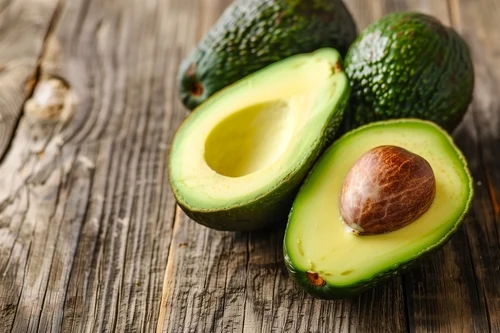
While the avocado (Persea americana) has earned a reputation as a nutrient-dense "superfood" for human consumption, veterinary experts and agricultural scientists are issuing renewed warnings regarding its severe toxicity to poultry and various livestock species. For the growing community of backyard chicken keepers and small-scale farmers, the common practice of feeding kitchen scraps to animals presents a hidden danger when it includes any part of the avocado plant. According to the Merck Veterinary Manual and several recent toxicological studies, avocados contain a fungicidal toxin known as persin, which can cause acute respiratory distress, myocardial damage, and sudden death in birds and mammals.
The risk is not limited to the fruit’s pit or skin; every component of the avocado plant—including the leaves, stems, bark, and even the fruit’s flesh—contains varying concentrations of this hazardous compound. For a small bird, the consumption of as little as 5% of a single avocado can lead to a fatal outcome within 48 hours. This high level of toxicity makes the avocado one of the most dangerous common household foods for avian species, necessitating a strict "zero-tolerance" policy for its presence in any animal enclosure.

The Chemical Profile of Persin Toxicity
To understand why a fruit so beneficial to humans is so lethal to animals, one must look at the chemical composition of the avocado tree. The primary culprit, persin, is an oil-soluble compound structurally similar to a fatty acid. Evolutionarily, the avocado tree produces persin as a natural defense mechanism against fungal infections. While human digestive systems and metabolic pathways are capable of processing this compound without ill effects, many other animals lack the necessary enzymes or physiological resilience to neutralize it.
When ingested by susceptible species, persin targets the heart muscle (myocardium) and the mammary glands. In birds, the toxin disrupts the cellular integrity of the heart, leading to myocardial necrosis—the death of heart tissue. This damage prevents the heart from pumping blood effectively, resulting in a cascade of physiological failures. The most common clinical signs in chickens and turkeys include a rapid onset of lethargy, ruffled feathers, and "gasps" for air as the lungs fill with fluid, a condition known as pulmonary edema.
Chronology of Veterinary Research and Discovery
The recognition of avocado toxicity is not a new development in veterinary science, though public awareness has lagged behind the fruit’s increasing popularity. The history of research into Persea americana toxicosis spans several decades, with key milestones establishing the current safety guidelines.

In the mid-20th century, reports began emerging from regions like California and South Africa, where avocado trees are native or widely cultivated. Farmers noted that livestock—particularly cattle and goats—suffered from non-infectious mastitis and heart failure after grazing near avocado orchards. By the 1980s, targeted studies confirmed that the leaves of certain varieties, such as the Guatemalan avocado, were significantly more toxic than others.
In the 1990s and early 2000s, the focus shifted toward companion animals and backyard poultry. As "homesteading" became a popular lifestyle choice, veterinarians saw an uptick in cases of sudden death in parrots, canaries, and chickens. These cases were frequently traced back to owners unknowingly sharing guacamole or avocado skins with their pets. The Merck Veterinary Manual subsequently codified these findings, listing the avocado as a primary food hazard for animals and highlighting the specific vulnerability of the avian respiratory and cardiovascular systems.
Species-Specific Vulnerability and Supporting Data
While chickens and turkeys are among the most sensitive to persin, the spectrum of susceptibility is broad. Research indicates that different species react to the toxin in varying ways:

- Avian Species (Chickens, Turkeys, Ostriches, Parrots): These animals exhibit the highest sensitivity. In addition to heart failure, birds often suffer from hydropericardium—an accumulation of fluid in the sac surrounding the heart. Because birds have high metabolic rates and specialized respiratory systems involving air sacs, they succumb to the toxin much faster than mammals.
- Small Mammals (Rabbits, Guinea Pigs, Mice, Rats): In these species, persin exposure often leads to inflammation of the mammary glands and heart tissue. While not always immediately fatal in lower doses, it causes significant distress and long-term organ damage.
- Livestock (Sheep, Goats, Cattle, Horses): Large ruminants and equines typically ingest the toxin by browsing on fallen leaves or branches. In horses, the toxicity manifests as edema in the head, neck, and chest, along with colic-like symptoms. In lactating livestock, persin causes a dramatic drop in milk production and severe mastitis.
- Aquatic Life: Some studies have suggested that persin can be toxic to certain fish species if avocado waste is introduced into closed water systems or ponds, leading to gill damage and respiratory failure.
Data from toxicological reports suggest that the concentration of persin is highest in the leaves of the tree, followed by the skin and the pit. While the flesh of the fruit contains lower levels, it is still sufficient to kill a bird. The "lethal dose" varies by weight, but for a standard three-pound chicken, even a few grams of avocado waste can reach the toxicity threshold.
Clinical Progression and Symptoms
The timeline of avocado poisoning is often tragically short. Because the toxin attacks the heart, there is frequently no outward sign of illness until the animal is near death. However, observant owners may notice a specific progression of symptoms:
- 0–12 Hours Post-Ingestion: The animal may appear normal, though some may show a slight decrease in appetite.
- 12–24 Hours Post-Ingestion: Onset of lethargy. Birds may sit in a hunched position with closed eyes. Respiratory rates begin to climb.
- 24–48 Hours Post-Ingestion: Acute respiratory distress. Chickens may stretch their necks out to breathe. The comb and wattles may turn a bluish-purple (cyanosis) due to lack of oxygen.
- Final Stage: Sudden collapse followed by death due to cardiac arrest.
Veterinary intervention is rarely successful once symptoms have appeared, as the damage to the heart muscle is irreversible. There is currently no known antidote for persin poisoning; treatment is limited to supportive care, such as oxygen therapy and diuretics to reduce fluid buildup, which is often impractical and cost-prohibitive for backyard poultry.

Broader Implications for Backyard Farming and Agricultural Safety
The rise of the "zero-waste" movement has encouraged many households to compost or feed all kitchen scraps to their chickens. While this is generally an environmentally friendly practice, the avocado represents a critical exception that highlights the need for better nutritional education among hobbyist farmers.
The implications extend beyond the individual backyard. In regions where avocado production and poultry farming coexist, there is a risk of cross-contamination. Fallen leaves blown into poultry runs or the inclusion of avocado processing byproducts in animal feed can lead to mass mortality events. Agricultural experts suggest that any property housing both avocado trees and livestock must implement strict fencing and debris-clearing protocols.
Furthermore, the popularity of the avocado in modern diets means that these fruits are present in nearly every grocery store and kitchen. Unlike more obscure toxins, the avocado is a "commonplace danger." This necessitates a shift in how poultry health is managed, moving from a reactive model to a proactive, educational model where new owners are taught the "forbidden list" of foods—including chocolate, caffeine, onions, and avocados—before they begin their flock.

Expert Recommendations and Safe Alternatives
To ensure the safety of backyard flocks and domestic animals, veterinary experts recommend a total ban on avocado products in animal areas. This includes:
- Ensuring that compost bins containing avocado pits or skins are securely covered and inaccessible to chickens.
- Educating all family members and visitors about the dangers of feeding "treats" from the kitchen.
- Monitoring foraging areas for fallen leaves if an avocado tree is located on or near the property.
Instead of risky scraps, poultry owners are encouraged to provide safe, nutrient-rich treats that support egg production and bird health. Safe alternatives include leafy greens (such as kale or spinach), watermelon, blueberries, cooked beans (never raw), and mealworms. These options provide the enrichment and nutritional variety that chickens enjoy without the risk of lethal toxicosis.
Conclusion: A Preventable Tragedy
The toxicity of avocados to chickens and other animals is a stark reminder that biological systems vary wildly across the animal kingdom. What serves as a healthy source of monounsaturated fats for a human can act as a potent cardiotoxin for a bird. As the trend of backyard farming continues to grow, the dissemination of factual, science-based information regarding animal nutrition is vital. By understanding the chemical nature of persin and the physiological vulnerabilities of their animals, owners can prevent unnecessary loss and ensure the longevity of their flocks. The message from the veterinary community remains clear: the risk posed by avocados is absolute, and prevention through education is the only effective cure.
