
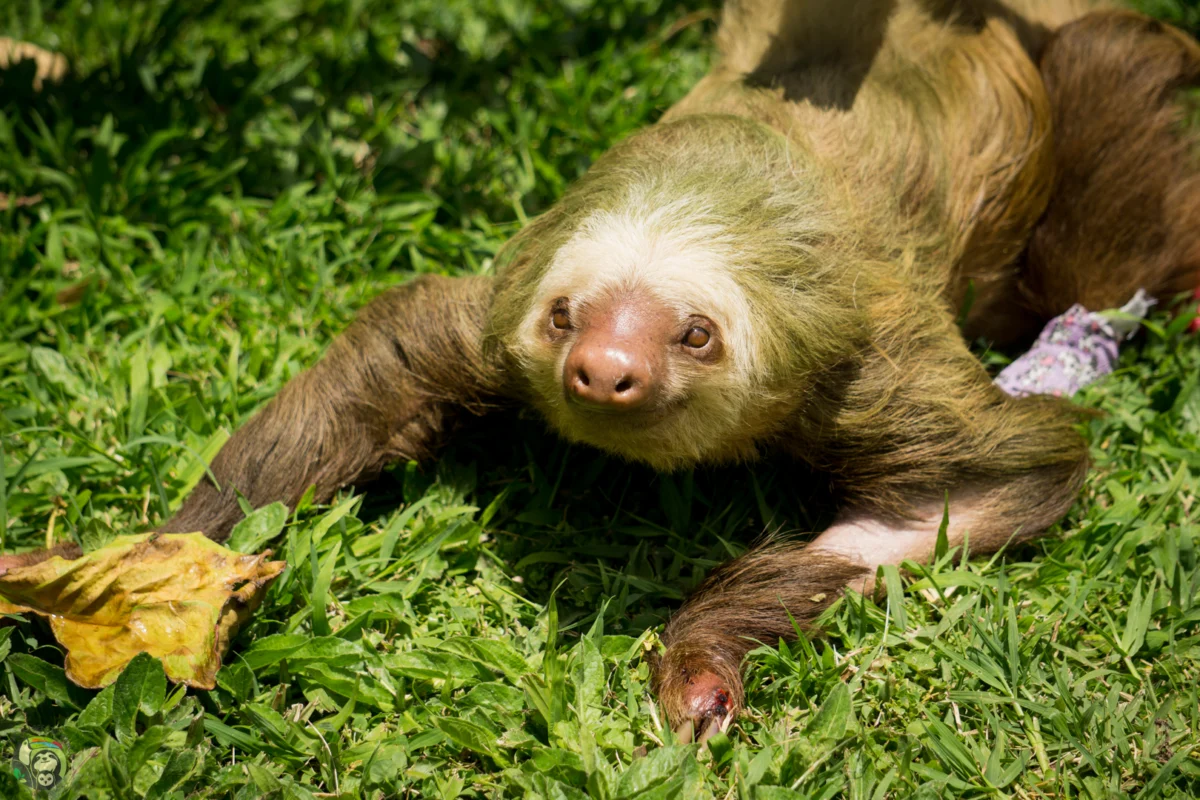
The Toucan Rescue Ranch (TRR), a prominent wildlife rescue and rehabilitation center located in the lush landscapes of Costa Rica, has emerged as a critical hub for specialized veterinary care and ecological preservation in the Central American region. Established with a mission to rescue, rehabilitate, and release injured and displaced wildlife, the facility has integrated advanced medical technology with compassionate animal husbandry to address the complex needs of Costa Rica’s diverse fauna. As the global community grapples with the accelerating loss of biodiversity, the work performed at TRR provides a blueprint for effective wildlife medicine, combining emergency intervention with long-term ecological strategies.
The cornerstone of the ranch’s operations is its specialized veterinary clinic, which serves as a high-tech hospital for species ranging from iconic toucans and sloths to elusive oncillas and various reptiles. Unlike domestic veterinary practices, wildlife medicine at TRR requires a profound understanding of the physiological and psychological nuances of exotic species. The facility’s commitment to this niche field ensures that animals arriving from the wild—often victims of power line electrocutions, vehicle strikes, or the illegal pet trade—receive the highest standard of care available.
The Diagnostic Protocol: A Comprehensive Approach to Wildlife Intake
The medical journey for every resident at Toucan Rescue Ranch begins with a rigorous comprehensive health assessment. Upon arrival, each animal undergoes a detailed physical examination conducted by a team of skilled veterinarians specializing in avian and exotic medicine. This initial phase is critical, as wild animals are biologically programmed to mask signs of illness or injury to avoid predation, a phenomenon known as "survival masking."
To bypass these natural defenses, the TRR medical team employs a suite of diagnostic tools, including hematology (blood work), biochemistry, and advanced imaging such as digital radiography and ultrasonography. These tests allow clinicians to identify internal fractures, parasitic infections, organ dysfunction, or metabolic bone diseases that are common in malnourished or illegally kept animals. By establishing a baseline of health through these data-driven assessments, the ranch is able to formulate bespoke treatment plans tailored to the specific biological requirements of each species.
Specialized Surgical Interventions and State-of-the-Art Technology
Once a diagnosis is established, the facility’s surgical suite becomes the focal point of life-saving interventions. The clinic is equipped with specialized medical technology designed for the unique anatomy of wildlife. For instance, avian patients require specialized anesthesia protocols due to their complex respiratory systems, which include air sacs rather than a simple diaphragm.
The scope of surgical care at TRR is vast. Veterinarians frequently perform complex orthopedic surgeries to repair broken wings in raptors or limbs in arboreal mammals like sloths and monkeys. One notable area of expertise is the repair of turtle shells; using innovative techniques such as orthopedic wiring and epoxy resins, the team can reconstruct carapaces damaged by boat propellers or terrestrial accidents. These specialized treatments address both the immediate trauma and the long-term structural integrity required for an animal to survive once it is returned to its natural habitat.
The Path to Recovery: Rehabilitation and Natural Simulation
Medical intervention is only the first step in a multi-phased recovery process. Rehabilitation at Toucan Rescue Ranch is designed to bridge the gap between clinical stabilization and wild autonomy. After undergoing surgery or intensive treatment, animals are transitioned into recovery enclosures that are meticulously designed to simulate their natural environments.
This phase of care is as much about psychological well-being as it is about physical healing. For arboreal species like the two-fingered and three-fingered sloths, enclosures are outfitted with intricate networks of branches and ropes to encourage natural climbing behaviors and muscle strengthening. For birds, flight tunnels allow for the gradual regaining of wing strength and maneuverability. The TRR staff closely monitors these residents through non-invasive observation, adjusting treatment plans based on the animal’s ability to forage, move, and interact with its environment. The ultimate goal is always a "soft release" or "hard release," depending on the species and the duration of its stay.
Nutritional Science and Preventative Medicine
The recovery of injured wildlife is heavily dependent on precise nutritional support. Toucan Rescue Ranch employs specialized nutritionists who work in tandem with the veterinary team to develop species-specific diets. In the wild, a toucan’s diet is rich in specific fruits and insects, while a sloth relies on a complex variety of leaves that are often difficult to replicate in captivity. TRR overcomes these challenges by sourcing local vegetation and supplements that meet the exact caloric and micronutrient needs of each resident, ensuring that they maintain the energy levels required for healing and eventual re-adaptation to the wild.
In addition to nutrition, preventative medicine forms a proactive shield against disease outbreaks within the sanctuary. Given that many rescued animals come from areas where they may have been exposed to domestic pathogens, TRR implements strict quarantine protocols and routine health checks. Vaccinations, where applicable, and rigorous parasite control measures are standard. This preventative approach not only protects the individual animal but also safeguards the local wild populations from the introduction of "spillover" diseases when rehabilitated animals are released.
Historical Context and the Evolution of the Ranch
The Toucan Rescue Ranch was founded in 2004 by Leslie Howle, initially as a rescue center specifically for toucans. However, the pressing need for wildlife services in Costa Rica quickly necessitated an expansion of the mission. Over the past two decades, the organization has grown from a small-scale rescue into a globally recognized non-profit organization.
A significant milestone in the ranch’s history was the establishment of its dedicated wildlife hospital. Before the clinic reached its current state-of-the-art status, many complex cases had to be outsourced or handled with limited resources. The evolution of the medical facility has allowed TRR to participate in high-level conservation research, contributing data on wildlife diseases and injury trends to the Ministry of Environment and Energy (MINAE) in Costa Rica. This data is vital for government agencies to implement better infrastructure, such as insulated power lines or wildlife bridges, to mitigate common causes of animal injury.
Environmental Threats and the Role of the Clinic in Conservation
Costa Rica is home to approximately 5% of the world’s biodiversity, despite occupying only 0.03% of the Earth’s surface. This high density of life makes the region a critical focal point for conservation efforts. However, increasing urbanization and tourism have led to a rise in human-wildlife conflict.
Supporting data from TRR and regional partners indicates that electrocution on uninsulated power lines is one of the leading causes of admission for sloths and monkeys. The medical clinic at TRR acts as a "front-line" responder to these environmental hazards. By successfully treating and releasing these "ecosystem engineers"—animals that play a key role in seed dispersal and forest health—the ranch ensures that the ecological functions of the rainforest remain intact. The clinic’s work is therefore not just about saving individual lives, but about preserving the genetic diversity and health of the entire ecosystem.
Education, Training, and Global Impact
Recognizing that medical care alone cannot solve the biodiversity crisis, Toucan Rescue Ranch has invested heavily in education and professional training. The facility serves as a premier destination for veterinary interns and biology students from around the world. These programs focus on the latest developments in wildlife medicine, anesthesia, and rehabilitation techniques.
By training the next generation of conservationists, TRR extends its impact far beyond the borders of Costa Rica. Interns return to their home countries equipped with specialized knowledge that can be applied to other endangered species. Furthermore, the ranch’s public education programs aim to change human behavior, teaching locals and tourists alike about the dangers of feeding wildlife or participating in the illegal pet trade.
Socio-Economic Implications and Future Outlook
The work of the Toucan Rescue Ranch also carries significant socio-economic weight. Costa Rica’s economy is deeply intertwined with ecotourism; visitors from across the globe travel to the country specifically to see the wildlife that TRR works so hard to protect. By maintaining healthy wildlife populations, the ranch indirectly supports the thousands of livelihoods that depend on a vibrant, biodiverse environment.
As TRR looks toward the future, the integration of technology and conservation continues to expand. Plans for further facility upgrades and expanded field research are underway. The ranch remains a testament to the fact that with the right combination of medical expertise, community involvement, and environmental advocacy, a brighter and healthier future for wildlife is possible.
The Toucan Rescue Ranch stands as a vital pillar in the global conservation movement. Its comprehensive approach—ranging from the precision of the operating table to the complexity of forest re-entry—ensures that the magnificent creatures of Costa Rica are given a second chance at life in the wild. Through its unwavering commitment to wildlife medicine, the organization continues to inspire a global audience to value and protect the natural world.
