
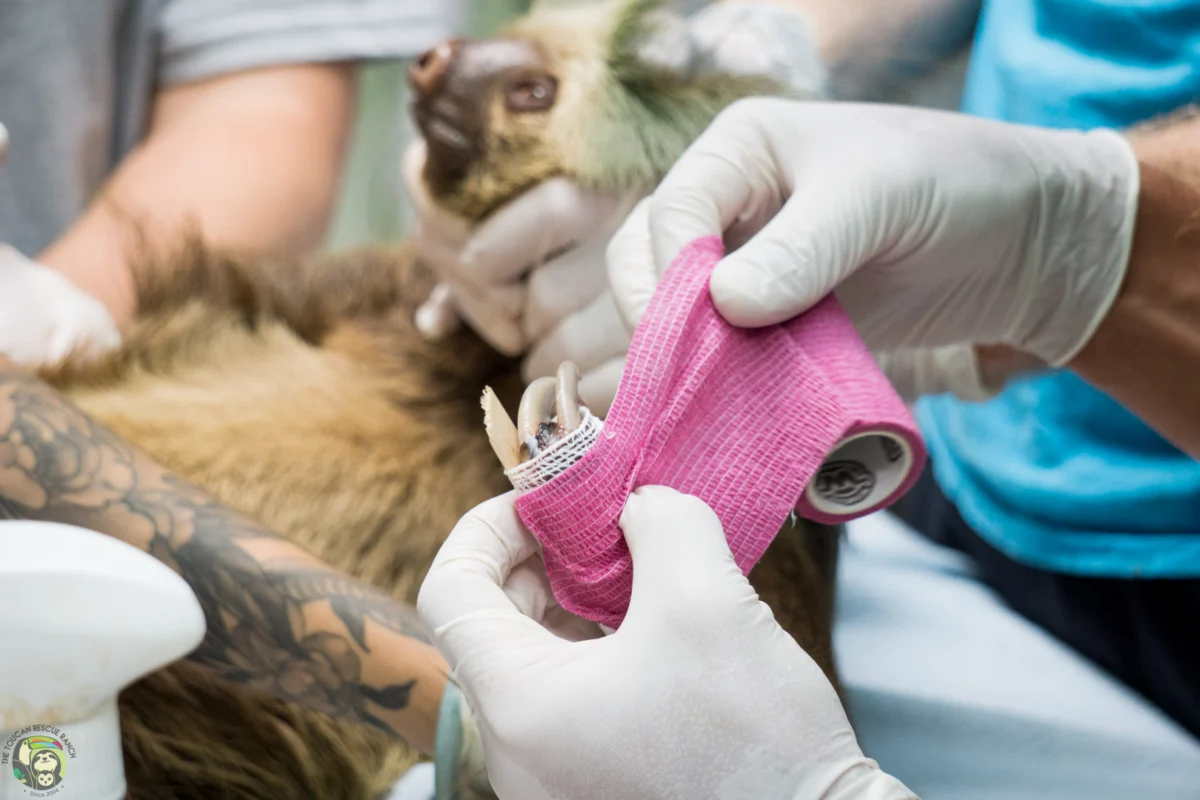
Toucan Rescue Ranch, a premier wildlife rescue and rehabilitation facility based in Costa Rica, has launched a comprehensive initiative to streamline the acquisition of critical supplies necessary for the care of the nation’s diverse fauna. By leveraging digital wish lists and establishing specific logistical pathways, the organization aims to bridge the gap between international donors and the immediate needs of orphaned, injured, and displaced animals. This initiative comes at a pivotal time for Costa Rican conservation, as the demand for veterinary intervention and long-term rehabilitation continues to rise in response to habitat fragmentation and environmental pressures.
The mission of Toucan Rescue Ranch (TRR) is multifaceted, focusing on the rescue, rehabilitation, and eventual release of Costa Rica’s iconic wildlife. While the organization’s name highlights the toucan, its scope of care extends to a wide array of species, including two-fingered and three-fingered sloths, various owl species, and small mammals. The success of these efforts is heavily dependent on the availability of specialized medical equipment, nutritional supplements, and administrative resources. To facilitate this, TRR has curated targeted wish lists through platforms such as Amazon and Cuddly, allowing supporters to purchase specific items that have been vetted by the ranch’s veterinary and animal care teams.
The Vital Role of Wildlife Rehabilitation in Mesoamerica
Costa Rica is home to approximately 5% of the world’s biodiversity, a staggering figure given its relatively small landmass. This biological wealth makes the region a critical focal point for global conservation efforts. However, as human infrastructure expands, wildlife frequently comes into conflict with urban environments. Common causes for admission to the Toucan Rescue Ranch include electrocutions from uninsulated power lines—a particular threat to sloths—vehicle strikes, illegal pet trade confiscations, and domestic animal attacks.
The rehabilitation process is a long-term commitment. For instance, an orphaned sloth may require up to two years of intensive care before it possesses the necessary skills to survive in the wild. This includes specialized milk formulas, temperature-controlled environments, and a gradual "rewilding" process at dedicated release sites. The financial and material burden of this care is significant, necessitating a robust support system from the global community. By providing a direct way for donors to contribute tangible goods, TRR ensures that its clinic and field stations remain equipped to handle the high volume of cases arriving year-round.
Navigating International Logistics: The Challenge of Resource Allocation
One of the primary hurdles for non-profit organizations operating in Central America is the complexity of international shipping and local postal infrastructure. Toucan Rescue Ranch has noted that Costa Rica’s national postal system can be inconsistent for high-priority or sensitive medical shipments. To mitigate the risk of lost or delayed supplies, the organization has issued specific guidelines for donors to ensure that contributions reach their intended destination.
The most efficient method identified by the organization is the "checked luggage" strategy. TRR encourages interns, volunteers, and eco-tourists visiting their facilities or staying at their on-site guesthouse to utilize their personal luggage allowances to transport donated items. This grassroots approach bypasses the bureaucratic and financial hurdles of international freight, ensuring that supplies like surgical instruments, specialized bandages, and nutritional supplements are available for immediate use. This method also fosters a deeper connection between the donors and the conservation work, as they witness the direct application of their contributions upon arrival.
For those unable to travel to Costa Rica, the organization recommends the use of DHL for direct shipments. While more costly than standard mail, the reliability and tracking capabilities of private carriers are essential for ensuring that expensive medical equipment does not languish in customs or become lost in transit.
Strategic Partnerships and the Knoxville Distribution Hub
In a move to further simplify the donation process for North American supporters, Toucan Rescue Ranch has established a strategic partnership with a board member located in Knoxville, Tennessee. This board member has provided warehouse space to serve as a domestic collection point for donated goods. This hub allows donors within the United States to ship items to a domestic address, reducing their initial shipping costs.
However, the organization maintains a transparent stance on the limitations of this hub. Shipping from the United States to Costa Rica remains a logistical challenge involving customs duties and freight coordination. Therefore, the Knoxville location serves primarily as a staging area for items that will eventually be transported by staff or volunteers traveling to the ranch. This tiered approach to logistics demonstrates a sophisticated understanding of the "last-mile" delivery challenges faced by NGOs in developing nations.
A Direct Impact: From Wish Lists to Veterinary Care
The items requested by Toucan Rescue Ranch are categorized by priority to help donors make informed decisions. High-priority items often include medical supplies such as antiseptic solutions, specialized feeding syringes for neonates, and diagnostic tools. These are the frontline defenses in the ranch’s clinic, where veterinarians work to stabilize animals in critical condition.
Medium and lower-priority items often encompass the day-to-day needs of the facility, including cleaning supplies, office equipment, and enrichment tools for the animals. Enrichment is a vital component of the rehabilitation process; it involves providing animals with puzzles, natural climbing structures, and varied diet presentations to stimulate natural behaviors and prevent the psychological decline often seen in captive settings. By maintaining these wish lists, TRR ensures that every department—from the surgical suite to the administrative office—has the resources necessary to function at peak efficiency.
Financial Accountability and International Non-Profit Status
To encourage philanthropic support, Toucan Rescue Ranch maintains dual legal status. It is a registered 501(c)(3) non-profit organization in the United States (EIN: 80-0516453) and a registered foundation in Costa Rica (#300667701803). This status is crucial for donors, as it allows contributions to be tax-deductible to the extent permitted by law. In an era where donors demand high levels of transparency and accountability, these registrations serve as a hallmark of the organization’s legitimacy and commitment to ethical financial management.
The ability to offer tax incentives is a significant driver for corporate and high-net-worth donors, who may be looking to align their philanthropic goals with environmental sustainability. By providing clear documentation and maintaining rigorous standards, TRR positions itself as a reliable partner in the global effort to preserve biodiversity.
The Broader Impact and Future Implications
The work of Toucan Rescue Ranch transcends the individual animals it saves. By rehabilitating and releasing apex predators and key seed dispersers, such as toucans and other avian species, the ranch plays a vital role in maintaining the health of the Costa Rican rainforest. These animals are essential for forest regeneration, ensuring that the ecosystem remains resilient in the face of climate change.
Furthermore, the ranch serves as an educational hub. Through its volunteer and intern programs, it trains the next generation of conservationists and veterinarians. Many of the individuals who bring donated supplies in their checked luggage are students or professionals who will carry the lessons learned at TRR back to their home countries. This "knowledge export" is an often-overlooked benefit of international conservation programs.
Looking forward, the success of the TRR donation model could serve as a blueprint for other NGOs operating in regions with similar logistical challenges. By combining digital commerce (Amazon/Cuddly) with a decentralized transport network (volunteers and domestic hubs), the organization has created a resilient supply chain that is less dependent on traditional, and often unreliable, infrastructure.
Conclusion
The Toucan Rescue Ranch’s call for support is more than a request for supplies; it is an invitation to participate in a proven model of conservation. The organization’s transparent communication regarding its logistical needs—highlighting the unreliability of the local postal system while offering practical alternatives—reflects a pragmatic approach to non-profit management. As habitat loss continues to threaten wildlife globally, the role of specialized rescue centers like TRR becomes increasingly critical. Through the continued generosity of the international community and the strategic management of resources, the ranch remains a beacon of hope for the "incredible wildlife" of Costa Rica, ensuring that species like the sloth and the toucan continue to thrive in their natural habitats.
