
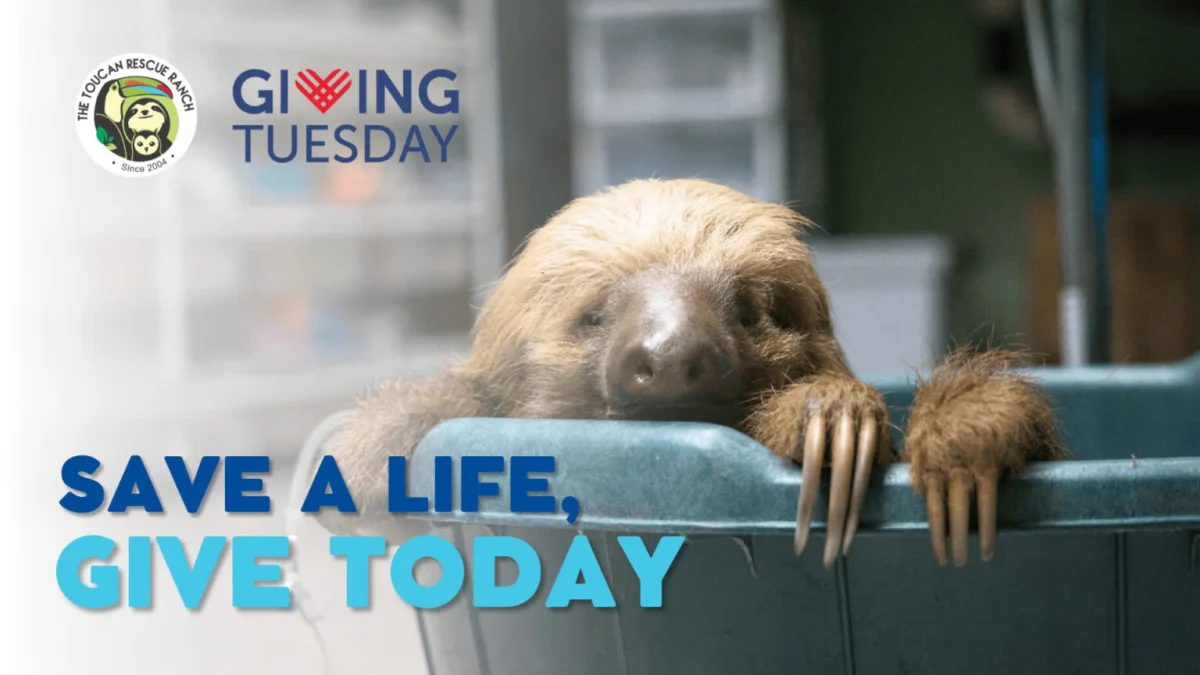
The Toucan Rescue Ranch, a prominent non-profit organization dedicated to the protection of Costa Rican fauna, has officially launched its 2024 Giving Tuesday campaign, citing a critical need for resources as the facility faces its most challenging year in two decades. As a global movement dedicated to philanthropy, Giving Tuesday serves as a vital cornerstone for the organization, which relies almost exclusively on private donations to fund its extensive rescue, rehabilitation, and rewilding operations. This year, the ranch has reported an alarming spike in wildlife admissions, with 2024 on track to become the busiest year in the institution’s 20-year history. By July of this year, the facility had already surpassed the total number of admissions recorded for the entirety of 2023, signaling a growing crisis for the nation’s biodiversity.
As a small, donor-funded nonprofit, the Toucan Rescue Ranch operates at the intersection of emergency veterinary medicine and long-term ecological conservation. The organization’s mission is centered on a three-tier approach: rescuing injured or orphaned animals, rehabilitating them through specialized care, and ultimately rewilding them to ensure they can fulfill their roles in the natural ecosystem. This year’s fundraising goal of $8,000 is aimed at addressing the immediate costs of medical supplies, specialized dietary needs for orphans, and the maintenance of pre-release enclosures. According to administrators, every contribution—ranging from small individual donations to larger corporate gifts—is tax-deductible and goes directly toward the daily operations required to manage a sanctuary that is currently operating at maximum capacity.
The Rising Tide of Wildlife Emergencies in Costa Rica
The statistical data provided by the Toucan Rescue Ranch paints a stark picture of the current state of wildlife in Costa Rica. In 2023, the facility received over 400 vulnerable animals, a number that was considered high at the time. However, the 2024 data indicates a significant escalation. Having already exceeded the 400-animal threshold by mid-year, the ranch is experiencing an unprecedented demand for its services. This surge is not an isolated incident but rather a reflection of broader environmental and anthropogenic pressures facing the region.
A particularly distressing statistic highlighted in the campaign is that 41.8% of the animals currently in the care of the Toucan Rescue Ranch are orphans. These young animals, ranging from infant sloths to fledgling toucans and owls, require intensive, round-the-clock care that mimics the nurturing they would have received from their mothers. The cost of raising an orphaned animal to the point of release is significantly higher than treating a temporary injury, as it involves months, or sometimes years, of specialized feeding, socialization, and survival training.
Root Causes of Human-Wildlife Conflict
The Toucan Rescue Ranch identifies several primary drivers behind the increase in wildlife emergencies, most of which are rooted in human-wildlife conflict. As urban development expands into previously wild areas, the interface between humans and animals becomes more frequent and often more dangerous.
One of the leading causes of injury is electrocution. In many parts of Costa Rica, power lines remain uninsulated. Arboreal animals, such as sloths and monkeys, frequently use these lines as "aerial bridges" to navigate fragmented forests. When they come into contact with live wires, the resulting electrical burns are often catastrophic, frequently requiring limb amputations or resulting in long-term internal damage.
Similarly, car accidents have become a major threat as roads bisect critical biological corridors. Animals attempting to cross these thoroughfares are often struck by high-speed vehicles, leading to complex fractures and traumatic brain injuries. Furthermore, the illegal pet trade continues to be a persistent issue. Despite strict laws in Costa Rica protecting wildlife, animals are still frequently removed from the wild to be kept as pets. When these animals become too difficult to manage or fall ill due to improper care, they are often abandoned or confiscated by authorities and brought to the ranch for rehabilitation.
Two Decades of Conservation Excellence
The 2024 Giving Tuesday campaign also serves as a reflection on the 20-year legacy of the Toucan Rescue Ranch. Established two decades ago, the organization has evolved from a small rescue center into a sophisticated wildlife ranch and clinic. Over the past 20 years, the staff and volunteers have witnessed a shift in the types of emergencies they handle, necessitating a constant evolution in their medical protocols and rehabilitation strategies.
"Every single case has shaped us, tested our resilience, and strengthened our commitment to adapt and evolve with the needs of the animals we care for," a representative for the ranch stated. This evolution is most evident in the ranch’s rewilding program. Rewilding is the final and most crucial step in the ranch’s mission. It involves a "soft release" process where animals are moved to field sites that mimic their natural habitats. Here, they are monitored to ensure they can hunt, forage, and protect themselves before they are fully integrated back into the wild. This process is essential for maintaining the genetic diversity and ecological balance of Costa Rica’s rainforests.
The Financial Mechanics of Wildlife Rescue
The $8,000 fundraising target for this year’s Giving Tuesday is a calculated figure intended to bridge the gap between current operational costs and the unexpected surge in patient volume. The financial burden of running a wildlife hospital is substantial. Beyond the cost of veterinary staff and specialized medications, the ranch must fund the procurement of species-specific diets, which can include everything from high-protein insect supplements for birds to massive quantities of fresh produce for folivores like sloths.
Furthermore, the infrastructure required for rehabilitation is costly. The ranch maintains a variety of enclosures designed for different stages of recovery, from intensive care units (ICUs) to large flight cages that allow birds to rebuild their pectoral muscles before release. As the number of patients grows, so does the wear and tear on these facilities, necessitating constant repairs and upgrades. The tax-deductible nature of these donations provides an incentive for international donors, particularly those in the United States, to support the ranch’s efforts from abroad.
Broader Implications for Global Biodiversity
The work of the Toucan Rescue Ranch extends beyond the individual lives of the animals it saves; it has significant implications for global biodiversity and the health of the planet. Costa Rica is home to approximately 5% of the world’s biodiversity, despite covering only 0.03% of the earth’s surface. The health of this ecosystem relies on the presence of "keystone species"—animals that play a disproportionately large role in their environment, such as seed-dispersing birds and apex predators.
When a toucan or a sloth is returned to the wild, it resumes its role in forest regeneration and the food web. By rehabilitating these animals, the Toucan Rescue Ranch is effectively performing "ecosystem repair." Furthermore, the ranch’s commitment to research and education helps to inform national conservation policies and inspires the next generation of environmental stewards. The data collected from admitted patients provides valuable insights into the health of wild populations and the effectiveness of current environmental protections.
The Global Context of Giving Tuesday
Giving Tuesday, often stylized as #GivingTuesday, was created in 2012 as a simple idea: a day that encourages people to do good. Since its inception, it has grown into a global movement that inspires hundreds of millions of people to give, collaborate, and celebrate generosity. For organizations like the Toucan Rescue Ranch, which do not receive significant government subsidies, this day is often the most important fundraising event of the fiscal year.
The timing of the campaign is particularly relevant as the year draws to a close. For many non-profits, the end of the fourth quarter is a period of financial uncertainty. The surge in wildlife emergencies documented by the ranch this year makes the 2024 campaign more critical than ever. The organization has emphasized that no donation is too small, noting that contributions of $10, $25, or $50 can cover the cost of a day’s worth of specialized milk for an orphaned sloth or the antibiotics needed to treat a victim of electrocution.
Conclusion: A Call for Collective Action
The Toucan Rescue Ranch’s 2024 Giving Tuesday initiative is more than a plea for financial assistance; it is an invitation for the global community to participate in the preservation of one of the world’s most vibrant ecosystems. The unprecedented number of wildlife emergencies seen this year serves as a wake-up call regarding the impact of human activity on the natural world.
Through rescue, rehabilitation, and rewilding, the ranch provides a "second chance" for animals that would otherwise perish due to human-induced trauma. As the facility prepares for what is expected to be a record-breaking end to the year, the support of donors remains the primary catalyst for their success. The mission of the Toucan Rescue Ranch ensures that the "voiceless" are given a voice and that the native wildlife of Costa Rica can continue to thrive for generations to come. By supporting this mission, donors are not just saving individual lives; they are investing in the future of the planet’s biodiversity.
