
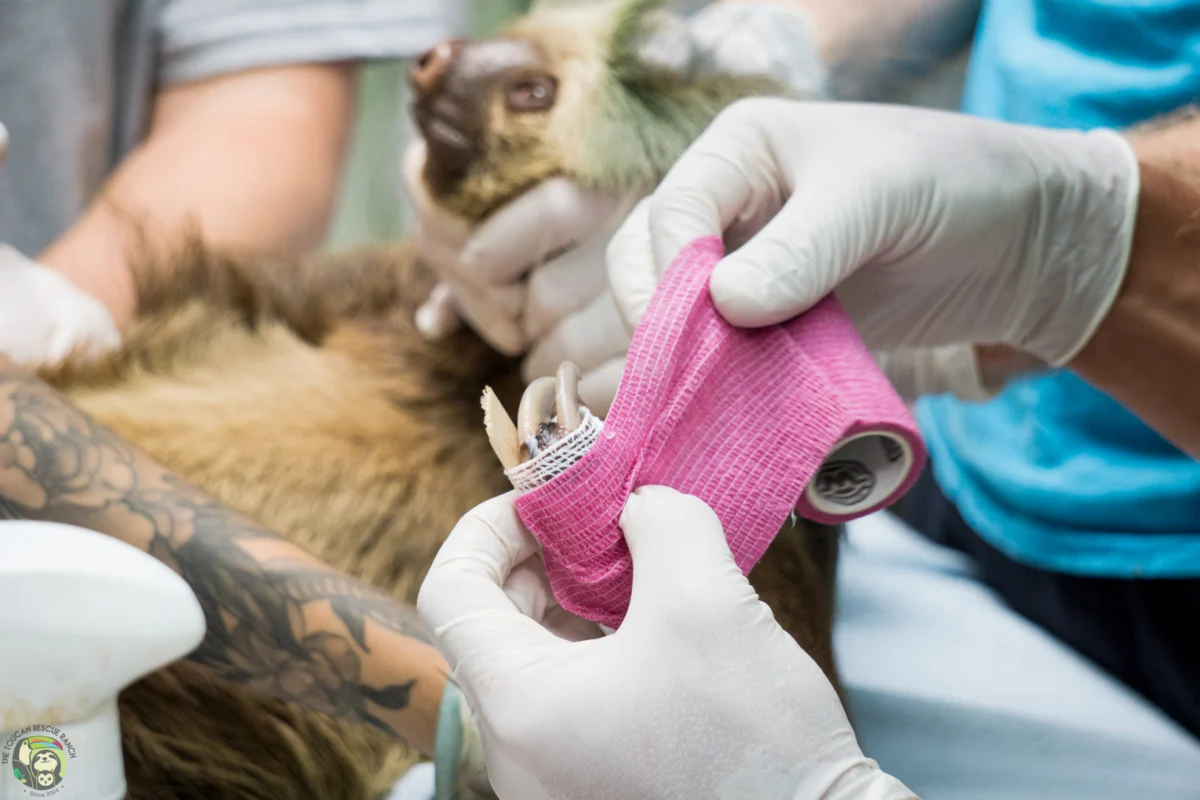
The Toucan Rescue Ranch, a prominent wildlife conservation organization based in Costa Rica, has announced a comprehensive update to its international donation and logistics protocols, aimed at bolstering the rescue, rehabilitation, and eventual release of the nation’s diverse fauna. As an organization dedicated to the welfare of iconic species such as orphaned sloths, injured toucans, and various neotropical mammals, the Toucan Rescue Ranch (TRR) is increasingly relying on a sophisticated network of global donors and specific logistical pathways to bypass the inherent challenges of international shipping to Central America. This initiative underscores the critical intersection between grassroots conservation and the complex supply chains required to maintain modern veterinary standards in a biodiversity hotspot.
The Critical Role of Global Contributions in Costa Rican Conservation
Costa Rica is home to nearly 6% of the world’s biodiversity, making its conservation efforts a matter of international significance. However, the financial and material burden of caring for injured and orphaned wildlife falls heavily on non-governmental organizations like TRR. The organization’s latest outreach highlights a three-tiered approach to resource acquisition, focusing on veterinary supplies, animal care essentials, and administrative infrastructure. By utilizing digital platforms such as Amazon and Cuddly, TRR has created a transparent, real-time inventory of needs that allows donors from around the world to provide direct support.
The "Amazon Wish List" and "Cuddly Wish List" serve as the primary conduits for these contributions. These platforms allow the veterinary team to specify high-priority items, ranging from specialized milk replacers for neonatal sloths to surgical instruments and diagnostic tools. The integration of these e-commerce solutions reflects a growing trend in the non-profit sector where the "digital donor" can see exactly how their contribution manifests as a tangible asset for the facility.
Navigating Logistical Hurdles: The Costa Rican Postal Context
One of the primary drivers for the newly issued guidelines is the systemic challenge posed by international shipping into Costa Rica. The organization has explicitly advised against using standard international postal services, citing a history of unreliability and high rates of package loss within the domestic system. For an organization operating on thin margins where every medical supply is vital, the risk of undelivered packages represents more than just a financial loss; it can result in a delay in life-saving treatments for animals in critical condition.
To mitigate these risks, TRR has established three primary "lifelines" for the transport of goods. The first, and most highly recommended, is the "checked luggage" method. This strategy leverages the constant influx of international interns, volunteers, and eco-tourists who visit the ranch’s headquarters in Heredia or its release sites. By encouraging supporters to transport supplies in their personal luggage, TRR effectively bypasses the bureaucratic and physical hurdles of the Costa Rican customs and postal systems. This method ensures that items arrive exactly when the volunteer does, providing an immediate boost to the facility’s inventory without the overhead of shipping fees.
Strategic U.S. Hub and Professional Courier Alternatives
Recognizing that not all donors are able to travel to Costa Rica, TRR has implemented a strategic partnership with a board member located in Knoxville, Tennessee. This U.S.-based warehouse serves as a temporary staging area for donated items. While the organization notes that shipping to this location does not provide a 100% guarantee of immediate transport to Costa Rica, it allows for the consolidation of goods that can later be ferried by traveling staff or large-scale volunteer groups. This "hub-and-spoke" model is a common tactic for international NGOs operating in regions with restrictive import environments.
For donors who require a more direct and guaranteed shipping route, TRR recommends the exclusive use of DHL. Unlike standard postal services, DHL provides end-to-end tracking and more reliable customs clearance in Costa Rica. However, the organization remains transparent about the high costs associated with this method, maintaining that personal transport remains the most cost-effective way to support their mission.
A Chronology of Growth and Increasing Resource Demand
The need for these streamlined logistics is a direct result of TRR’s rapid expansion over the last two decades. Founded in 2004 by Leslie Howle and Jorge Murillo, the ranch began as a boutique rescue center focusing primarily on toucans. However, the scope of the mission quickly expanded as the Costa Rican Ministry of Environment and Energy (MINAE) began directing more diverse species to the facility.
- 2004-2007: Establishment of initial aviaries and focus on avian rehabilitation.
- 2010: Significant expansion into sloth rescue following the arrival of several high-profile orphaned cases.
- 2017: Opening of the Release Site in Sarapiquí, a vast acreage dedicated to the final stages of rewilding.
- 2020-Present: Modernization of the medical clinic, requiring a steady stream of advanced veterinary consumables and diagnostic equipment.
As the number of animals under care has grown to hundreds at any given time, the "burn rate" of supplies—from syringes and bandages to specialized dietary supplements—has increased exponentially. This growth necessitated a move from ad-hoc donations to the structured priority lists currently in place.
Categorization of Needs: High, Medium, and Low Priority Items
To guide donors effectively, TRR has categorized its needs based on the urgency and impact on animal survival.
High Priority Items: These are largely clinical and nutritional. They include specialized formula for orphaned mammals, which is often unavailable in Costa Rica, as well as antibiotics, wound care supplies, and surgical tools. In the realm of animal husbandry, high-priority items also include specific enrichment tools that prevent psychological distress in animals undergoing long-term rehabilitation.
Medium Priority Items: This category typically encompasses maintenance and administrative tools. It includes items like heavy-duty cleaning supplies, power tools for enclosure repair, and rugged outdoor gear for the release site teams who monitor animals in the rainforest. While not immediately life-saving, these items are essential for the operational longevity of the ranch.
Lower Priority Items: These often consist of office supplies, educational materials for the ranch’s public outreach programs, and general-purpose items that, while useful, are not critical to the daily survival of the wildlife.
Analysis of the Broader Impact and Implications
The logistical strategy employed by the Toucan Rescue Ranch provides a fascinating case study in how small-to-medium NGOs manage the "last mile" of international aid. By leaning on its community of volunteers to act as couriers, TRR turns its human capital into a logistical asset. This not only saves thousands of dollars in shipping and customs duties but also fosters a deeper emotional connection between the volunteer and the mission. A volunteer who carries a suitcase full of medical supplies across borders is more likely to remain a lifelong advocate for the organization.
Furthermore, the tax-deductible status of these donations provides a significant incentive for U.S.-based donors. As a registered 501(c)(3) nonprofit in the United States and a recognized foundation in Costa Rica, TRR offers a dual-layered legal framework that ensures fiscal transparency. This status is crucial for attracting corporate sponsors and high-net-worth individuals who require rigorous documentation for their charitable contributions.
The implications of this program extend beyond the gates of the ranch. By successfully rehabilitating and releasing "keystone species" like toucans and sloths, TRR contributes to the health of the Costa Rican rainforest. Toucans, for instance, are vital seed dispersers; their presence is essential for the natural regeneration of the forest canopy. Thus, a donation of a single bottle of specialized vitamins or a set of surgical clamps has a ripple effect that eventually touches the entire ecosystem.
Official Response and Future Outlook
Representatives from the Toucan Rescue Ranch emphasize that the "TRR family" is not just the staff on the ground in Costa Rica, but a global network of supporters. "Your generosity helps save lives and supports our mission to rescue, rehabilitate, and release," the organization stated in its recent update. The emphasis on community-driven logistics is a testament to the reality of modern conservation: it is no longer enough to have biological expertise; one must also possess the logistical ingenuity to navigate a globalized world.
Looking ahead, TRR aims to further digitize its supply chain management, potentially integrating more local Costa Rican suppliers to reduce the reliance on international shipping. However, for specialized medical equipment and unique dietary needs, the international pipeline remains indispensable. As Costa Rica continues to face environmental pressures from climate change and urban expansion, the role of facilities like the Toucan Rescue Ranch will only become more vital, as will the need for the global community to find creative, efficient ways to support them.
