
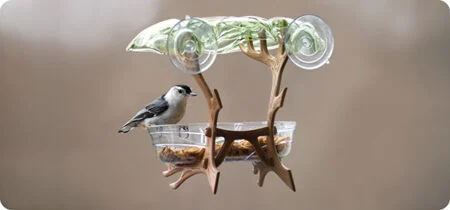
As October brings cooler temperatures, shifting foliage, and an annual cultural preoccupation with Halloween costumes, confectionery, and seasonal folklore, backyard bird enthusiasts are discovering novel ways to integrate the spirit of the holiday into ornithological hobbies. While human trick-or-treaters scour neighborhoods for sweets, wildlife experts, backyard habitat managers, and ornithologists are highlighting how seasonal feeding adjustments, strategic garden modifications, and specialized nutritional offerings can transform suburban yards into thriving avian sanctuaries during the autumn transition.
This intersection of seasonal festivity and wildlife conservation offers a unique lens through which to examine avian behavior, foraging adaptations, and the practical science of backyard bird feeding. Rather than relying on traditional holiday tropes, wildlife organizations and specialized retailers are utilizing the month of October to educate the public on optimizing suburban ecosystems for resident and migratory bird populations as they face the physiological demands of autumn.
Main Facts and Seasonal Context
The autumn season represents a critical period of transition for North American bird species. As photoperiods shorten and natural food sources—such as native insects, wild berries, and seasonal seeds—begin to diminish, birds must significantly alter their foraging strategies. Concurrently, many species are undergoing the metabolic stress of the annual molt, while migratory birds are undertaking arduous journeys spanning hundreds or thousands of miles.
In response to these environmental shifts, wildlife hobbyists frequently adjust their backyard management techniques. Industry experts note that standard daily offerings of mixed seeds and compressed suet blocks, while valuable, can be supplemented with specialized attractants and behavioral "tricks" designed to maximize feeding efficiency. By mimicking natural foraging cues and introducing high-energy specialty foods, property owners can effectively support local biodiversity during a vulnerable time of year.
Strategic "Tricks" of the Trade: Enhancing Backyard Habitats
Ornithological specialists emphasize that attracting a diverse array of bird species to a residential yard requires more than simply filling a standard tube feeder. Effective backyard habitat management relies on replicating the sensory cues that birds utilize in the wild to locate vital resources.
The most potent sensory attractant for wildlife is the sound and movement of fresh water. According to backyard bird feeding specialists, the auditory stimulus of moving water acts as an acoustic beacon for a wide spectrum of species. Incorporating water features equipped with circulating pumps, misters, or drippers significantly increases avian traffic, drawing birds that might otherwise bypass a traditional feeding station in search of natural water sources like streams or puddles.
Furthermore, introducing new feeding stations or unfamiliar food types often presents a behavioral challenge. Birds rely heavily on visual cues to locate sustenance, and novelty in a familiar environment can initially provoke caution or avoidance. A proven field technique to accelerate the discovery process involves scattering a minimal quantity of seed directly on top of or immediately beneath a newly installed feeder. This visual confirmation allows foraging birds to rapidly identify the location of the food source, substantially reducing the acclimation period.

Nutritional "Treats": High-Energy Diets for Autumn Survival
While human Halloween treats are characterized by refined sugars and artificial additives, avian nutritional treats focus on dense, high-calorie, and lipid-rich components essential for energy storage and thermoregulation as temperatures drop.
Among the most extensively documented specialty foods in contemporary bird feeding is spreadable suet, widely recognized through proprietary formulations such as Jim’s Birdacious® Bark Butter®. Developed to mimic the natural rough texture of tree bark where insects and insect larvae hide, this specialty product has been recorded by citizen science initiatives and ornithological observers to attract more than 155 distinct bird species across North America—including numerous arboreal species that rarely patronize traditional hanging or platform feeders. The recommended application method involves smearing the suet directly onto the bark of mature trees or onto the surfaces of active feeding platforms, effectively drawing birds to a natural foraging substrate.
In addition to spreadable suet, shelled and unshelled peanuts serve as a cornerstone of high-energy autumn feeding. Peanuts provide an exceptional concentration of fats and proteins, making them a preferred food source for a broad taxonomic range, including woodpeckers, tufted titmice, nuthatches, chickadees, and bushtits.
Corvids, particularly bluebirds, jays, and scrub-jays, exhibit specialized hoarding behaviors when presented with peanuts in the shell. Field observations indicate these intelligent birds will rapidly empty tray feeders by caching up to 100 peanuts per day. Rather than consuming the food immediately, jays transport the nuts in their throats and bills, flying distances of up to six miles to bury and conceal them in the soil for future retrieval. This scatter-hoarding behavior not only sustains the birds through winter scarcity but also contributes significantly to forest regeneration through forgotten or unrecovered seed caches.
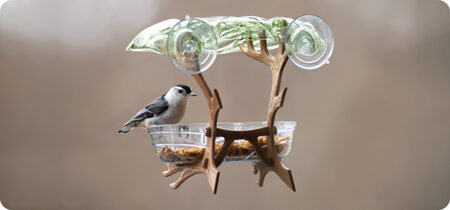
Complementary specialty items further diversify the backyard menu during the autumn transition. Live or dried mealworms supply critical protein for insectivorous species such as bluebirds; seasonal fruits and specialized jellies cater to fruit-eating migrants like orioles; and commercial nectar solutions continue to support late-season hummingbirds navigating their southern migration routes.
Official Responses and Educational Outreach
Organizations dedicated to wildlife education have leveraged the seasonal enthusiasm surrounding autumn holidays to expand public engagement in backyard conservation. Prominent industry leaders, including Wild Birds Unlimited (WBU) Inc.—the largest franchise system of backyard bird feeding and nature specialty stores in the United States and Canada—have integrated these themes into ongoing educational programming.
Through multi-platform communication channels, including specialized audio broadcasts such as the Nature Centered Podcast, wildlife educators emphasize the scientific principles underlying responsible bird feeding. Episodes specifically curated for the autumn season, such as Treats for Birds. No Tricks., provide listeners with empirical data on avian nutrition, habitat design, and the ecological importance of maintaining supplemental feeding stations year-round. Representatives from these organizations stress that backyard feeding is not merely a recreational pastime, but an increasingly vital conservation tool that helps mitigate the ecological fragmentation and habitat loss faced by urban and suburban wildlife.
Broader Impact and Environmental Implications
The growing popularity of specialized backyard feeding reflects a broader cultural shift toward urban conservation and citizen science. As residential developments expand into traditional wildlife corridors, suburban and urban yards increasingly function as critical ecological stepping stones for migratory and resident birds.

Environmental analysts and ornithologists point out that intentional backyard habitat management yields measurable benefits for regional biodiversity. By providing dependable sources of high-energy nutrition, fresh water, and protective cover, property owners help buffer local bird populations against the stressors of climate variability, habitat degradation, and seasonal resource bottlenecks. Furthermore, active participation in backyard bird feeding fosters heightened environmental literacy, encouraging the public to engage in broader conservation initiatives, participate in migratory bird monitoring programs, and advocate for native plant landscaping in residential communities.
Ultimately, the convergence of seasonal folklore and avian ecology highlights a mutually beneficial relationship between humans and local wildlife. By understanding the physiological requirements of birds during the demanding autumn months, hobbyists can transform residential landscapes into vital refuges, ensuring that the transition from summer to winter is marked by ecological resilience rather than scarcity.
