
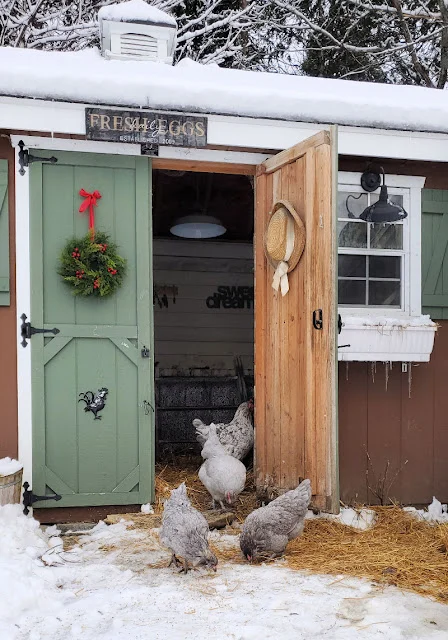
As temperatures drop across the Northern Hemisphere, backyard poultry keepers and small-scale farmers are shifting their operational focus toward winterization strategies. While chickens are biologically more resilient to cold than heat, the winter season presents a distinct set of physiological and environmental challenges that require a proactive management approach. Maintaining a healthy flock during sub-zero temperatures involves more than just providing shelter; it necessitates a comprehensive understanding of poultry metabolism, coop thermodynamics, and behavioral psychology. Expert poultry keepers, including fifth-generation specialists like Lisa Steele, emphasize that a draft-free environment, proper caloric intake, and mental stimulation are the cornerstones of successful winter flock management.
The Biological Resilience of Poultry in Cold Climates
To manage a flock effectively during the winter, it is essential to understand the biological mechanisms chickens use to regulate their body temperature. A chicken’s internal body temperature typically ranges between 105°F and 107°F (40.5°C to 41.7°C). Their primary defense against the cold is their plumage. Feathers act as a highly efficient insulation system; by fluffing their feathers, chickens create air pockets that trap body heat close to the skin.

However, this natural insulation is only effective if the birds remain dry and the environment is managed to prevent excessive heat loss. Unlike humans, chickens do not have sweat glands. They dissipate heat through their combs, wattles, and respiratory systems. In winter, these extremities—particularly large combs—are susceptible to frostbite if the coop environment becomes too humid. Therefore, the objective of winter care is not necessarily to "heat" the coop to human comfort levels, but to provide the conditions necessary for the birds’ natural biology to function optimally.
Strategic Timeline for Winter Preparation
Preparation for the winter months should ideally begin in late autumn, well before the first hard frost. This chronological approach ensures that the infrastructure is sound and the birds have transitioned their diets before environmental stress peaks.
Phase 1: Late Autumn Infrastructure Audit
During October and November, keepers should conduct a thorough inspection of the coop. This includes checking for leaks in the roof and ensuring the structure is predator-proof. As natural food sources for wild animals become scarce in winter, predators like raccoons, foxes, and weasels become more desperate and persistent. Any gaps larger than half an inch should be sealed with hardware cloth.

Phase 2: Implementing the Deep Litter Method
One of the most effective natural heating strategies is the "Deep Litter Method." This involves allowing manure and bedding material to accumulate and decompose inside the coop throughout the winter. As the organic matter breaks down, it creates a modest amount of heat through the composting process. When managed correctly with high-carbon materials like pine shavings or dried leaves, this method can raise the ambient temperature of the coop by several degrees and provide beneficial microbes that support flock health.
Phase 3: Ventilation and Moisture Control
A common mistake among novice keepers is sealing the coop too tightly in an attempt to trap heat. Experts warn that moisture is a far greater threat than cold. Ammonia fumes from droppings and moisture from the birds’ breath can lead to respiratory infections and increase the risk of frostbite. Proper ventilation should be located near the roofline, well above the height of the roosting birds, to allow moist air to escape without creating a direct draft on the flock.
Nutritional Requirements and Metabolic Demands
The metabolic rate of a chicken increases significantly during cold weather as the bird burns more energy to maintain its core body temperature. Consequently, nutritional management must be adjusted to account for this caloric deficit.

Caloric Enrichment
While a high-quality layer feed should remain the staple of the diet, supplemental feeding becomes crucial in winter. Providing cracked corn or scratch grains shortly before dusk is a widely recommended practice. The process of digesting these complex carbohydrates generates internal body heat, helping the birds stay warm through the long winter nights.
Hydration Management
Access to liquid water is the most critical and often most difficult aspect of winter poultry care. Chickens cannot eat snow or ice in sufficient quantities to remain hydrated, and dehydration can lead to a rapid decline in health and a total cessation of egg production. Agricultural data suggests that a chicken’s water consumption can drop by 50% if the water is near freezing, which negatively impacts digestion and egg formation. Many keepers utilize heated poultry waterers or "cookie tin" heaters to ensure a constant supply of fresh, liquid water.
Behavioral Management: Mitigating "Coop Fever"
Winter often results in birds spending more time confined to the coop or a covered run to avoid snow and wind. This confinement can lead to "coop fever," a condition where boredom results in aggressive behaviors such as feather pecking, bullying, and egg eating.

To mitigate these issues, enrichment is necessary. Providing "flock blocks," hanging heads of cabbage for the birds to peck at, or adding mirrors to the coop can provide the mental stimulation needed to maintain social harmony. Furthermore, creating a "winter sunroom" by wrapping a portion of the outdoor run in clear plastic can provide a wind-free area where birds can still receive natural Vitamin D from sunlight, which is essential for calcium absorption and overall immune function.
The Economics and Biology of Winter Egg Production
One of the primary concerns for poultry owners is the significant decrease in egg production during the winter months. This is a biological response to the reduction in daylight hours. A hen’s pituitary gland requires approximately 14 to 16 hours of light to trigger the ovulation cycle.
The Supplemental Lighting Debate
There are two primary schools of thought regarding supplemental lighting in the coop. Some keepers choose to add artificial light to maintain high production levels throughout the winter. However, professional veterinary advice often suggests allowing the birds a natural break. Constant production without a seasonal rest can lead to reproductive exhaustion and a shorter overall lifespan for the hen. From a journalistic perspective, the trend in backyard homesteading has shifted toward "natural" cycles, where keepers accept fewer eggs in exchange for improved long-term bird welfare.

Egg Collection Challenges
In extreme cold, eggs can freeze and crack shortly after being laid. Data indicates that an egg can freeze at temperatures below 28°F. To prevent loss, keepers must increase the frequency of egg collection or utilize insulated nesting boxes.
Risk Analysis: Frostbite and Respiratory Health
The two most prevalent health risks in winter are frostbite and respiratory disease. Frostbite typically affects the tips of the combs and wattles, particularly in breeds with large, single combs like Leghorns. While not always fatal, it is painful and can lead to secondary infections. Applying a thick layer of petroleum jelly to combs can provide a temporary barrier against moisture and cold.
Respiratory health is closely tied to air quality. If a keeper can smell ammonia upon entering the coop, the ventilation is inadequate. Ammonia is a caustic gas that can damage the delicate lining of a chicken’s respiratory tract, making them more susceptible to viral and bacterial pneumonia. Maintaining a dry environment is the most effective preventative measure against these conditions.

Broader Implications for Small-Scale Agriculture
The management of backyard flocks during winter is a microcosm of larger challenges facing small-scale sustainable agriculture. As more households turn to backyard poultry for food security, the demand for cold-hardy breeds and specialized winter equipment has surged. Breeds such as Orpingtons, Rhode Island Reds, and Wyandottes—characterized by heavy feathering and small combs—are increasingly favored in northern climates.
The resilience of these small-scale systems depends heavily on the education of the keeper. Unlike industrial poultry operations that use climate-controlled housing, backyard keepers must rely on traditional "old-timer" methods combined with modern understanding of avian physiology. This synthesis of knowledge ensures that animal welfare remains a priority even in the harshest environmental conditions.
Conclusion
Successfully overwintering a chicken flock is a test of both infrastructure and observation. By focusing on the fundamentals—keeping the birds dry, draft-free, well-fed, and hydrated—keepers can ensure their flock survives the winter in peak condition. The transition from autumn to winter requires a shift from a maintenance mindset to a protective one, where the environment is managed to support the birds’ natural hardiness. As expert Lisa Steele notes, the goal is to work with the chicken’s biology rather than against it, providing a safe harbor against the elements while respecting the natural rhythms of the seasons. This holistic approach not only preserves the health of the individual birds but also ensures the long-term sustainability and productivity of the backyard homestead.
