

Wetlands International expresses profound solidarity with the millions of Filipino families grappling with the severe repercussions of the ongoing energy crisis, exacerbated by the geopolitical tensions stemming from the US-Iran war. The organization recognizes the immense hardship this situation has imposed on communities nationwide and stands firmly with them in advocating for immediate, long-term, and sustainable energy solutions. A central tenet of this advocacy is a robust investment in renewable energy sources, which Wetlands International posits as the most viable pathway to ensuring national energy security without jeopardizing the Philippines’ invaluable natural heritage.
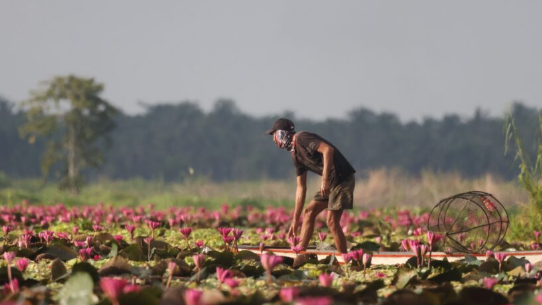
In response to the declaration of a State of National Energy Emergency under Executive Order 110, Wetlands International urges the Philippine government to accelerate and prioritize its decisive transition towards renewable energy. This call to action is underscored by a deep-seated concern regarding renewed efforts to pursue oil and gas exploration within the Liguasan Marsh. Situated in south-central Mindanao, the Liguasan Marsh represents the largest swamp and marsh area in the Philippines and is recognized as one of the nation’s most critical and biodiverse wetland ecosystems. While acknowledging the paramount importance of addressing the immediate energy crisis, Wetlands International stresses that the ecological fragility of the Liguasan Marsh necessitates the utmost level of environmental scrutiny and consideration before any resource extraction activities are contemplated.
The Liguasan Marsh: A Vital Lifeline Under Threat
Dr. Annadel Cabanban, Country Director of Wetlands International Philippines, articulated the organization’s perspective, stating, "The Liguasan Marsh is not just a wetland—it is a lifeline for communities, wildlife, and our climate resilience. We cannot afford to damage an ecosystem that safeguards us from floods, supports fisheries, and stores vast amounts of carbon. A truly secure energy future is one that strengthens, not sacrifices, the natural systems that protect Filipino lives."
This statement highlights the multifaceted importance of the Liguasan Marsh. Beyond its intrinsic ecological value, it serves as a crucial natural buffer against the impacts of climate change, particularly in a nation highly vulnerable to extreme weather events. The marsh’s ability to mitigate flooding, sustain vital fisheries that form the backbone of local economies, and act as a significant carbon sink are services that are increasingly critical in the face of a warming planet. The potential disruption of these functions through oil and gas exploration could have devastating and far-reaching consequences.
Background and Context: The Escalating Energy Crisis
The current energy crisis gripping the Philippines is a complex issue with multiple contributing factors, but the recent escalation of geopolitical tensions between the United States and Iran has undeniably amplified the volatility of global energy markets. As a net importer of oil and gas, the Philippines is particularly susceptible to price shocks and supply disruptions caused by international conflicts. The declaration of a State of National Energy Emergency reflects the gravity of the situation, with rising energy costs directly impacting households, businesses, and the overall economy.
Chronology of Key Developments:
- Early 2026: Pre-existing vulnerabilities in the Philippine energy sector were amplified by increasing global geopolitical instability.
- March 2026: The US-Iran conflict intensifies, leading to significant disruptions in global oil and gas supply chains and a sharp increase in international energy prices.
- Early April 2026: The Philippines experiences unprecedented spikes in fuel and electricity costs, triggering widespread public concern and economic strain.
- April 12, 2026: The Philippine government declares a State of National Energy Emergency under Executive Order 110 to address the escalating crisis, signaling a need for urgent and decisive action.
- April 14, 2026: Wetlands International issues its statement, expressing solidarity and advocating for a rapid transition to renewable energy, while also raising concerns about potential oil and gas exploration in the Liguasan Marsh.
The Perils of Fossil Fuel Exploration in Fragile Ecosystems
Wetlands International’s apprehension regarding oil and gas exploration in the Liguasan Marsh stems from a well-documented understanding of the environmental risks associated with such activities. The organization emphasizes that while immediate actions are necessary to stabilize the energy sector, any pursuit of natural resource exploitation must be preceded by comprehensive environmental impact assessments and meaningful consultations with scientific and environmental experts. The inherent vulnerability of freshwater and coastal wetlands means they should never be sacrificed for short-term economic gains.
The Liguasan Marsh is not merely a tract of undeveloped land; it is an irreplaceable ecological system. The potential consequences of unregulated extraction are dire and include:
- Water Source Contamination: Drilling, pipeline construction, and potential spills can lead to the contamination of vital freshwater sources relied upon by both human populations and wildlife.
- Increased Flooding: The alteration of marshland hydrology through infrastructure development can disrupt natural flood control mechanisms, exacerbating flood risks for surrounding communities.
- Loss of Biodiversity: Wetland ecosystems are biodiversity hotspots. Habitat destruction, pollution, and noise associated with exploration activities can lead to the decline and potential extinction of numerous plant and animal species.
- Carbon Emissions from Ecosystem Disturbance: Wetlands are significant carbon sinks. Disturbing these ecosystems during exploration and extraction releases stored carbon dioxide and methane into the atmosphere, further contributing to climate change.
- Threats to Livelihoods and Cultural Heritage: The Liguasan Marsh supports the livelihoods of local communities through fishing, agriculture, and the harvesting of natural resources. Environmental degradation can devastate these economic activities and erode the cultural heritage intrinsically linked to the marsh.
Broader Implications: A Threat to National Resilience
The risks associated with unregulated resource extraction in the Liguasan Marsh extend beyond this specific site, potentially jeopardizing the entirety of the Philippines’ wetland and forest ecosystems. The degradation of these natural systems has profound implications for the essential services they provide to communities. These services include:
- Clean Water Supply: Wetlands play a critical role in filtering and purifying water.
- Food Security: They support fisheries and agricultural productivity.
- Coastal Protection: Mangroves and other coastal wetlands act as natural barriers against storm surges and erosion.
- Biodiversity Support: They provide habitats for a vast array of species.
Furthermore, the climate dimension of this issue cannot be overstated. As highlighted by Wetlands International, the destruction of these vital ecosystems directly undermines the Philippines’ climate commitments by releasing stored carbon into the atmosphere, thereby intensifying the very climate impacts the nation is striving to mitigate. These are not abstract concerns; they translate directly into tangible threats to the safety, livelihoods, and long-term well-being of Filipino citizens.
A Call for a Just and Rapid Energy Transition
Wetlands International advocates for a development path that is both responsible and sustainable, one that meticulously safeguards ecosystems, upholds climate obligations, and secures the well-being of current and future generations. In this critical juncture, the organization implores the Philippine government to prioritize investments in renewable energy, championing a just and rapid energy transition. The continued reliance on fossil fuel extraction, particularly in ecologically sensitive areas, is deemed an unsustainable and climate-resilient approach.

The Philippines has the opportunity to learn from the successes of its neighboring Southeast Asian nations in advancing renewable energy. Countries like Vietnam have demonstrated rapid solar expansion, Indonesia has made strides in developing renewable microgrids, Thailand has implemented community-based biomass systems, and Malaysia has successfully conducted competitive solar auctions. These examples collectively illustrate that energy security and environmental protection are not mutually exclusive goals but can, in fact, advance in tandem.
The Wetlands-Energy Nexus: A Crucial Link
Dr. Cabanban further elaborated on the intrinsic connection between energy policy and wetland conservation: "Moving away from fossil fuels is not only an energy decision—it is a wetlands decision. Every wetland we protect strengthens our resilience against floods, droughts, and climate impacts that fossil fuels continue to worsen. By reducing our reliance on oil and investing in renewable energy, we allow vital wetlands like the Liguasan Marsh to keep doing what they do best: protect communities, sustain biodiversity, and stabilize our climate."
This perspective underscores a fundamental principle: the health of wetlands is directly proportional to the resilience of communities against climate change. By transitioning away from fossil fuels, which are major drivers of climate change, the Philippines can simultaneously reduce its contribution to global warming and enhance its capacity to withstand its impacts. Wetlands, in this context, are not merely ecological assets but critical infrastructure for climate adaptation and mitigation.
Towards a Resilient and Sustainable Future
Wetlands International Philippines affirms its readiness to collaborate with government agencies, civil society partners, and scientific institutions. The organization is committed to assisting in the formulation of a long-term, future-oriented energy strategy that prioritizes the safeguarding of wetlands, upholds the principles of scientific and community consultation, and aligns with national and international climate commitments. Such a strategy would lay the groundwork for a resilient and sustainable energy transition that is firmly rooted in sound science and the welfare of the Filipino people.
The current energy crisis presents a pivotal moment for the Philippines. It offers an opportunity to forge a future where energy security is inextricably linked with environmental protection, enhanced climate resilience, and the inherent dignity and well-being of all Filipinos. By embracing renewable energy and protecting vital ecosystems like the Liguasan Marsh, the nation can build a more sustainable and secure future for generations to come. The path forward requires a clear vision, decisive action, and a steadfast commitment to principles that balance immediate needs with long-term planetary health and human prosperity.
