

Nairobi, Kenya – May 26, 2026 – A pivotal workshop convened last week in Kenya, bringing together a diverse coalition of mangrove practitioners, community leaders, youth advocates, technical experts, government representatives, and non-governmental organizations. The inaugural Kenya Mangrove Champions Initiative workshop, jointly hosted by Wetlands International and the Global Mangrove Alliance in Kenya, signifies a crucial step towards bolstering mangrove restoration efforts by empowering local leadership through science-informed and community-driven methodologies. This initiative arrives at a time of escalating global commitment and investment in mangrove restoration, underscoring the urgent necessity for interconnected communities that can foster mutual learning and accelerate the adoption of effective, context-specific mangrove restoration practices.
The urgency for such an initiative is amplified by the critical role mangroves play in coastal ecosystems. These vital intertidal forests are recognized as potent natural defenses against coastal erosion and storm surges, offering invaluable protection to vulnerable communities. Furthermore, they serve as critical carbon sinks, sequestering atmospheric carbon dioxide at rates significantly higher than many terrestrial forests, thus playing a crucial role in climate change mitigation. Their biodiversity value is immense, providing essential nurseries and habitats for a vast array of marine life, supporting fisheries that are vital for local economies and food security. Despite their ecological and economic importance, mangrove ecosystems globally have faced severe degradation due to factors such as coastal development, aquaculture expansion, pollution, and unsustainable resource extraction. According to the Global Mangrove Alliance, an estimated 35% of the world’s mangroves have been lost in the last 40 years, a statistic that highlights the critical need for accelerated and effective conservation and restoration efforts.
Forging a Network of Expertise and Local Insight
The core objective of the Mangrove Champions Initiative is to cultivate a cohesive network of practitioners capable of moving beyond conventional, often fragmented, and short-term restoration projects towards more sustainable and community-centric endeavors. Recognizing that each mangrove landscape possesses unique ecological, social, economic, and cultural characteristics, the initiative champions the development of restoration approaches precisely tailored to these local realities. Participants at the workshop strongly emphasized that successful mangrove restoration cannot be divorced from the livelihoods, cultural identities, and governance structures of the local communities that depend on them.
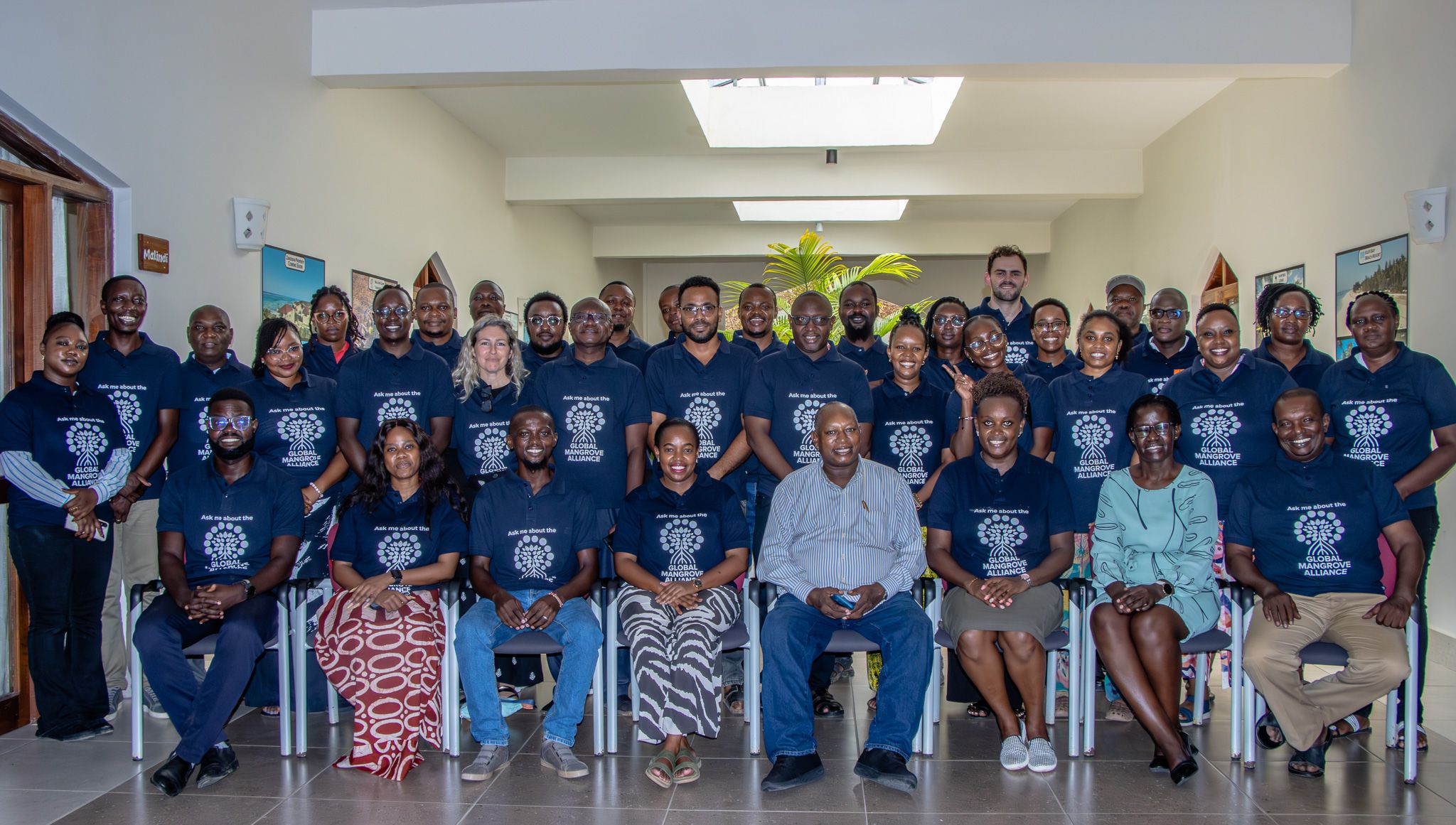
Central to the initiative’s philosophy is the identification and empowerment of local change-makers – the "Mangrove Champions" – who are already spearheading conservation and restoration efforts within their respective regions. Their invaluable lived experiences, combined with robust scientific and technical knowledge, are deemed indispensable for designing restoration strategies that are both efficacious and enduring. The challenge, and simultaneously the profound opportunity, lies in harmonizing these diverse elements to achieve lasting and impactful outcomes.
The Global Mangrove Alliance operates national chapters worldwide, including a significant presence in Kenya, dedicated to advancing effective mangrove conservation and restoration at the national level. Through the Mangrove Champions Initiative, these chapters, commencing with Kenya, are now actively bringing together a broad spectrum of stakeholders. This collaborative approach aims to facilitate shared learning and the widespread implementation of best practices in mangrove restoration. By fostering this interconnected network of practitioners across various sites, the initiative is building a community committed to continuous learning, robust collaboration, and action firmly rooted in local contexts.
Elena Roddom of Wetlands International commented on the workshop’s success, stating, "This experience was incredibly valuable. All participants were deeply committed and eager to learn from one another. There was a palpable sense of comfort in sharing local experiences and expertise. Consequently, established mangrove restoration experts, researchers, and government officials gained insights from young mangrove champions and community leaders who are pioneering experimental approaches in the field, and vice versa." This reciprocal exchange of knowledge is fundamental to the initiative’s success, ensuring that innovation is informed by both scientific rigor and ground-level realities.
On-the-Ground Learning Through Restoration Expeditions
A cornerstone of the Mangrove Champions Initiative is the organization of locally grounded mangrove restoration expeditions. These immersive, field-based learning experiences are designed to bridge the gap between theoretical knowledge and practical application. The first such expedition is scheduled to take place imminently in Kwale County, a coastal region situated near the bustling port city of Mombasa.

These expeditions will convene Mangrove Champions, technical experts, representatives from NGOs, and government implementation agencies, including the Kenya Forest Service. The expeditions will be conducted at active restoration sites where members of the Global Mangrove Alliance Kenya are already engaged in mangrove rehabilitation efforts. The "classroom in the field" approach is intended to create highly participatory and immersive learning environments, fostering an atmosphere where participants feel empowered to openly discuss challenges, uncertainties, and lessons learned.
Participants will engage in collective analysis of ecological conditions, evaluate various restoration methodologies, and dissect implementation challenges directly within the landscapes where restoration is underway. A critical component will involve exploring strategies for respectful and effective engagement with local communities. This includes a joint reflection on local realities, encompassing power dynamics, community priorities and traditional knowledge, prevailing governance contexts, and the overarching importance of engaging stakeholders beyond the immediate village leadership to ensure holistic and sustainable outcomes.
The expeditions are strategically designed not only to strengthen ongoing and future mangrove restoration projects in Kenya but also to contribute to broader systemic changes that enhance the impact of mangrove restoration at scale. Consequently, these expeditions transcend mere knowledge exchange; they are geared towards fostering behavioral shifts across the restoration sector by elevating the quality of restoration practices, promoting collaborative learning, and embedding field-informed decision-making into the restoration process. This hands-on approach is crucial for translating global restoration goals into tangible local impacts.
The Genesis of a Scalable Global Effort
Throughout the workshop, participants consistently underscored the paramount importance of continuous reflection and cross-learning, not only between different projects but also across countries. Key questions that emerged revolved around effective methodologies for gathering meaningful data in contexts where baseline information may be scarce, how insights gleaned from one expedition can inform another, and how compelling storytelling can contribute to a broader narrative of impact without sacrificing the nuanced realities of local contexts.

The Kenya workshop represents the foundational phase of a more ambitious undertaking to expand the Mangrove Champions Initiative to other countries and critical mangrove landscapes globally. The initiative aims to cultivate a globally interconnected yet profoundly locally grounded community of practice. In this ecosystem, restoration knowledge will flow seamlessly across diverse landscapes, and the trajectory of mangrove restoration will be shaped equally by local experience and leadership as it is by scientific advancements and global aspirations.
The economic implications of effective mangrove restoration are substantial. Healthy mangrove ecosystems support vibrant coastal economies by sustaining fisheries, providing livelihoods through ecotourism, and protecting valuable coastal infrastructure from erosion and storm damage. For instance, studies have indicated that the economic value of mangroves in terms of coastal protection alone can range from hundreds to thousands of dollars per hectare per year. By investing in locally led restoration, the initiative not only addresses environmental concerns but also contributes to long-term economic resilience and sustainable development for coastal communities.
The youth involvement, specifically through the "youth mangrove champions," is a strategic element. Empowering young people ensures the long-term sustainability of conservation efforts by fostering a new generation of environmental stewards and leaders. Their innovative perspectives and energy are crucial for driving change and adapting restoration strategies to evolving environmental and social landscapes. Furthermore, their engagement can help bridge generational knowledge gaps and foster a sense of ownership and responsibility for mangrove conservation within their communities.
Looking ahead, the success of the Kenya Mangrove Champions Initiative will likely serve as a blueprint for similar programs in other mangrove-rich nations. The emphasis on integrating traditional ecological knowledge with scientific expertise is a critical factor for achieving culturally sensitive and effective conservation outcomes. As global efforts to restore these vital ecosystems gain momentum, initiatives like this, which prioritize local agency and collaborative learning, are poised to make a significant difference in safeguarding these invaluable natural assets for future generations. The interconnectedness fostered by this initiative promises to accelerate learning, amplify impact, and ensure that mangrove restoration is a truly global, yet deeply local, endeavor.
