

The Metabolic Mechanics of Avian Endurance
To understand the necessity of high-fat supplements like peanuts, one must first examine the metabolic processes of the racing pigeon. Traditionally, the staple diet of these birds consists of grains such as maize, wheat, and peas. These components are primarily composed of carbohydrates. Upon ingestion, the pigeon’s digestive system converts these carbohydrates into animal proteins and glycogen, which are then stored in the liver and muscle tissues.
During a race, glycogen serves as the primary fuel source. The combustion of one gram of glycogen yields approximately 4.1 calories of energy. While this is sufficient for short bursts of activity or sprint races, it poses a significant risk during marathon events. When a pigeon’s "glycogen tank" is depleted before it reaches the loft, the bird’s physiology undergoes a desperate shift: it begins to metabolize its own body proteins. Because protein also yields 4.1 calories per gram, the bird effectively begins to consume its own muscle mass to stay airborne. In extreme cases, birds return to their lofts in a state of severe emaciation—described by fanciers as "nothing but feathers and bones."
The introduction of fats into the diet provides a far more efficient energy source. Lipids provide 9.3 calories per gram, which is approximately 2.33 times the energy density of carbohydrates or proteins. By loading a bird with high-fat feed prior to basketing, a fancier provides a "high-octane" fuel that preserves muscle mass, allowing the bird to return in excellent physical condition even after grueling flights.
Nutritional Profiles: Comparing Seed and Grain Efficiency
The shift toward lipid-based energy has led to the inclusion of various oil-rich seeds in racing mixtures. Fanciers often adjust the ratios of these seeds based on the difficulty of the upcoming race and the stage of the season.
| Seed Type | Fat Content | Primary Benefit |
|---|---|---|
| Maize | 4% | Standard carbohydrate base |
| Rolled Oats | 7% | Easily digestible energy |
| Sunflower | 28% | High lipid content for endurance |
| Hempseed | 32% | Excellent protein/fat balance |
| Linseed | 34% | High in Omega fatty acids |
| Rapeseed | 42% | Maximum fat density |
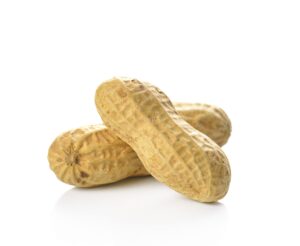
| Peanuts | ~48-50% | Premium fuel and high protein (30%) |
While seeds like rapeseed and sunflower are effective, the peanut is increasingly viewed as the "first-class fuel" for racing engines. Beyond its fat content, the peanut contains 30% protein, second only to the soybean in vegetable protein density. This dual-purpose profile makes it an ideal supplement for both the racing season and the breeding period.

Historical Context and Scientific Validation
The use of high-fat diets in pigeon racing is not merely anecdotal. Researchers in the United Kingdom have conducted extensive studies demonstrating that diets supplemented with lipids—specifically those mixed with 5% corn oil—result in measurable improvements in flight performance and recovery times.
Historically, the efficacy of a peanut-centric diet was famously demonstrated in the post-World War II era. In Hamburg, Germany, a laborer named Eduard Pape utilized his access to the local port, where peanuts were unloaded for oil mills, to feed his pigeons. Despite the scarcity of traditional grains at the time, Pape’s birds achieved extraordinary racing results. By feeding restricted portions of peanuts, he found that his birds maintained superior condition and outperformed those on standard rations, particularly during difficult, long-distance events. This historical case study underscored the fact that 5.7 grams of peanuts provide the energy equivalent of 10 grams of a standard grain mixture.
Practical Application in Loft Management
Modern experts, such as Dr. Meyer, have refined the application of peanut feeding into a comprehensive management system that addresses both the physical and psychological needs of the birds.
Strategic Feeding for Social Bonding
One of the most significant advantages of using peanuts is their palatability. Pigeons quickly develop a preference for them, allowing the fancier to use the nuts as a tool for taming. This bond is more than sentimental; a tame, calm bird is easier to manage and less prone to stress-induced performance drops. Fanciers are encouraged to keep a handful of peanuts in their pockets, using them to encourage birds to eat from the hand. This practice is particularly effective for trapping—getting birds to enter the loft quickly upon returning from a race—which can be the difference between winning and losing.
Breeding and Development
The nutritional profile of the peanut closely mirrors that of "crop milk," the substance produced by parents to feed their young. Between the 6th and 12th day of a youngster’s life, as they transition from mush to solid feed, the addition of 5 to 10 grams of crushed peanuts can significantly boost growth rates and vitality. Dr. Meyer recommends breaking the nuts into three or four pieces to ensure that all birds, including the less aggressive but potentially more talented racers, receive an equal share.
The Widower and Widowhood System
In the competitive widowhood system, peanuts serve as a powerful motivational tool. For widowers (male racers), the promise of peanuts in their individual nest boxes increases their "love of the box," making them more eager to return home.
For racing widowhood hens, the management of peanut intake is even more nuanced. These hens must be fed enough to maintain energy reserves but not so much that they become overly hormonal. Expert management involves increasing peanut rations on the evening before and the day of basketing. This ensures that even if a hen is slightly underweight, she possesses the concentrated energy reserves necessary for the race. This method has been shown to prevent "lesbian activity" (hens pairing with each other) and premature egg-laying, which can end a hen’s racing season.
Tactical Nutrition: Adjusting for Weather and Distance
A professional approach to pigeon racing requires the fancier to act as a tactician, adjusting the diet based on meteorological forecasts. The energy requirements of a flight change drastically depending on wind direction and speed.
- Headwinds: When a race forecast predicts strong headwinds, the energy expenditure per mile increases significantly. In these instances, fanciers provide an extra portion of peanuts in the days leading up to the race. This "pre-loading" ensures the bird has enough lipid reserves to sustain a longer time in the air without catabolizing muscle tissue.
- Tailwinds: Conversely, during tailwind conditions, the birds require less energy as the wind assists their flight. In these cases, peanuts are fed sparingly to prevent the birds from becoming too heavy or "over-fueled," which can lead to a lack of focus.
- Extended Basketing: For races where birds spend two nights in the transport baskets, a hybrid feeding strategy is employed. Grains high in carbohydrates are fed in the morning to provide immediate energy, followed by a large portion of peanuts in the afternoon. This ensures the birds are effectively "eating for two days" due to the high caloric density of the nuts.
Implications for the Future of the Sport
The move toward specialized nutrition reflects a broader trend in the pigeon racing community toward scientific loft management. As understanding of avian physiology deepens, the reliance on traditional "all-purpose" mixes is being replaced by targeted supplementation.
The implications of this shift are twofold. First, it improves the welfare of the birds. By preventing the physical "burnout" associated with protein metabolism, fanciers can extend the racing careers of their birds and ensure they remain healthy throughout the season. Second, it raises the bar for competition. When all participants have access to high-quality lipids and understand the timing of their delivery, the margin for error decreases, and the importance of genetics and training becomes even more pronounced.
While peanuts are a more expensive input than maize or wheat, the return on investment is seen in the recovery speed of the birds. A bird that returns "round and in condition" can often be raced again much sooner than a bird that has lost significant body mass. In the high-stakes environment of modern racing, where consistency is the key to championship titles, the peanut has transitioned from a simple treat to an indispensable tool for the elite fancier.
