

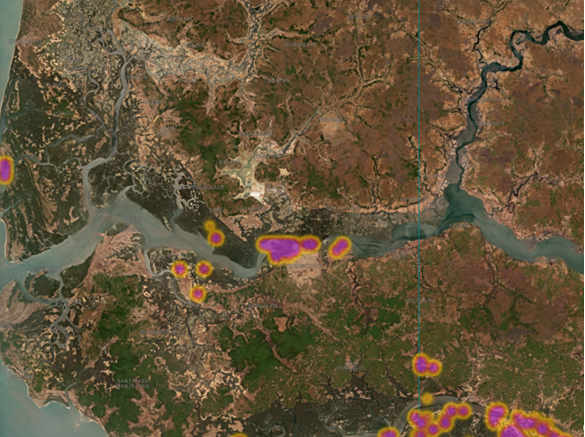
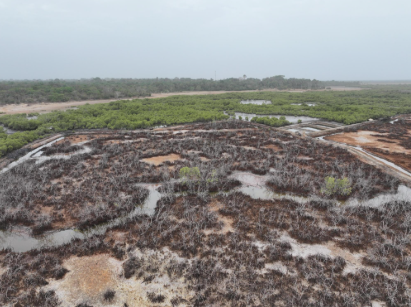
In the remote village of Séleki, nestled deep within Senegal’s verdant Casamance region, a silent crisis was unfolding. Mangrove forests, vital coastal ecosystems, were succumbing to an insidious threat. Unlike the visible destruction wrought by logging, this degradation stemmed from a less apparent, yet equally damaging, source. It was through the innovative alert functionality of Global Mangrove Watch (GMW), a sophisticated online platform, that local conservationists, Boubacar Sagna and Khadim Diop, were first alerted to a significant loss of approximately two hectares of mangrove cover. This digital warning triggered a swift response, mobilizing them alongside Capitaine Agustin Sadio, an officer from the Marine Protected Area (MPA) service. Their subsequent investigation at the site revealed the culprit: strategically constructed dikes, which were inadvertently suffocating the vital mangrove ecosystem.
The Indispensable Role of Casamance Mangroves
The mangroves of the Casamance are far more than mere coastal vegetation; they are ecological powerhouses and economic linchpins for the local communities. These intricate root systems act as natural bulwarks, providing an essential buffer against the relentless forces of coastal erosion, flooding, and the encroaching threat of sea-level rise. Beyond their protective functions, these vibrant ecosystems are a rich source of livelihood, yielding valuable resources such as fish, shellfish, and honey, which form the bedrock of the region’s economy and food security.
However, these invaluable natural assets are perpetually under siege. They face a dual assault from both direct human activities and the inexorable shifts of natural environmental processes. Recognizing the urgency and the existing challenges, conservationists have been actively seeking and developing solutions for mangrove restoration. The critical prerequisite for implementing these restorative measures, however, is precise, up-to-date information on where degradation is occurring. The sheer vastness of the Marine Protected Areas in the Casamance region presents an immense logistical challenge; a small team of rangers simply cannot effectively patrol and monitor these extensive territories on foot or by boat alone.
This is precisely where the groundbreaking capabilities of Global Mangrove Watch come into play. The platform leverages advanced remote sensing technology, transforming satellite imagery into actionable intelligence. By providing high-resolution data on mangrove loss, GMW equips MPA managers, conservationists, policymakers, and on-the-ground practitioners with the irrefutable evidence needed to respond decisively. This evidence allows them to identify and address illegal logging activities, pinpoint the specific causes of local mangrove degradation, and meticulously track the progress of restoration efforts, ensuring that limited resources are deployed with maximum impact.
Rooted Resilience: Empowering Local Action Through Technology
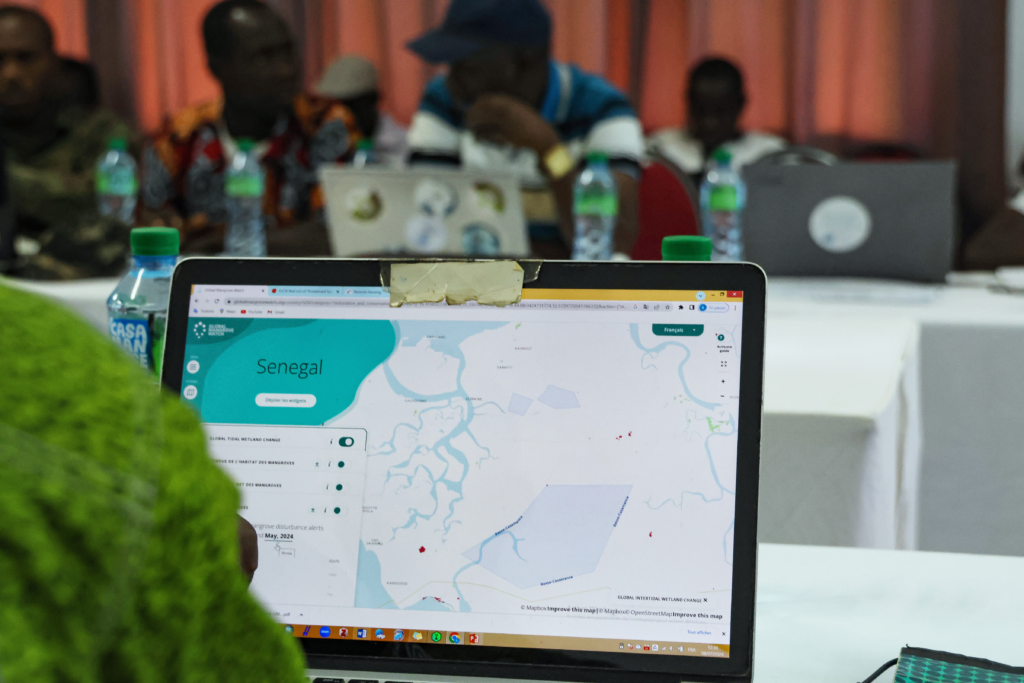
Under the auspices of Wetlands International’s “Rooted Resilience” project, generously supported by The Swedish Postcode Lottery Foundation, a comprehensive training initiative was conducted in the Casamance. This program specifically targeted various stakeholders, including local authorities and students, imparting the skills necessary to effectively utilize the Global Mangrove Watch platform. The outcome has been a significant enhancement in the capacity of local rangers, enabling them to monitor their entire designated areas with unprecedented efficiency. This technological empowerment allows them to strategically allocate their time and resources towards more direct engagement with local communities, fostering collaborative conservation efforts and ensuring the long-term health of mangrove ecosystems.
The Séleki Story: From Aquaculture Dikes to Sustainable Livelihoods
The case of Séleki provides a poignant illustration of how GMW alerts can initiate crucial interventions. Situated within the UKB Marine Protected Area (Ufoyaal Kassa-Bandial), the identified mangrove loss was directly attributable to the construction of dikes. These structures had been erected to create ponds for aquaculture development. While seemingly a logical economic pursuit, the dikes served to obstruct the natural flow of brackish water, a critical element for mangrove survival. Over time, deprived of the essential tidal rhythm that sustains them, the mangrove forests began a slow, irreversible decline.
The implications of this degradation extend far beyond the immediate loss of vegetation. The disruption of the natural water flow impacts the entire coastal ecosystem, affecting fish nurseries, biodiversity, and the natural defense mechanisms against storm surges. Wetlands International Afrique, recognizing the interconnectedness of environmental health and human well-being, has taken a proactive role in mediating discussions. They are facilitating a crucial exchange between the Séleki community, the National Aquaculture Agency, and the owner of the dikes. The objective is to collaboratively develop alternative, sustainable livelihood strategies that do not necessitate the obstruction of vital tidal flows.
This collaborative approach is focused on exploring new avenues to bolster food security and economic stability for the community without compromising the integrity of the mangrove ecosystem. The proposed solution involves carefully reopening the dikes, allowing the natural tidal exchange to resume, and enabling the ecosystem to begin its healing process. The core philosophy guiding this intervention is Community-Based Ecological Mangrove Restoration (CBEMR). This methodology emphasizes working hand-in-hand with local communities to recreate the optimal conditions for natural mangrove regeneration, a sustainable and resilient approach to ecosystem recovery.
The success of such initiatives is often measured by the tangible benefits they bring to the community. In areas where mangroves have been successfully restored, alternative livelihoods such as beekeeping, producing high-value mangrove honey, have emerged as promising avenues for economic development. This diversification not only provides income but also fosters a deeper appreciation for the restored ecosystem, creating a virtuous cycle of conservation and community prosperity.
Kalone-Bliss Kassa: Natural Threats in a Protected Zone
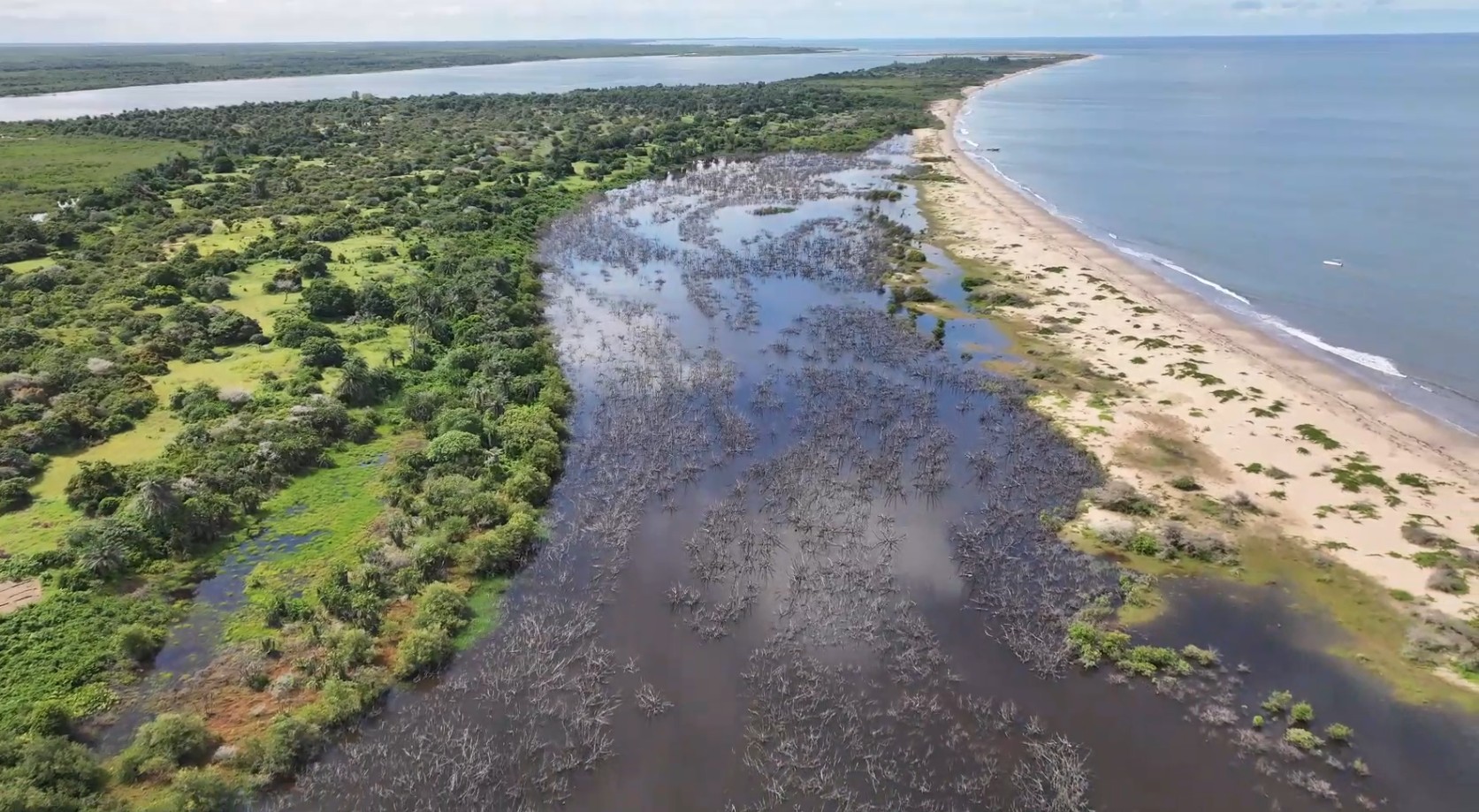
The vigilance of GMW extends beyond human-induced threats. In the Kalone-Bliss Kassa (KBK) Marine Protected Area, the platform detected a different, yet equally significant, cause of mangrove decline. Here, approximately 16 hectares of mangroves were observed to be dying off due to a natural phenomenon: the gradual shifting of a large sand dune. This encroaching dune had effectively acted as a natural dam, severing the vital inflow of water upon which the mangrove forest depended.
This particular instance serves as a stark and critical reminder that even within designated protected areas, mangrove ecosystems remain vulnerable to the dynamic and often unpredictable forces of coastal geomorphology. The shifting coastlines, driven by natural processes, can pose substantial threats to these sensitive habitats. The KBK area is particularly important for a diverse array of avian species, including cormorants and egrets, whose habitats are directly impacted by this mangrove loss. Consequently, an in-depth impact study is currently being undertaken to meticulously assess the potential outcomes of any proposed interventions, ensuring that conservation strategies are both effective and environmentally sound.
Niamone-Kalounayes: Unraveling the Causes of Deforestation
A third alert, signaling mangrove loss, was issued in the Niamone-Kalounayes MPA. Satellite imagery clearly indicated that mangrove stands had been felled in this area. However, the precise reasons behind these cuttings remain undetermined, leaving the legality of these actions ambiguous. Local observations and deductions suggest potential motivations could include the harvesting of mangrove wood for fencing vegetable gardens, a common practice in some agricultural communities, or for the transformation of the wood into various products.
Crucially, the alerts generated by Global Mangrove Watch have spurred increased vigilance. The MPA is now conducting more frequent and targeted patrols within the affected area. This enhanced surveillance aims to deter further degradation and to gather more concrete evidence regarding the motivations behind the mangrove cutting, which will inform future enforcement and community engagement strategies.
The Future of Casamance Mangroves: A Synthesis of Technology and Collaboration
The synergy between advanced satellite monitoring technology, robust community engagement, and collaborative partnerships with government agencies is proving to be a powerful force in safeguarding the vital mangrove ecosystems of the Casamance region. The continuous monitoring provided by platforms like Global Mangrove Watch ensures that conservation efforts are not reactive but proactive, allowing for timely interventions before degradation escalates to irreversible levels.
The journey from a digital alert on a satellite feed to the tangible recovery of a thriving mangrove forest is undoubtedly a long and complex one. However, in places like Séleki, the initial steps toward ecological healing have already been taken. These successes offer a beacon of hope to the communities whose lives and livelihoods are intrinsically linked to the health and resilience of these indispensable mangrove ecosystems. By embracing innovative technological solutions and fostering strong local partnerships, the future of the Casamance mangroves, and the communities they sustain, appears increasingly secure. The integration of GMW into the daily operations of MPA management signifies a paradigm shift in conservation, moving from broad oversight to precise, data-driven action. This approach promises to be instrumental in not only preserving existing mangrove forests but also in guiding successful restoration projects, ensuring the long-term ecological and economic benefits for generations to come.
