
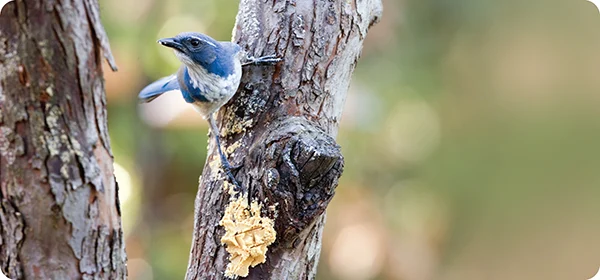
The Thanksgiving holiday, a time traditionally marked by elaborate meals and shared gatherings, offers a unique opportunity to extend the spirit of generosity to the avian inhabitants of our backyards. This practice, rooted in a desire to connect with nature and acknowledge the bounty of the season, has gained traction among bird enthusiasts who seek to include their feathered companions in the festive atmosphere. The concept, championed by organizations like Wild Birds Unlimited (WBU), encourages the provision of high-quality food and clean environments for birds, mirroring the care and attention given to human guests during holiday feasts.
The Philosophy of Avian Hospitality
At its core, the idea of "feasting with feathered friends" redefines the traditional understanding of a feast. While a human feast is characterized by an elaborate meal, often accompanied by entertainment and marking a special occasion, the avian version translates these elements into a bird-friendly context. For many, Thanksgiving involves meticulously prepared tables laden with seasonal delicacies, shared with loved ones. The accompanying entertainment might range from board games and hikes to watching sporting events. The WBU initiative suggests that observing and interacting with birds at backyard feeders can be a cherished form of family entertainment, and by extension, a natural extension of the holiday’s communal spirit.
This perspective encourages homeowners to view their bird feeders not just as passive dispensers of food, but as active dining venues for wildlife. The "impeccable table" for birds, therefore, translates to meticulously cleaned feeders, consistently fresh water, and a diverse and nutritious selection of food. This approach fosters a deeper appreciation for the role birds play in our ecosystems and offers a tangible way to express gratitude during a season of reflection and giving.
Crafting an Avian Menu
The WBU’s recommendations for an avian feast focus on providing a varied and appealing diet. The foundational offerings typically include high-quality seed blends, suet, and Nyjer® seed. These staples cater to a broad range of bird species, providing essential nutrients and energy. To elevate the dining experience, the organization suggests incorporating supplemental foods such as peanuts, Bark Butter® products, and specialty seed blends like their Winter SuperBlend®.
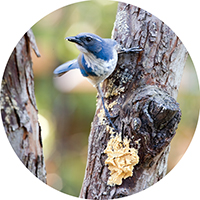
Peanuts, for instance, are a high-energy food source that appeals to a variety of birds, including woodpeckers, jays, and chickadees. Suet, a fat-rich food, is particularly beneficial during colder months when natural food sources become scarce, attracting birds like nuthatches, titmice, and downy woodpeckers. Nyjer® seed, with its small size and high oil content, is a favorite of finches, such as American Goldfinches and House Finches, drawing them to feeders specifically designed for this tiny seed.
Specialty blends, such as the Winter SuperBlend®, are often formulated to provide a comprehensive nutritional profile, including a mix of seeds, nuts, and sometimes dried fruits or mealworms. These blends are designed to attract a wider array of species and to provide sustained energy, crucial for birds facing the challenges of winter. Bark Butter® products, a proprietary WBU offering, are a versatile food that can be smeared on tree trunks or offered in feeders, attracting a variety of insectivorous and nectar-feeding birds.
Beyond the Seeds: The Coffee Connection
An often-overlooked aspect of the "feasting with feathered friends" philosophy is the connection to sustainable practices, exemplified by the recommendation to enjoy shade-grown, bird-friendly coffee. This suggestion is not merely about a beverage choice; it highlights a crucial link between agricultural practices and migratory bird conservation.
Shade-grown coffee farms, which maintain a forest canopy, provide vital habitat for numerous species of North American migratory songbirds during their wintering months in tropical regions. Unlike sun-grown coffee plantations, which clear-cut forests, shade-grown farms preserve the complex ecosystem that these birds rely on for food, shelter, and breeding grounds. By choosing shade-grown coffee, consumers directly support these conservation efforts, ensuring the survival of species that grace our backyards during warmer months. This conscious consumption transforms a simple personal indulgence into an act of environmental stewardship, further enriching the concept of feasting with feathered friends.
The data on the importance of shade-grown coffee for migratory birds is significant. Studies have shown that these farms can support a diversity of bird species comparable to intact forests. For instance, the Smithsonian Migratory Bird Center has extensively documented the benefits of shade-grown coffee farms, identifying them as critical stopover and wintering sites for many Neotropical migrants. Approximately 42 species of North American migratory songbirds winter in the tropics, and their survival is intrinsically linked to the preservation of these diverse habitats.

The Broader Impact: Conservation and Connection
The initiative to include birds in our holiday celebrations extends beyond mere feeding. It fosters a deeper connection with the natural world and encourages engagement in conservation efforts. By providing for birds, individuals become more attuned to their needs and the environmental factors that affect them. This heightened awareness can lead to greater participation in citizen science projects, advocacy for habitat preservation, and a more profound understanding of ecological interdependence.
Organizations like Wild Birds Unlimited play a crucial role in disseminating this information and providing the resources necessary for people to implement these practices. Their retail stores offer not only a wide array of bird feeding products but also expert advice on selecting the right foods and feeders for local bird populations. Furthermore, WBU actively promotes educational initiatives, including their "Nature Centered" podcast, which features discussions on bird feeding, conservation, and the joys of backyard birdwatching.
The podcast episode "Feasting with Feathered Friends" specifically aims to enhance the bird-watching experience by offering insights into attracting a wider variety of birds. This educational component is vital in demystifying bird feeding and empowering individuals to become more effective stewards of their local environments. The goal is to transform backyard feeders into vibrant hubs of avian activity, providing both enjoyment for humans and essential sustenance for birds.
A Timeline of Giving Back
While the concept of "feasting with feathered friends" is particularly resonant around Thanksgiving, its principles can be applied year-round. The practice encourages a continuous commitment to supporting bird populations.
- Early Autumn: As temperatures begin to cool, natural food sources start to diminish. This is an opportune time to introduce richer foods like suet and high-energy seed blends. Cleaning feeders becomes even more critical as birds rely on them more heavily.
- Late Autumn (Thanksgiving Season): This period marks the peak of the "feasting" concept. Special blends and treats are particularly encouraged. The emphasis is on providing an abundant and varied menu to support birds through the coming winter.
- Winter: Bird feeders become a critical lifeline during colder months. Consistent replenishment of food and ensuring feeders are accessible and safe from predators are paramount. Water sources, especially heated bird baths, are also essential.
- Spring: As birds prepare for nesting and migration, their nutritional needs change. Offering protein-rich foods, such as mealworms and high-quality seed blends, supports breeding success and migratory journeys.
- Summer: While natural food sources are abundant, feeders can still supplement diets and attract a wider array of species. Providing water remains crucial during hot weather.
This cyclical approach to bird feeding underscores that "feasting" is not a one-time event but an ongoing commitment to supporting avian well-being throughout the year.
Supporting Data and Scientific Insights
The effectiveness of providing supplemental food for birds has been substantiated by numerous studies. Research published in journals like The Auk: Ornithological Advances and Ecology has demonstrated that backyard bird feeding can have a significant impact on bird survival rates, particularly during harsh weather conditions and periods of food scarcity.
For instance, studies have shown that certain species, like the American Goldfinch, exhibit higher winter survival rates in areas with consistent backyard feeding. The availability of high-calorie foods like suet and nuts can be particularly critical for small passerine birds, which have high metabolic rates and are susceptible to starvation during cold snaps.
Furthermore, the practice of bird feeding has also contributed to a greater understanding of bird migration patterns and population dynamics. Citizen science initiatives, often facilitated by organizations like WBU, allow researchers to collect valuable data on bird species distribution, abundance, and health, contributing to broader conservation efforts.
The economic implications of bird feeding are also noteworthy. The backyard bird feeding industry is a multi-billion dollar sector, supporting numerous businesses and creating jobs. Beyond the economic aspect, however, lies the significant ecological benefit of supporting avian populations, which play vital roles in pest control, seed dispersal, and pollination.
Official Responses and Community Engagement
The "Feasting with Feathered Friends" initiative has garnered positive reactions from bird conservationists and enthusiasts alike. The Cornell Lab of Ornithology, a leading institution in bird research and education, offers practical advice and resources for backyard birders, aligning with the philosophy of providing for birds. Their "7 Simple Actions to Help Birds" resource, for example, includes recommendations such as providing food and water, and making windows bird-safe, all of which complement the WBU’s approach.

The Wild Birds Unlimited franchise system, with its extensive network of stores across North America, serves as a hub for community engagement and education. Franchise owners often host workshops and events, sharing their expertise and fostering a sense of shared responsibility for local bird populations. This grassroots approach is crucial in translating scientific understanding into tangible conservation actions at the local level.
Analysis of Implications
The "Feasting with Feathered Friends" movement represents more than just a seasonal activity; it embodies a shift in human-nature interaction. By extending the concept of hospitality to wildlife, individuals develop a more profound connection with their local ecosystems. This enhanced connection can have several positive implications:
- Increased Environmental Awareness: Regular observation of birds and their feeding habits can make individuals more aware of environmental changes, such as habitat loss, pollution, and climate change, and their impact on wildlife.
- Promoting Biodiversity: By providing diverse food sources and habitats, backyard bird feeding can support local biodiversity, attracting a wider range of species and contributing to their survival.
- Educational Opportunities: The practice offers a readily accessible platform for educating children and adults about ornithology, ecology, and conservation.
- Mental Well-being: Engaging with nature, even through backyard bird feeding, has been linked to reduced stress and improved mental well-being. The simple act of watching birds can be a calming and enriching experience.
- Contribution to Conservation Science: As mentioned, citizen science participation, often initiated through backyard bird feeding, provides invaluable data for scientific research and conservation planning.
The sustainability aspect, highlighted by the coffee recommendation, further underscores the interconnectedness of human activities and the environment. It suggests that even seemingly small choices can have a ripple effect, contributing to broader conservation goals.
In conclusion, the concept of "Feasting with Our Feathered Friends" serves as a compelling invitation to broaden our understanding of gratitude and generosity during the holiday season. It transforms backyard bird feeding into a meaningful act of ecological stewardship, fostering a deeper connection with nature and contributing to the well-being of avian populations. By offering quality food, clean environments, and mindful consumption choices, we can indeed share the bounty of the season with our feathered neighbors, enriching both their lives and our own.
